BOOK REVIEW: SEVERED RELATIONS BY REBECCA FORSTER – A REVIEW BY VERONICA JORGE
November 22, 2018 by Veronica Jorge in category Book Reviews by Veronica Jorge, Write From the Heart by Veronica Jorge tagged as book review, Rebecca Forster, Severed Relations, Veronica Jorge, Write from the heartSevered Relations (The Finn O’Brien Thriller Series Book 1) by Rebecca Forster
Create Space 2016 ISBN 9781533275516
It’s Thanksgiving. You know what to do: eat, get stuffed like the Turkey, zone out. If you want  to get the adrenaline pumping and the juices flowing again, yours not the birds’, our own Rebecca Forster has the tryptophan antidote: Severed Relations, Book 1 of her Finn O’Brien Thriller Series.
Every day is great, until it’s not. And one often boasts of their nice neighbors and safe neighborhood…until something happens.
The Barnetts, a well-to-do family on upscale Fremont Place are living the dream: great house, successful husband, stay-at-home mom, two lovely daughters, and a live-in nanny. One happy family of five.
Enter Detective Finn O’Brien to investigate the triple murder that turns their dream into a nightmare. As one of the characters in the story says, “this falls on the far of side of hell.”
Ostracized by his fellow officers for violating the blue code when he killed one of their own: a bad cop, Finn is forced to track down the killer, or killers, on his own. And he can’t count on back-up if things get rough.
Detective Cori Anderson, with ‘feelings’ of her own toward Finn, agrees to partner with him on the case. Together, they attempt to unravel the hideous mystery. Nothing stolen. No apparent enemies. Unlikely targets. It wasn’t the butler, they don’t even have one.
In Severed Relations, Rebecca Forster leads us on a page-turning, suspense-filled, unnerving journey into the h eart of darkness that reflects real life. Feelings can sometimes blind and mislead you, and events and people are not always what they seem.
See you next time on December 22nd.


0 0 Read more
FIND YOURSELF…IN THE PAST BY VERONICA JORGE
August 22, 2018 by Veronica Jorge in category Book Reviews by Veronica Jorge, Write From the Heart by Veronica Jorge tagged as book review, The Reluctant Groom and Other Historical Stories By Faith L. Justice, Veronica Jorge, Write from the heart
If you’ve ever thought of history as boring, you don’t know what you’re missing!
The Reluctant Groom and Other Historical Stories by Faith L. Justice s a collection of four intriguing tales that will move you to tears, renew your faith in true love, inspire bravery in you, and make you think twice about parting with an old antique.
The Reluctant Groom, the first story, portrays a sad, lonely and confirmed bachelor brought back to life by the power of love.
The Bitter Winter reminds us of the heart-breaking events that force peoples to migrate; the sacrifices they make for their families, and the risks they take to ensure their future.
In the third story, The Jar, Justice draws attention to the varied and important roles that women have played since the dawn of time, yet are often relegated to a footnote in history.
The final story in the collection, The Angel of the Marshes, highlights the contributions that children have made, frequently shouldering responsibilities like adults and demonstrating creativity and bravery.
The Reluctant Groom and Other Historical Stories will transform you in to a historical fiction reader, and a Faith L. Justice fan.
Take the plunge and find your own self in the past!
See you next time on September 22nd.


2 0 Read more
WRITE LIKE YOU COOK BY VERONICA JORGE
July 22, 2018 by Veronica Jorge in category Write From the Heart by Veronica Jorge tagged as Cook, Veronica Jorge, Write, Write from the heart
Stir the pot; in this case the plot, and you’ll see how alike writing and cooking can be.
Whether you’re writing a novella, (fast food), a novel, (a five-course dinner), or a short story, (preparing a snack), the success of your preparation depends upon mastering the tools of the trade.
Need to perfect a paragraph? Slice and dice to shorten sentences and speed the action.
Introduce suspense? Use a rolling boil.
Brown and simmer to smooth and lengthen a passage and to bring your reader’s heart rate back in rhythm.
Determine your pacing by flash-freezing, nuking in a microwave, or constantly stirring with a long wooden spoon.
Remember that your protagonist has to suffer, so turn up the heat and roast them or slow cook them.
Dealing with your villain offers the most options. Fry them, stew them in their own juice, lay them out with a rolling-pin, grill them or mash them. Alternately, you can prolong their just desserts in an all-day crock pot.
Bake or fricassee, it’s your choice. Just make sure you serve up a delectable morsel each time that will keep your guests coming back for more.
So next time you sit down to write, think about what your readers like and ask, “Can I take your order?”

See you next time on August 22nd.
2 0 Read moreSay What You Mean by Veronica Jorge
October 22, 2017 by Veronica Jorge in category Write From the Heart by Veronica Jorge tagged as comprehension, language meaning, say what you mean, Veronica Jorge, Write from the heart We’ve all heard the saying, “Say what you mean and mean what you say,” but how do you effectively achieve that?
Did you ever relate a hysterical event….that no one got? And you had to end with the lame, “Well, you had to be there.”
Or tell a joke and no one laughed? Awkward.
Yet a comedic master has you laughing before they even reach the punch line. You enjoy it so much that you repeat it over and over again because they made you “get it.” What’s more, they made you feel like it’s your own; like you were there.
At other times you speak clearly; or so you think, but the hearer is offended. You say, “That’s not what I meant,” and are hard-pressed to explain what you were actually trying to convey. The confusion increases. You only make it worse.
Once the words are out, whether verbal or written, there is no edit or undo.
So what is it about language that makes it comprehensible to some but not to others? And how can you ensure that what you say is what will be understood; that the meaning or emotion you intended is the one received?
In the children’s story, Amelia Bedelia by Peggy Parish, illustrated by Fritz Seibel, plain language turns a household topsy-turvy.
Amelia is hired as a domestic aide. The homeowners leave her a clear list of the chores she should complete while they are out. She follows the written instructions accurately.
“Draw the curtains.” Amelia sketches them perfectly.
“Put out the lights.” She neatly strings the bulbs out on the clothes line.
“Dust the furniture.” She finds the powder puff and chooses a lovely scented dusting powder.
“Dress the chicken.” I think you can guess what she does with that one.
All the while, Amelia marvels at her employer’s strange ways.

Humorous to be sure, but it addresses the need for a higher standard of writing that preserves the integrity of language where words convey what they mean.
In his 1946 essay, Politics and the English Language, George Orwell wrote, “Language becomes inaccurate because our thoughts are foolish, but the slovenliness of our language makes it easier for us to have foolish thoughts.” Ouch!
He continues, “The writer has a meaning but can’t express it or inadvertently says something else due to a mixture of vagueness and incompetence.” Double ouch!
Orwell exhorts the writer to first get the meaning clear through pictures and sensations. Then choose the word or phrase that best fits the meaning. (Easy for him to say).
But he does help to answer the question of how to say what we mean and he sums it up in one word, “Sincerity.” Language, he explains, is an instrument for expressing thought therefore, he concludes, the great enemy of clear language is insincerity.
[tweetshare tweet=”Say What You Mean by Veronica Jorge” username=”A_SliceofOrange”]
Orwell’s essay was challenging and biting; a bright light that pointed out my short-comings in prose, (both written and spoken). Yet it affirmed my commitment to write from the heart and validated that I am on the right path.
Now I just have to figure out how to pull it all together!
See you next time on November 22nd.

Veronica Jorge
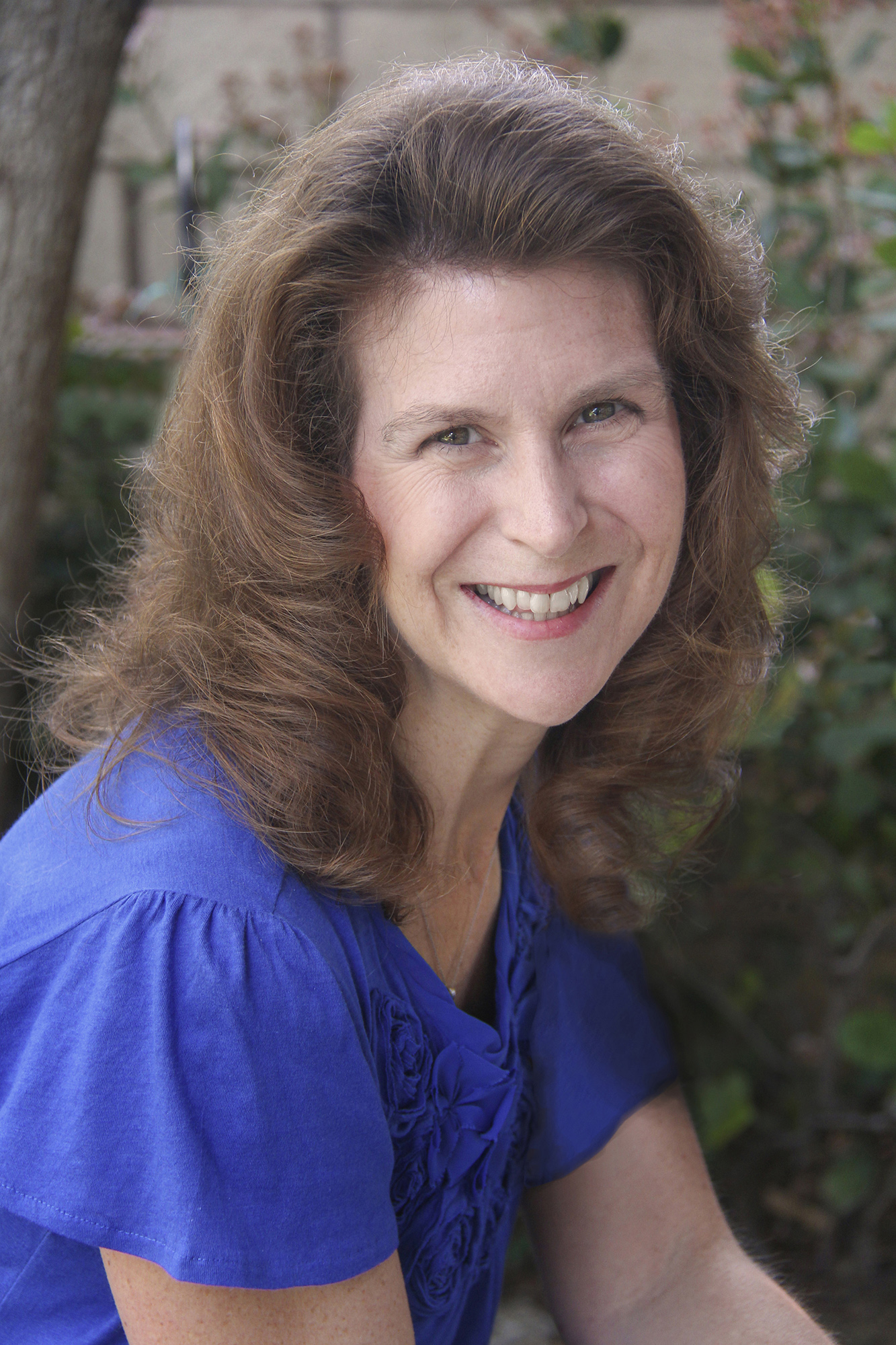
Manager, Educator, and former High School Social Studies teacher, Veronica credits her love of history to the potpourri of cultures that make up her own life and to her upbringing in diverse Brooklyn, New York. Her genres of choice are Historical Fiction where she always makes new discoveries and Children’s Picture Books because there are so many wonderful worlds yet to be imagined and visited. She currently resides in Macungie, PA.
0 0 Read moreFeatured Books






A LADY’S POINT OF VIEW
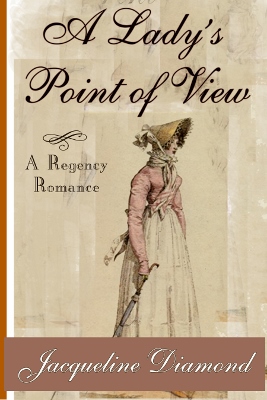
Being nearsighted in Regency London isn’t a crime—but it feels like one to a lady in disgrace.
More info →

RESCUED BY A RANCHER
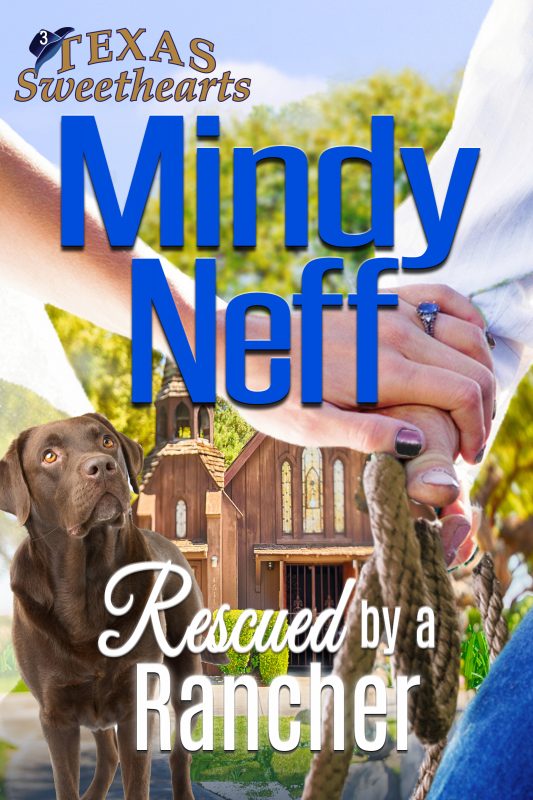
What Happens When A Texas Sweetheart Is Born With A Silver Spoon? She Stirs Up Trouble In Hope Valley!
More info →