Rita Clay Estrada – On RWA
October 7, 2006 by A Slice of Orange in category Archives tagged as Author Interview, Rita Clay Estrada
You think the publishing industry is hard now?
Try 26 years ago. There was no easy way to find reliable information about the craft or editors and agents. Or to find other writers to share your joy, support and knowledge.
It took one hell of a strong lady to change all that. Her name is Rita Clay Estrada. For the complete interview with Rita, look no further than the October issue of Orange Blossom.
But because she had so many fascinating and insightful things to say that we didn’t have room for, every weekend in October we will have interview extras. Today Rita talks about RWA.
Q – What is your favorite part of attending the RWA National conference? Why?
A – The people. The classes. The free-flow of information all around you. The late night chats in hotel rooms and bars. The celebration of our career-life choices. My head spins all the way home – but I also have had my creative cup filled again.
Q – What do you attribute RWA’s success and longevity in the industry to?
A – RWA began as a dream and sharing experience for the benefit of all and not just one group or another. In the beginning it was tough to keep it that way, but our stubbornness willed out.
I honestly believe that the act of sharing with our fellow writers is the one force that gives us staying power AND strength. Strong women are the most awesome creatures on the face of the earth. We celebrate that fact all the time, not only in our writings but in our actions. RWA allows us all to shine and share. Goodness. We’re also our own best audience!
Lastly: we metamorph into anything the publishing world wants or thinks it wants. And if they haven’t thought of it, we’ll supply them with it anyway.
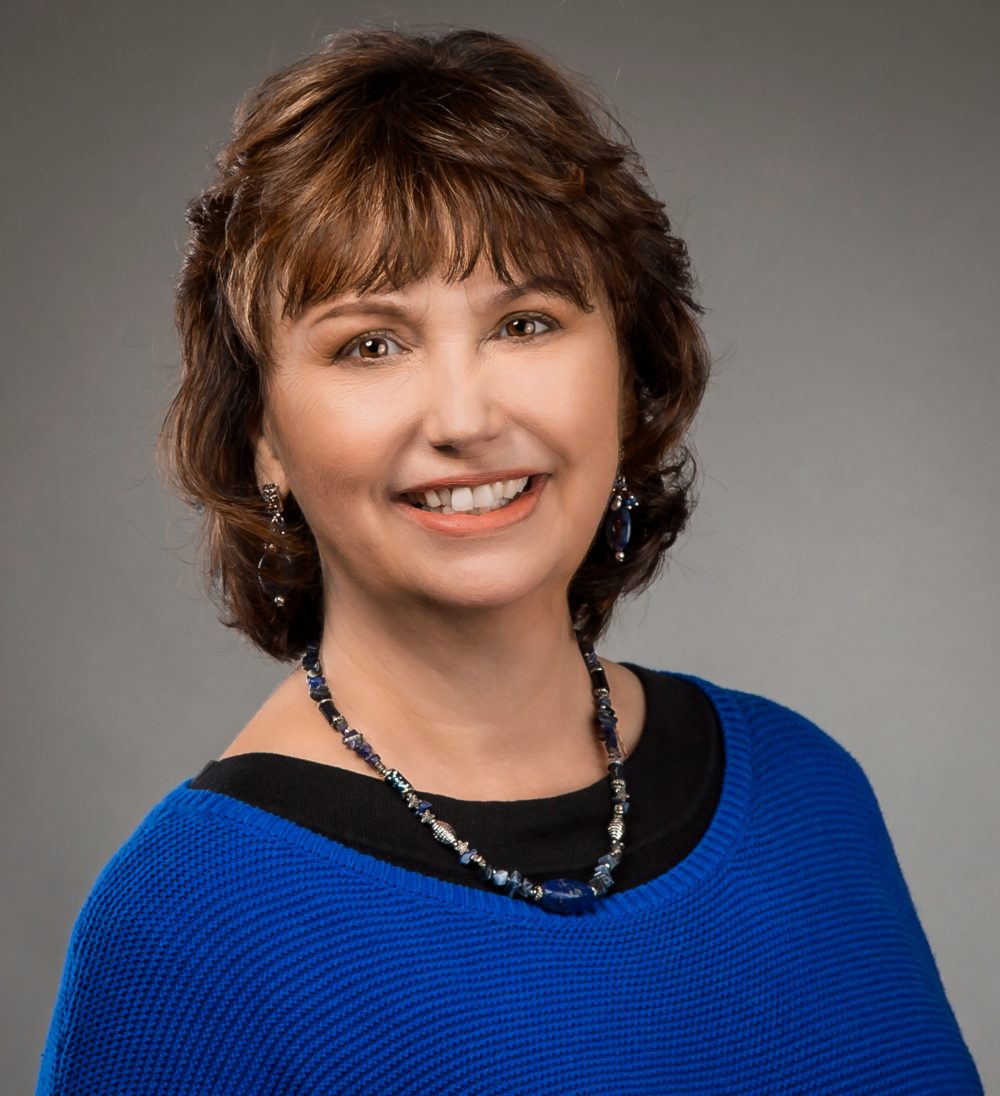
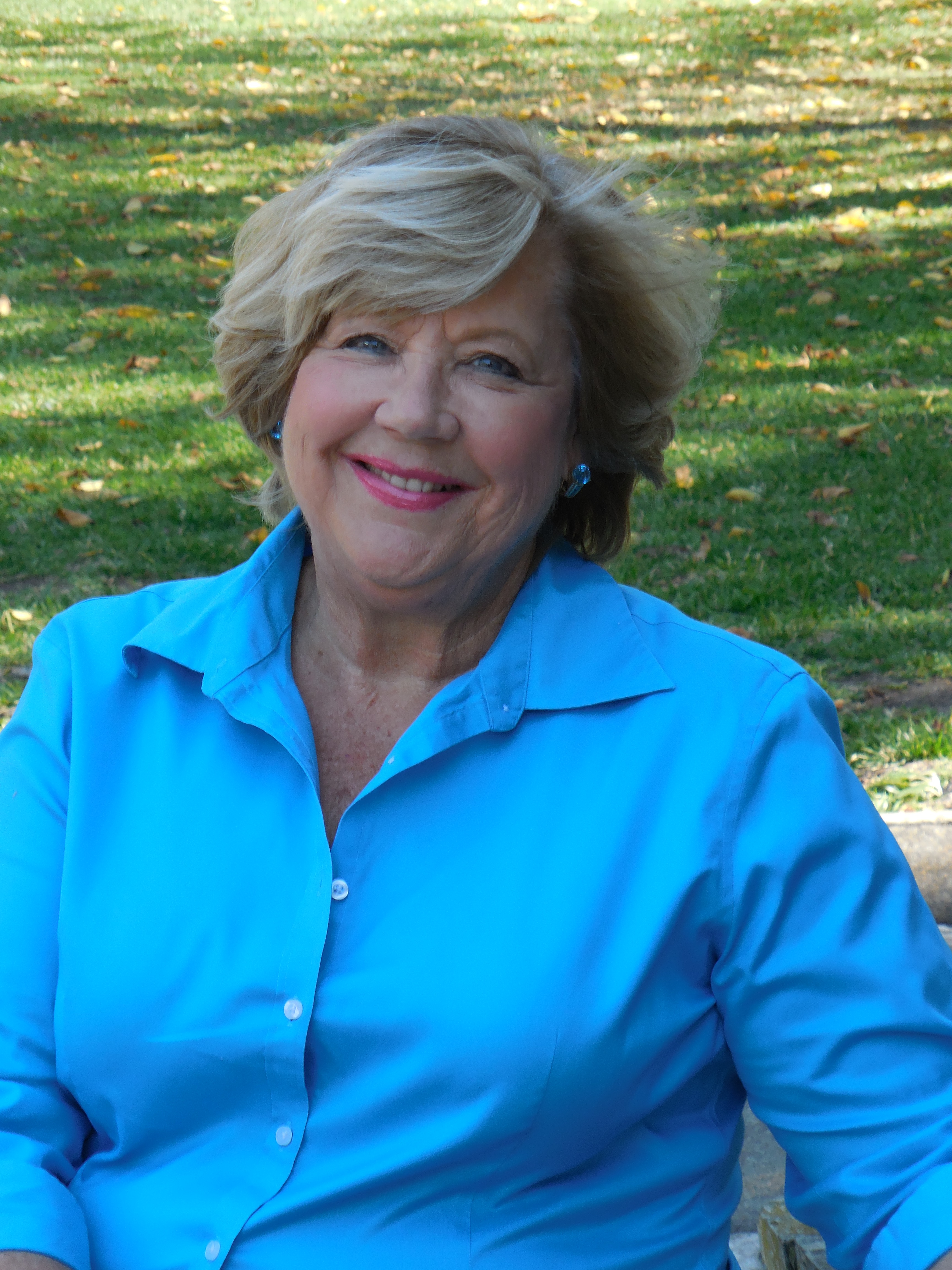
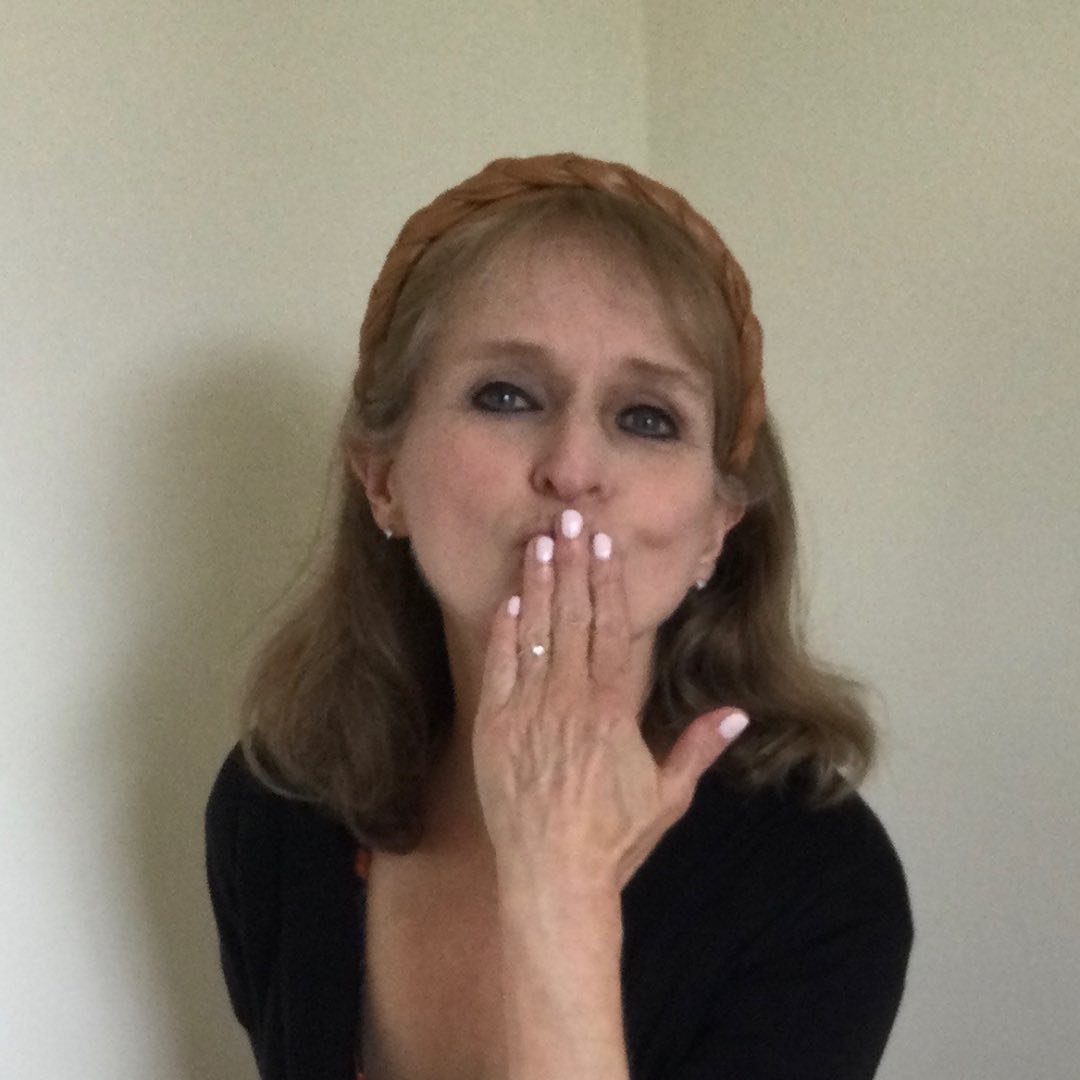
Author RITA CLAY ESTRADA is RWA’s first president and the co-founder of OCC whose contributions to the romance genre led the national organization to name its highest honor – the RITA Award – in her honor. Join us at our 25th Anniversary Party on Oct. 14 for a chance to meet this romance legend.
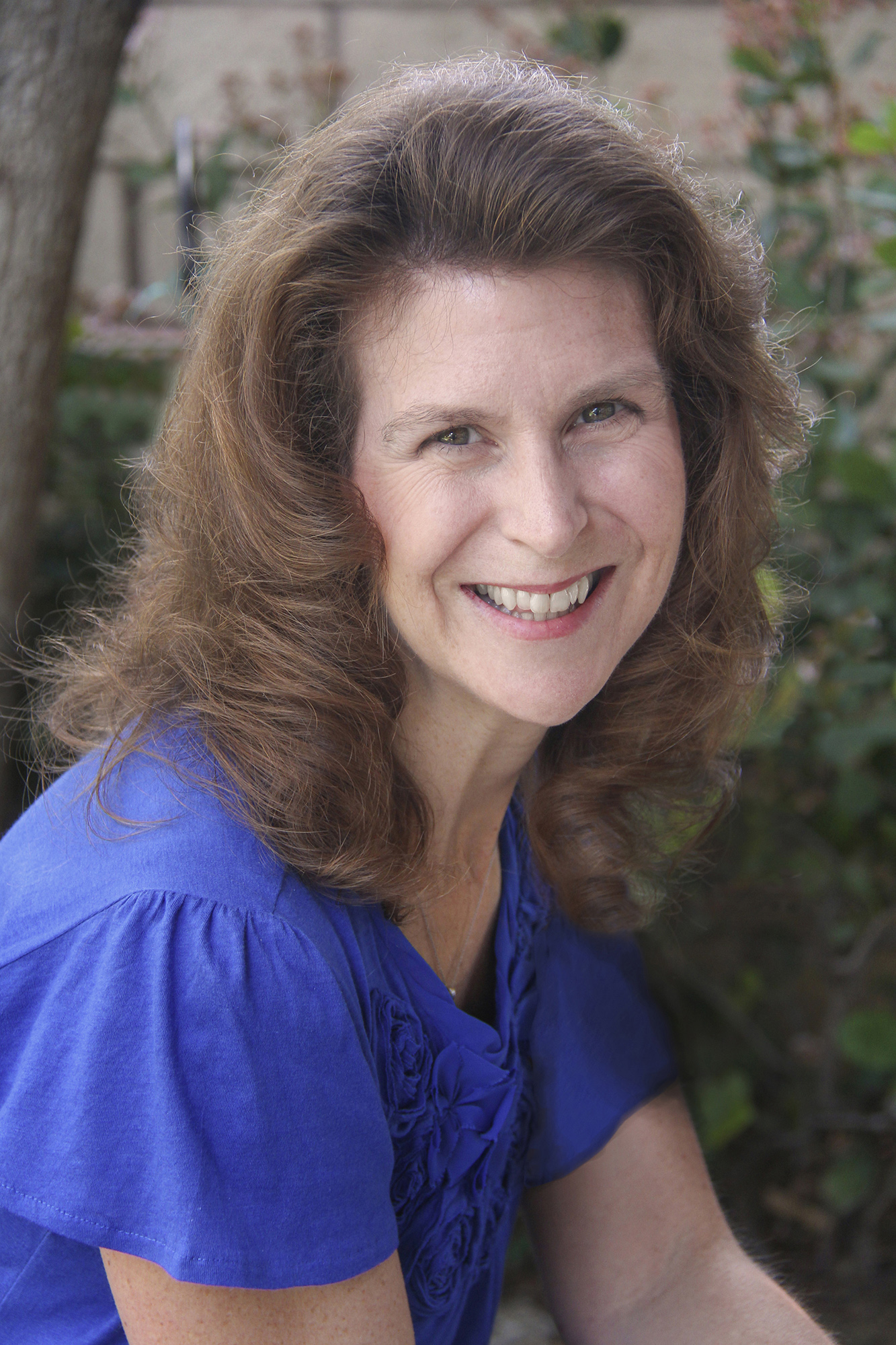
 Dana Diamond is the OCC/RWA Secretary, a columnist for OCC’s award-winning newsletter Orange Blossom, a contributor to A Slice of Orange, and hard at work on her next book.
OCC Photos – Caption This! October 6, 2006
October 6, 2006 by A Slice of Orange in category Archives tagged as OCC Photos
What’s your caption?

Chris Vogler – Legendary Writing Coach
August 2, 2006 by A Slice of Orange in category Archives tagged as Author Interview“You’ve got to pick up Chris Vogler’s The Writer’s Journey!†That’s what I tell any newbie who asks me for writing advice.
So when I found out I could see him at OCC’s Autumn Affaire, I was beyond thrilled. But excited as I was, I wondered what more could I possibly learn that I didn’t already learn in his book? His answers will surprise and fascinate you. You’ve got to go to Autumn Affaire!
Q – A long-time fan of The Writer’s Journey, I’m thrilled to have the chance to attend your workshop. What kind of information will we see in your workshop that we won’t find in your book?
A – These days I am interested in polarities, the way people tend to become polarized in relationships and stories tend to be split between poles of good and evil, young and old, idealistic and cynical, depressed and hopeful, etc. I’ve been working out for myself a theory of how story-telling evolved and what purpose it serves. Since the book was written I’ve continued to develop my thinking about how the story actually impacts the organs of the body, and I’ll be talking about how we can use that knowledge to tell better stories.
Q – That reminds me of something I saw on your website. You say that when you evaluate a story, your criterion is that they have to affect you “in at least two organs of the body.†What two organs? Can you explain?
A – He’s got a brilliant answer to this one, but you’ll have to see it in Orange Blossom. You can receive it by e-mail. Sign up for Orange Blossom today!
Q – When evaluating projects, you seem to rely more heavily on gut reactions than story paradigms and trends you’ve studied. Is that true? Why?
A – Actually, I use it all. An axiom of mine is “Nothing is wasted.†Every single script or project is different, requiring different language and tools. I’m working for Paramount now and I’m using everything I ever learned. One day I’m quoting Robert McKee or Michael Hauge to make a point, the next day I’m using a principle from Aristotle or Shakespeare. I dipped into the history of vaudeville recently and found a whole new set of principles for arranging an evening’s entertainment, an area of knowledge I call “Showmanshipâ€. The Hero’s Journey language is certainly useful, especially when I’m dealing with someone who is already versed in it.
Q – The Hero’s Journey began as a legendary seven-page memo that you wrote for your own amusement while working at Disney in the 80’s. It soon became required reading for young executives in Hollywood. In what capacity were you working at Disney when you wrote that memo?
A – I was a story analyst, reading and reporting on eight to ten scripts a week and occasionally doing story notes and research projects. I was in the process of carving a niche for myself as a consultant by showing interest in certain genres, like comic books, science fiction, historical fiction, horror, and fantasy.
Q – What was the catalyst that made you write it?
A – I had discovered Joseph Campbell’s work in mythology while in film school and had written a paper about it, an essay which I carried with me when I became a story analyst. I showed it to various people, writers, executives, other story analysts, when we got to talking about the principles of story-telling. It was the foundation of the memo. I could see that at Disney, memos were a way of getting into the corporate mind, a way of transmitting ideas and expressing a vision, for a specific project or for the entire industry. I had the feeling that in Campbell’s work I had discovered something very useful for the movie industry, and I needed to go through the formal exercise of correlating Campbell’s stages of the hero’s journey with what I perceived happening in movies. So I wrote the memo and started circulating it around the studio.
Q – Whatever happened to the memo that started it all?
A – It spread all over town by fax and xerox like a virus. It was plagiarized a number of times, once by a young Disney executive who threw away my cover page and put his own name to it. So I knew I had something worth stealing. I added to the original seven-page version eventually, doubling and tripling its length, but there was something magical about the starkness of the earliest version. People place an almost superstitious value on finding a copy of the seven-pager. I don’t know if I even have one.
Q – How did you originally intend for writers to use The Writer’s Journey?
A – I hoped people would use it as a rough guide to structure, a framework against which they could compare their own stories. I never wanted it to be a cookbook or a book of rules, but rather something to inspire people and invite them to think more deeply about the purpose and design of stories. You can use it to outline a story in the early stages of development, or you can use it as a diagnostic tool once the story is written, checking each part to see that it is doing its job.
Q – How do you feel when you see students rigidly adhering to The Writer’s Journey as a “story cookbook�
A – It disappoints me and makes me uncomfortable, that’s how! If you only look at the map, you’ll never see the sights or experience the wonderful lucky mistakes and wrong turns that sometimes lead you to totally new worlds.
Q – Many writer’s keep your book in mind while writing their projects. What is something you keep in mind when you are writing your personal projects?
A – I am always trying to make complex subjects and time periods accessible and interesting to the reader and viewer. I like densely interwoven stories from history and mythology. I am like a traveler who has spent a lot of time in these distant places in my imagination, and now I have to bring some of it back in a form that people can handle and enjoy, without having to spend years there themselves.
Q – You studied film at the USC School of Cinema, ended up at Disney and then went on to write one of the most influential guides on writing for our time. What were your original career plans?
A – I was trained as a journalist at the University of Missouri and had thought I would be some kind of foreign correspondent. I caught the film bug there and it got worse when I joined the Air Force and became a documentary filmmaker for them. While at USC I imagined I would be a screenwriter or director and didn’t anticipate quite the way things have turned out, although I did foresee that Campbell’s ideas were useful and would have a big impact on the industry.
Q – Though your company, Storytech, offers services to writers of all mediums, it seems geared towards helping screen-writers. How are the challenges of guiding screenplays different or similar to guiding novels?
A – It’s no different except that novels can afford to have a different, more sprawling structure than a screenplay. A screenplay has to be like a simple bridge with two or three sets of piers and arches, while a novel can connect the basic elements into almost infinite spans with more levels and offshoots. In scripts a great deal of material that can be easily described in a novel has to be artfully crammed into nothing but the words and pictures, what people are doing and saying. Of course there are special skills in novel-writing – how to describe things, how to handle dialogue, how to end chapters, etc.
Q – What is the best advice you’ve ever received?
A – Joseph Campbell told me “You go with this stuff, young man, it’ll take you a long way.â€
Q – What is the worst?
A – When I applied for a job with a TV producer very early in my career, he told me I needed to go to a bar, get drunk, and get into a fight with some sailors.
Q – Are there any words of inspiration on your computer, in your office or in your mind when you write or guide another writer?
A – On the bulletin board by the computer: “There must be a beginning to any great matter but the continuing on to the end until it is thoroughly finished yields the true glory.†Sir Francis Drake
Q – What do you attribute your success and longevity in the industry to?
A – One thing seems to have served me well and that’s enthusiasm. I really, really like my genres – science fiction, fantasy, children’s lit, myth, etc. – and I let my employers know it. I claim territory and they seem happy to let me work on projects in my areas. Fortunately my genres make good special effects movies and are popular right now so there is a lot of work.
I also have a Germanic strain of thoroughness and I will attack a subject with more detail and depth than most people would bother with.
Q – Have you ever suffered writer’s block? If so, how did/do you get past it?
A – Aggh! Terrible writer’s block. One of the great things to deal with that is Julia Cameron’s idea of “morning pages†from THE ARTIST’S WAY, bless her heart. That got me writing something every day and made it habitual and much, much easier. I also learned from Natalie Goldberg who teaches that it is truly and simply making words flow through your fingers into the pencil or into the keyboard. The other key is having somebody else setting deadlines for me since I can’t do that for myself. A deadline is a great blessing.
Q – What are you dying to try next?
A – I want to write something very personal about the wonderful experience of moving to a farm with my family when I was twelve years old. In another book I want to set down the story of how story-telling came to be and some of the principles I believe in.
Q – Can you give me a statement that defines you or your career or where you are at in your life/career right now?
A – I am still a seeker of meaning and purpose. My major work is trying to understand how stories came to be and how they can be used to heal and transform.
Q – What is the one thing you’ve never been asked, but you wish someone would?
A – How did stories come to be? I could talk your arm off on that one.
For more with Chris Vogler join me at OCC’s Autumn Affaire. I’m hoping to get him to talk our arms off about how stories came to be, but I have a feeling that whatever he discusses will surprise and inspire us.
Dana Diamond is the OCC/RWA Secretary, a columnist for OCC’s award winning newsletter, Orange Blossom, a contributor to The Writers Vibe and hard at work on her next book. For more on Dana and her interview with Chris Vogler, be sure to visit Dana’s blog at: www.danadiamond.blogspot.com
0 0 Read moreMARIA DOLATKHAH: The Wedding Un-Dress
June 30, 2006 by A Slice of Orange in category Going to The Chapel tagged as Contest - Going To The ChapelI breathed a sigh of relief as the pilot announced we were ready for our descent into the Atlanta area. I almost didn’t make it. Just my luck that the most important deposition in my legal career would end up on the same day as my wedding. Opposing counsel droned on and on without regard to my objections. He knew it was my wedding day and still refused to reschedule.
I had raced to the airport after the deposition with a small carry-on suitcase and my wedding dress in a plastic zip-up cover. After waiting in line to go through the metal detectors, they selected me to search and I panicked at the thought of missing my flight. I was landing at three and my wedding was at five.
The lights came on and I stood up to get my dress out of the overhead compartment. As I reached for my dress, a gentleman’s dry cleaned suit on a cheap hanger caught the zipper of my plastic cover. To my horror, my wedding dress tumbled onto the aisle. The owner of the suit apologized and bent down to help me get the dress, when a toddler with a juice box barreled down the aisle, tripped over the gentleman’s foot and splattered my dress with fruit punch. I let out a sound of the most horrific primal nature, and the toddler and I both began crying.
My dress was ruined. A flight attendant tried to use tonic water to get the stain out, but it was no use. In all this commotion over the dress, I was becoming in danger of being late. When I planned the wedding, they were so booked that I not only had to take a Friday but that another wedding was scheduled right after mine. I couldn’t afford to be late.
When I got off the plane, I hurried to the nearest bathroom to check the damage. As I feared, I had no more makeup. The brutal reality in the mirror replaced the $200 illusion so painstakingly applied this morning. With my carry-on in one hand and the stained dress in another, I stood outside the arrival terminal and searched for my brother’s truck. When I saw the old Ford, I realized that he ignored my request to leave his gum smacking spoiled brat of a girlfriend at home. I slid next to her in the cramped cabin.
“What happened to you?” she asked.
“Yeah, you look awful,” my brother said as he almost crashed into the bus in front us.
“Careful!” All I needed now was to get in an accident.
As I explained the sad story, little miss gum smacker giggled and said, “That sucks.” Resisting the urge to stuff the gum down her throat, I asked my brother to step on it. When we finally arrived, my mother was standing on the sidewalk waving her arms frantically.
She gasped when she got a good look at me. “Let’s get you to a dressing room.”
I croaked, “Mom,” and held up the stained dress. I couldn’t even talk. She told me not to panic, that someone must have a white dress and she ran into the chapel. I went back to the dressing room. I could hear mom arguing with the wedding director and the director complaining we were off schedule.
I felt a soft hand on my back. It was my ninety year old grandmother holding a wrapped gift. “This was supposed to be for tonight,” she said and handed me the box with a trembling hand. Inside was a long backless opaque white nightgown. “The dresses you girls wear today look like underwear anyway,” she said. “Try it on.”
I put on the nightgown and fixed my veil. My white satin sandals matched the silk and the gown draped nicely to the floor. My mother walked in rattling off all the people she called looking for a dress. She saw me and stopped. For once she was speechless.
“Not bad,” Grandma said.
Standing at the threshold of the door leading to the chapel, I looked at my guests with tears in their eyes and my fiancé’s adoring gaze. I noticed a tag sticking out from the gown prominently declaring “Victoria’s Secret $49.99.” I ripped off the tag, smoothed the dress over my thighs and took a deep breath. It’s not how I had envisioned going down the aisle, but it was beautiful none the less.
Maria Dolatkhah is a freelance writer, recovering attorney and regular contributor to OCPC Orange County Community Magazine.
5 0 Read moreGAIL KIMBERLY FRANCIS: A Second Wedding
June 29, 2006 by A Slice of Orange in category Archives tagged as Contest - Going To The ChapelI’m not sure if most marriage ceremonies still say “..for better or for worse, in sickness and in health…” but in the 21-year marriage of Cindy and Chang Lee, the meaning of those words was certainly observed. After bearing two children, Cindy had back trouble that didn’t go away and left her unable to get around on her own. Chang, a physician, made sure that when he couldn’t look after Cindy himself, some good caregiver did.
Then the unthinkable happened. Chang got a brain tumor. He went through surgery, radiation and chemotherapy and whatever other treatments could be given him, but after months of trying, everything failed. He was going to die soon.
That’s when he decided how he wanted to leave his family and his life. “I want to repeat our wedding,” he told Cindy, “with all the original bridesmaids and groomsmen and relatives who can attend. I want our two children to see how our marriage started. I want a reminder of how much I love you, and how much you love me. Then I may be able to say goodbye. For now.”
The wishes of those who are dying are like commands to those who love them. Arrangements were hastily made for a marriage ceremony in Maui, the air perfumed by plumeria and the whispering ocean as background music. They would have a luau and dancers and all the natural beauty of the Hawaiian island.
They will be flying over there by the end of June, along with people who care about them and wish them well, both of them in wheelchairs, both still in love, and both preparing to say goodbye.
But perhaps only for now.
Gail Kimberly Francis
1 0 Read moreFeatured Books
BANANAPANTS
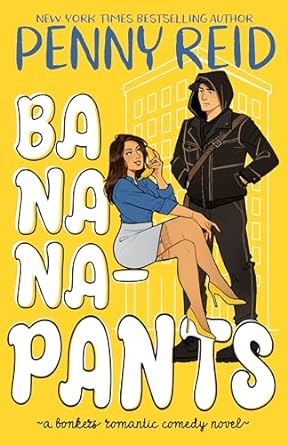
Estranged childhood friends unexpectedly reunite under bizarre circumstances and bicker their way to love in this bonkers romantic comedy.
More info →








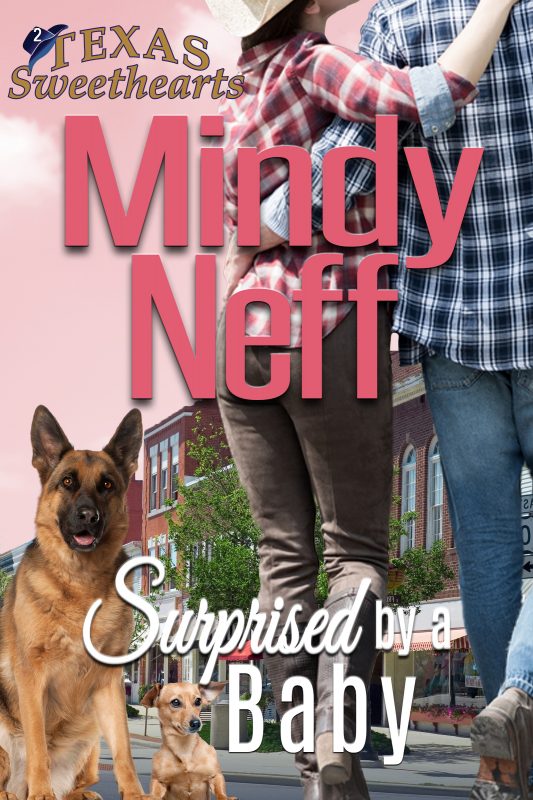
TOVA’S DRAGON
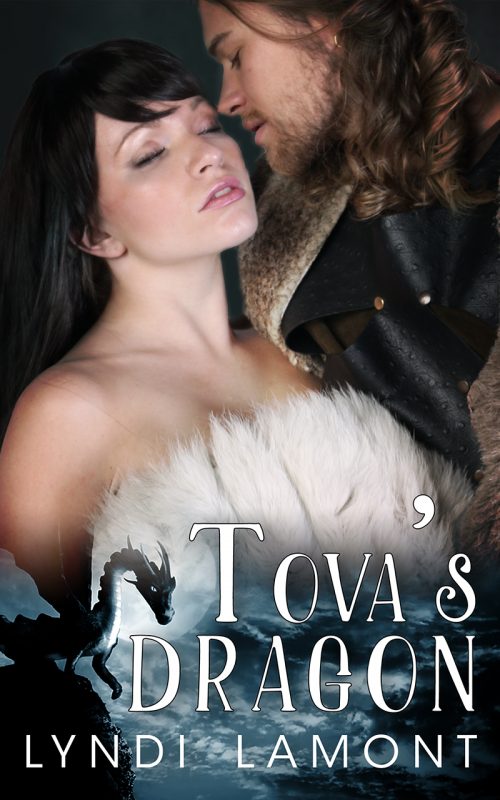
A warrior maid & a hot dragonshifter set out to save the kingdom; together they can prevail, but at what cost?
More info →