
I regularly turn to my writing critique group to share my WIP and gain valuable feedback from fellow writers.

But I also find much value in my monthly book group—and not just because I love to read and then discuss what I’ve read. I marvel at how divergent opinions can be about a book. I’ve wondered at times: Are we talking about the same novel?
Sometimes—actually, rarely—the group coalesces in full delight about a book. More often, some love it, some find it so-so, and some are outright sorry they read beyond the first chapter.
Of course, sites like Goodreads offer ratings and reviews on books for people who don’t have or don’t want to be in a book discussion group. But sitting together with a glass of wine and a plate of snacks is my preferred way of finding out what others think about that new novel or latest work of nonfiction. (My group reads both.)

As a writer, I also see how my take on a book is often at least somewhat different from a nonwriter. I can get caught up in the craft—how do the sentences flow, why did the author use that story structure—and forget that most readers just want a good story. The structural elements are important; they are the solid framework upon which the good story is built. But many readers are willing to give a pass on less-than-perfect structure if they are compelled to keep turning the pages to find out what’s going to happen.
It’s often a reminder to me that as writers we can’t predict what will appeal or connect with readers. One example is Kate Atkinson’s A God in Ruins. While I thoroughly enjoyed the novel—the crisp narrative, the layered characters, the grim depiction of war—I was disappointed in the ending, which I thought was a cheap shot, the equivalent of a story in which the main character wakes up to realize it’s all been a dream. But one member of my group gave an alternative explanation. For her, the ending with its surprise reveal represented the awful price the soldiers paid: that they forfeited their future, of what might have been. I had to agree.
-
Mist hovered over the lake like a shroud. Hope stood at the point, past the flagpole and orange mums ringing its base. Nothing moved on the dark water. Too early for even the trawling fishermen. No one to witness.
-
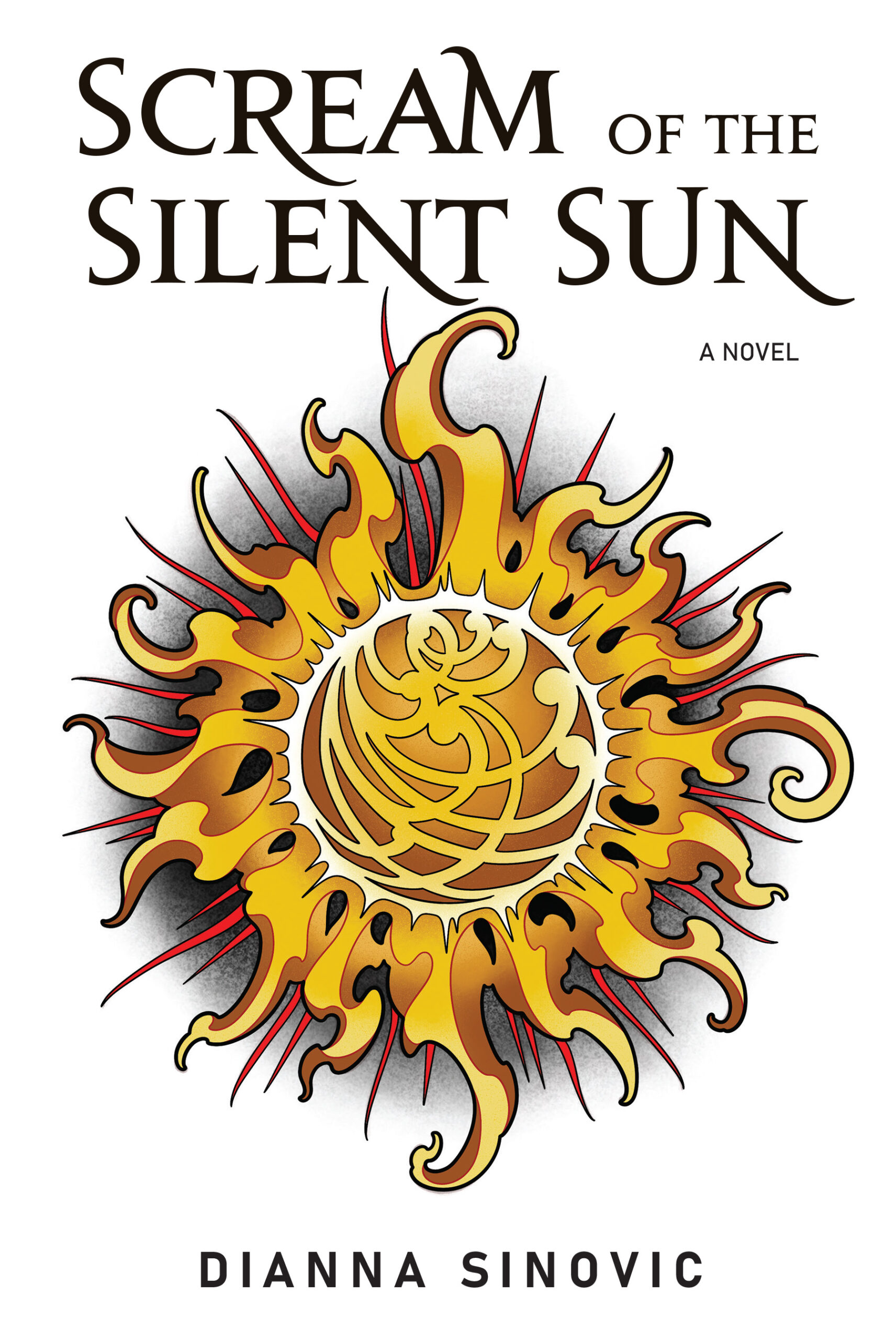
Born and raised in the Midwest, Dianna has also lived in three other quadrants of the U.S. She writes short stories, poetry and novels. Her full-length novel, Scream of the Silent Sun, was a finalist in the 2026 Next Generation Indie Book Awards for first novel.
-
Born and raised in the Midwest, Dianna has also lived in three other quadrants of the U.S. She writes short stories, poetry and novels. Her full-length novel, Scream of the Silent Sun, was a finalist in the 2026 Next Generation Indie Book Awards for first novel.
-
Born and raised in the Midwest, Dianna has also lived in three other quadrants of the U.S. She writes short stories, poetry and novels. Her full-length novel, Scream of the Silent Sun, was a finalist in the 2026 Next Generation Indie Book Awards for first novel.
-
The flames danced in the fire pit, inviting Dulci to relax, but the drift of smoke rising into the night sky only darkened her mood. Cora, who knew her like any best friend should, was trying to help. But some things just hurt too bad.













Discover more from A Slice of Orange
Subscribe to get the latest posts sent to your email.
Featured Books
FAERY SWAP
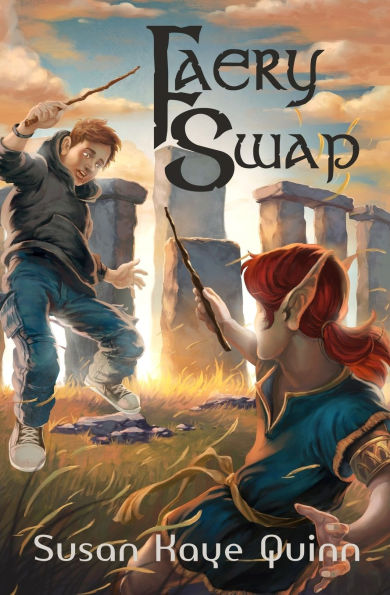
Warrior faery princes can be very stubborn. Especially when they possess your body.
More info →







SEASON’S READINGS: More Sweet, Funny, and Strange Holiday Tales
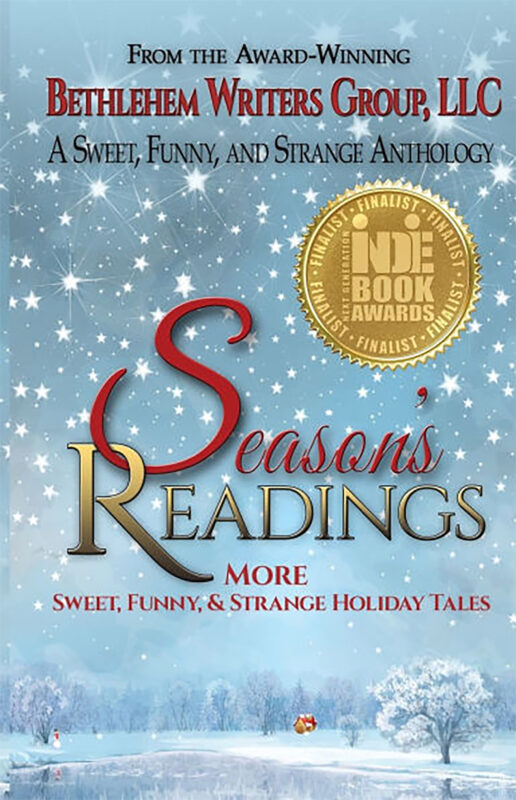
We hope you enjoy these holiday gifts.
More info → 

MCBRIDE’S GEM
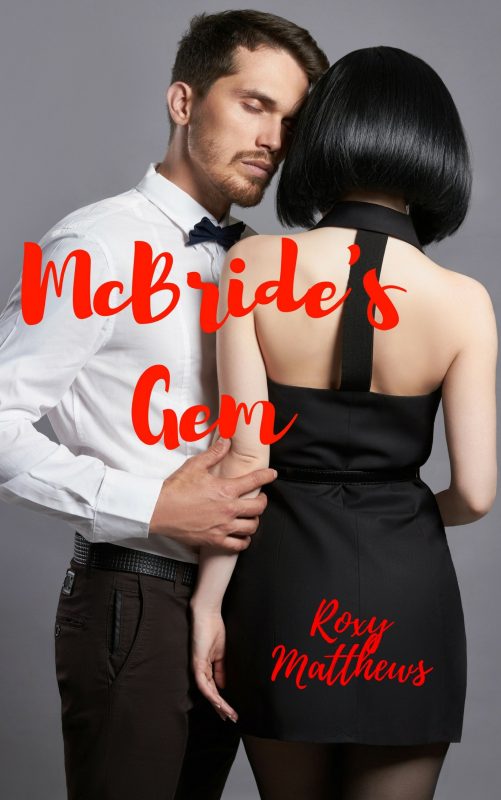
Hawk McBride and Randi Ronin could never have expected their chance encounter would be the beginning of the rest of their lives.
More info →
ROT & RUIN
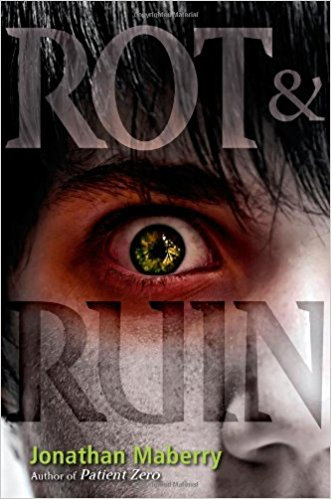
In the zombie-infested, post-apocalyptic America where Benny Imura lives, every teenager must find a job by the time they turn fifteen . . .
More info →





As we often say among poets, once a poem leaves the poet, it becomes the reader’s poem. Each reader brings their own life experience, emotion and perspective to a narrative of any kind. I suppose the novel or story becomes an extension of the reader’s mind in that respect.
Neetu, yes, I agree. We bring what we know to the works we are reading. When a friend/another reader turns that prism slightly for us, we are able to glimpse a different point of view.