Alina K. Field October Featured Author
October 7, 2020 by Alina K. Field in category Featured Author of the Month tagged as Alina K. Field, October Featured Author, Regency Romances
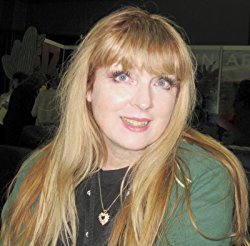
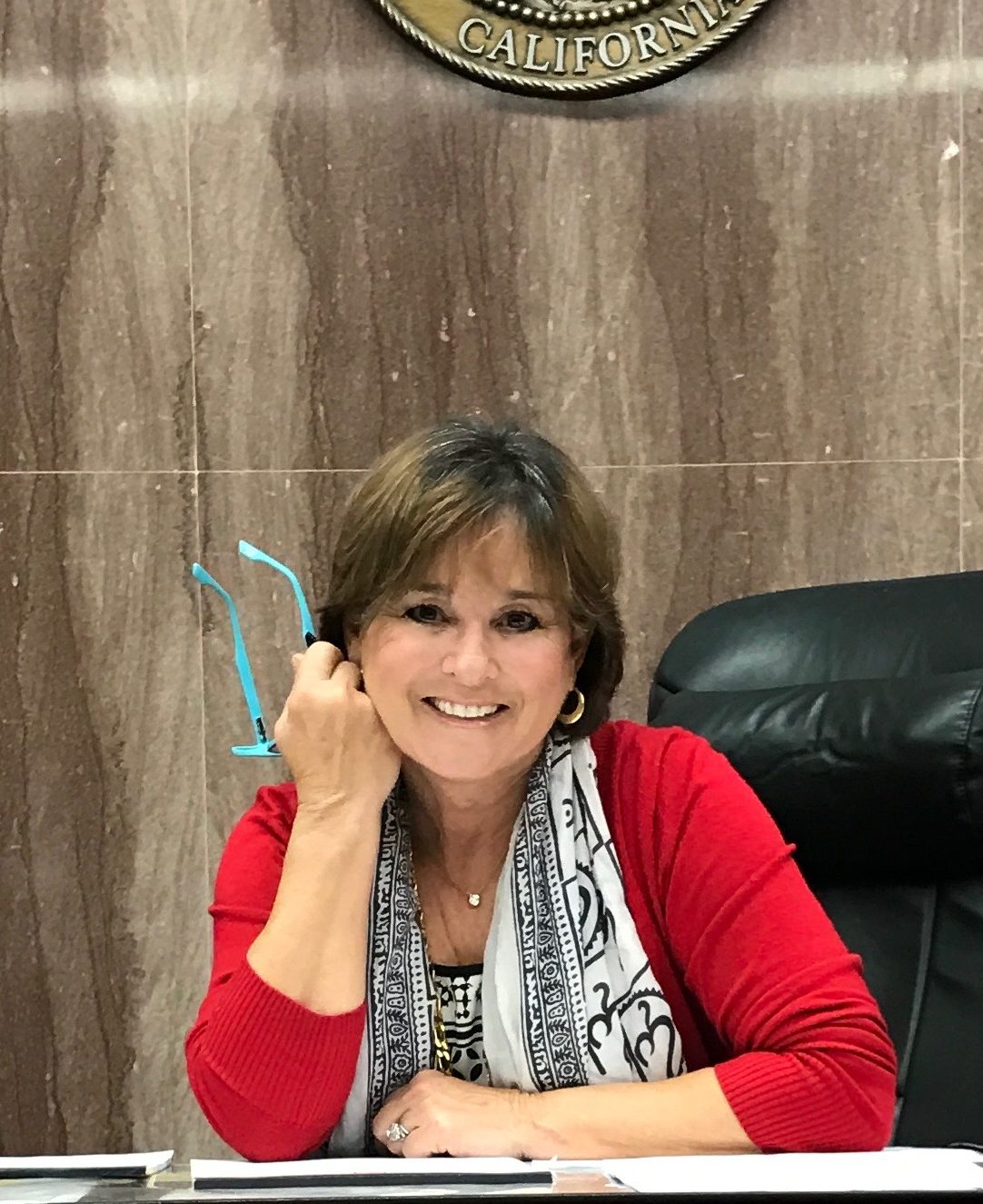
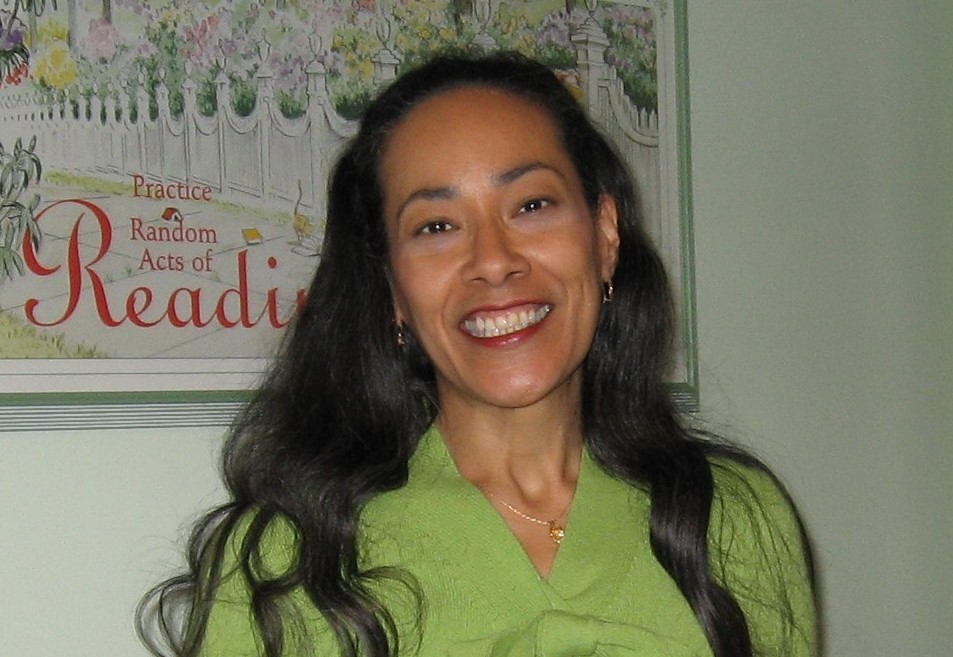
Award winning author Alina K. Field earned a Bachelor of Arts Degree in English and German literature, but her true passion is the much happier world of romance fiction. Though her roots are in the Midwestern U.S., after six very, very, very cold years in Chicago, she moved to Southern California and hasn’t looked back. She shares a midcentury home with her husband, her spunky, blonde, rescued terrier, and the blue-eyed cat who conned his way in for dinner one day and decided the food was too good to leave.
She is the author of several Regency romances, including the 2014 Book Buyer’s Best winner, Rosalyn’s Ring. She is hard at work on her next series of Regency romances, but loves to hear from readers!
Books by Alina K. Field


Alina K. Field October Featured Author
October 1, 2020 by Alina K. Field in category Featured Author of the Month tagged as Alina K. Field, boxed sets, October Featured Author, Regency Romances
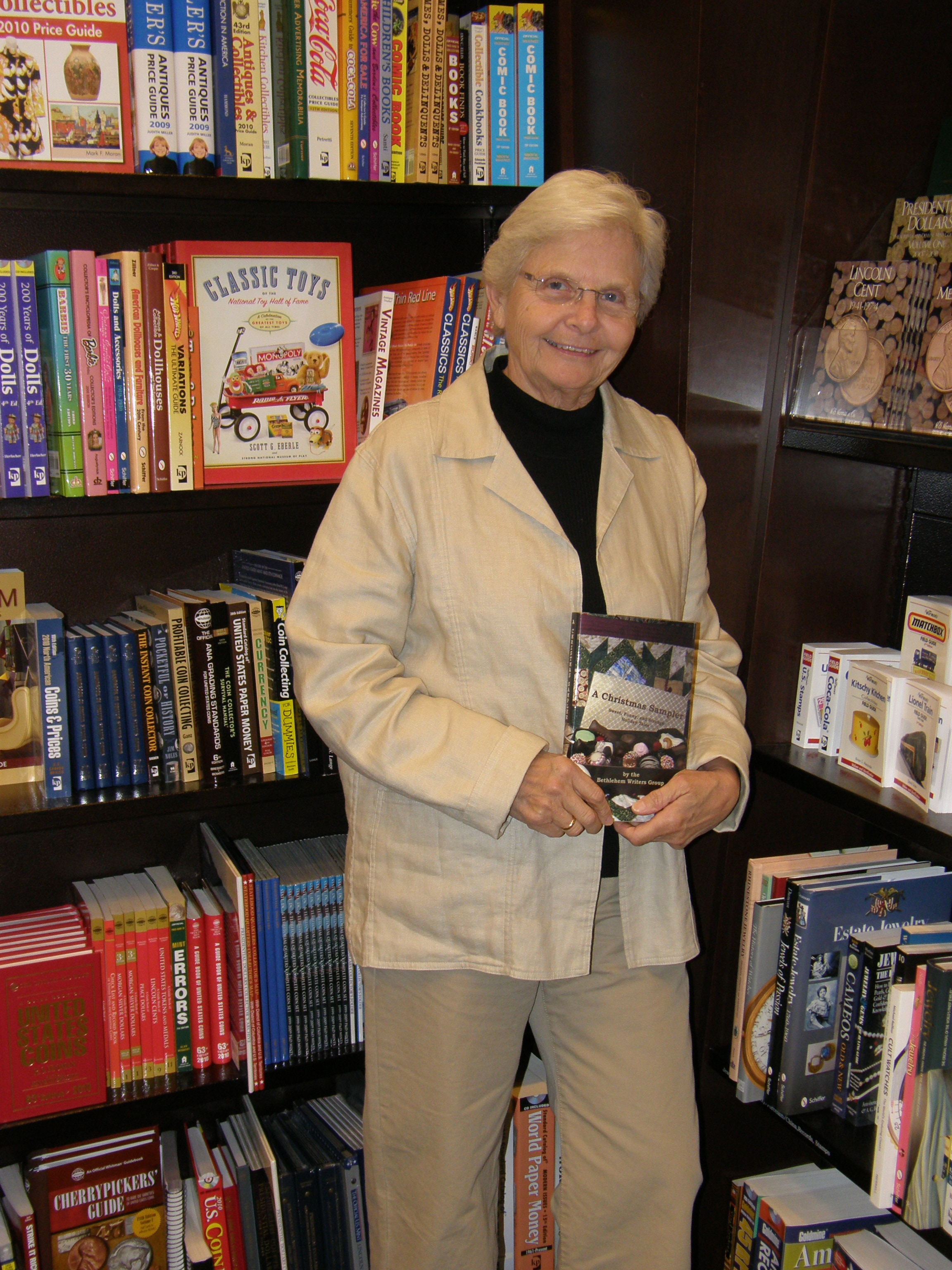
Award winning author Alina K. Field earned a Bachelor of Arts Degree in English and German literature, but her true passion is the much happier world of romance fiction. Though her roots are in the Midwestern U.S., after six very, very, very cold years in Chicago, she moved to Southern California and hasn’t looked back. She shares a midcentury home with her husband, her spunky, blonde, rescued terrier, and the blue-eyed cat who conned his way in for dinner one day and decided the food was too good to leave.
She is the author of several Regency romances, including the 2014 Book Buyer’s Best winner, Rosalyn’s Ring. She is hard at work on her next series of Regency romances, but loves to hear from readers!
Books by Alina K. Field
Happy Fall… Or is it autumn?!
September 28, 2020 by Alina K. Field in category Quarter Days by Alina K. Field, Writing tagged as American English, British English, historical fiction, Spelling and Punctuation, writing craftA Quarter Days’ Post
Greetings! I’m back for my quarterly post about various and sundry things related to writing historical fiction.
In my last post I talked about the delights of playing with words and creating Tom Swifties.
Today I’m talking about the difference between English and English, as in American vs. British.
Is it fall? Or is it autumn? More on that later.

What’s in your tool kit?
Words are the building blocks we writers and speakers use to create story. We start hoarding those blocks early, and the resulting vocabulary says much about our own personal settings—where we grew up, what our social milieu is, what our family is like.
A case in point—my grandkids’ first words. We waited with bated breath for each munchkin’s first spoken vocabulary word. I coached them repeatedly (and unsuccessfully) to say “mama”.
But for both of them the first word was… DOG! (Yes, we do love our dogs.)

Fledgling writers
are taught “write what you know”. I wonder why? It’s a lot more fun to step outside the known world. But it does lead to challenges.
The biggest challenge: You don’t know what you don’t know.
For a 21st century American like me trying to set a story in Georgian England, there are a million opportunities to err.
First there’s the issue of etymology. Was a word used during this story’s time period?
A couple of examples from a Regency first draft I was beta reading for a friend:
- Hooligan: a great word, right? Unfortunately it dates to the 1890s.
- Foyer: Sadly, this dates to 1859.
And a couple from my own first drafts:
- Merry Widow: as my editor pointed out, this phrase references Franz Lehar’s operetta’s English title from 1907. Just a tad later than the Regency!!!
- Shack: Not only is this a later word (1878) but it’s of American or Canadian origin.
Which brings up another potential pitfall for the fledgling Regency Romance author.
American vs. British
Americans and Brits may speak the same language, but we use different words.

I’m fortunate to work often with an editor in England, and so I’ve compiled my own list of Americanisms for my own pre-editing purging.
Some more examples:
This very funny post from a British writer complete with illustrations.
And a list of 60 American English words translated into British English.
Spelling and punctuation are different too.
Once, long ago, while reading one of Georgette Heyer’s books, I wondered why they kept writing “cosy” instead of “cozy”. Why had so many misspellings slipped past the editor?
The British spelling was different enough to make it a jarring read for this ignorant and unaware American who happens to be a good speller. Fortunately, I’m wise to them now.
There are also punctuation differences. Here’s a short post about some of those.
And a long one about spelling differences.
I don’t believe Regency readers will pillory an author over this issue, so I’ve settled on using American spelling and punctuation in my stories.
One might say, in this area at least, I’m writing what I know!
Do you suppose we’ll ever go “one-world” on the spelling and punctuation rules?
Happy fall (and autumn) to everyone, and I’ll be back in December!
Images credits: autumn leaves and dog are from Stencil (I’d happily claim that dog though!); image of words is from Wikimedia Commons.
2 0 Read more
Tom Swifties and the Art of the Dialogue Tag
June 28, 2020 by Alina K. Field in category Quarter Days by Alina K. Field, Writing tagged as Dialogue Tags, Puns, Tom Swifties
One of the rules of contemporary fiction is that all words ending in -ly ought to be found in a Word search and banished.
Another rule is to avoid using substitutes for said: no murmurs, grunts, hisses, etc.
But it wasn’t always this way!
In what I always think of as the Golden Age of pulp fiction, an author might get away with a Tom Swifty. Though I have a degree in English and I’ve been to countless writing conferences, I only just learned this term from one of Anne R. Allen’s blog posts.
So what is a Tom Swifty?
In case you don’t have time to link to the Merriam-Webster article here’s the definition:
“A Tom Swifty is a play on words taking the form of a quotation ascribed to Tom and followed by an adverb.”
Or, as Wikipedia says, it’s
“a phrase in which a quoted sentence is linked by a pun to the manner in which it is attributed.”
Tom Swift

A “punny” guy
First published in 1910, the Tom Swift books spanned multiple series, and were written by Edward Stratemeyer and other authors under the pseudonym Victor Appleton. Stratemeyer was also the creator of the Hardy Boys, Bobbsey Twins, and Nancy Drew books.
I haven’t read Tom Swift, but I grew up with Nancy Drew. Wouldn’t it be wonderful to have as many successful book series as Edward Stratemeyer?
Another famous author of commercial fiction used this sort of “punny” literary device: Charles Dickens. Ah, the good old days when authors could have more fun.
Examples, please…
A whole book has been written on the subject, Tom Swifties, by Paul Pease and Bill McDonough. The few copies available start at $40 on Amazon!
But, the Wikipedia article on the subject has a long list of howlers like these:
- “I love hot dogs,” said Tom with relish.
- “I forgot what I needed at the store,” Tom said listlessly.
- “I have no flowers,” Tom said lackadaisically.
I could see these working in a humorous cozy mystery!
Do you have a favorite Tom Swifty? Share in the comments below!
7 0 Read moreWomen in Banking #WomensHistoryMonth
March 28, 2020 by Alina K. Field in category Quarter Days by Alina K. FieldWelcome to my quarterly blog at A Slice of Orange!
We’re living in interesting times, and I was tempted to write a post about historical plagues and pandemics… But, if you’re like me, you’re heartily sick of hearing about them.
So, since March is Women’s History Month in the U.S., I’m sharing a gem of a book I found about women bankers.

Women Who Made Money: Women Partners in British Private Banks 1752-1906 , by Margaret Dawes and Nesta Selwyn
Regency romance enthusiasts will know the story of Sarah Sophia Fane Child Villiers, Countess of Jersey and one of the patronesses of Almack’s. Sarah inherited a partnership in Child’s Bank, and became an active participant in the bank’s management until her death in 1867. (Her mother, also named Sarah, had been cut out of the will after her scandalous elopement to Gretna Green with the Earl of Westmoreland!)

But, you ask, didn’t the law say that all of a woman’s property became her husband’s upon marriage?
The authors explain how some women, either through the wisdom of enlightened parents or their own power as widows managed this:
The law has always offered loop-holes. Provision could be made in her marriage settlement for a woman to retain the use of her own property . . . It was also possible for a woman’s property to be placed in the hands of trustees before her marriage, so that her husband could have no use of it without her consent.

Marriage settlements were extremely important financial and legal agreements negotiated by wealthy parties prior to marriage. Today, we call those “pre-nups”.
Middle-class Country Bankers
The book includes the stories of Lady Jersey and Harriet Mellon Coutts, an actress who inherited her husband’s interest in Coutts Bank and went on to marry the Duke of St. Albans (and still retain ownership of her wealth). But most of the seventy-six women bankers were solidly middle-class.

Many women established country banks with husbands or sons. Some inherited banks. Many also engaged alone or with husbands in other types of commerce, such as shipping, mining, or manufacturing.
And you won’t find most of these women mentioned in Wikipedia!
If you’re interested in a chronicle of women in business in the eighteenth and nineteenth century, you might enjoy this book.
Wishing you much good health until we meet again in June!
10 0 Read moreFeatured Books






AN ELEMENT OF MYSTERTY: SWEET, FUNNY, AND STRANGE TALES OF INTRIGUE
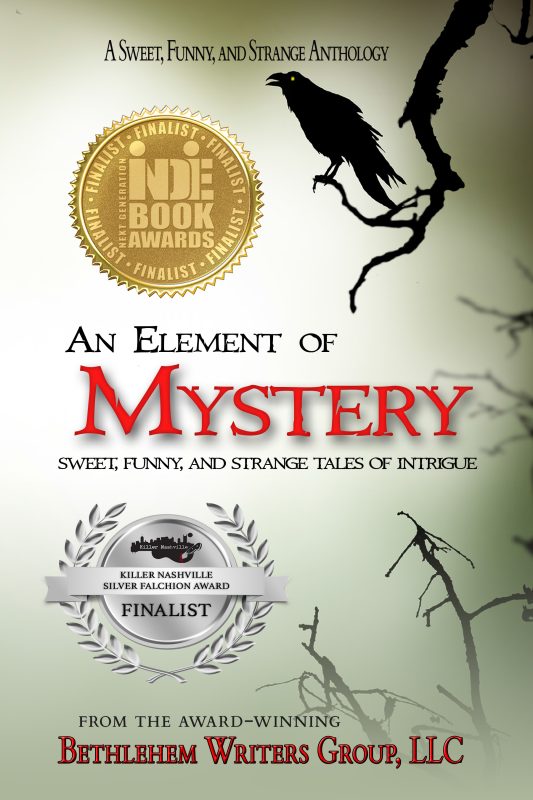
Dare you read our latest Sweet, Funny, and Strange® Anthology?
More info →



THE GOOD GIRL PART ONE
Gabriella Townsend is by all definition a "Good Girl." Her life is about to change.
More info →