Christmas in June…seriously? by Jina Bacarr UPDATED
June 11, 2019 by Jina Bacarr in category Jina’s Book Chat, Writing tagged as Boldwood, Boldwood Books, books, England, London, romance, time travel, women's fiction, writing, WW2
Can’t wait to tell you about my exciting new adventure with this fab publisher!
I’m sitting here at my computer with thoughts of sugar plum fairies dancing in my head…
Hearing jingle bells as I type.
And drinking hot coffee with a cinnamon stick.
No, I’m not lost in the Twilight Zone. I’m traveling back in time to the holiday season during WW 2…
I can’t reveal all…yet.
More as it happens…
Jina
PS I’ll update the page as I get more news.
UPDATE: Tuesday June 18, 2019 is the day the publisher will be making a formal announcement re: their upcoming books!!
I’ll be able to reveal my story then…stay tuned.
2nd UPDATE:***************June 18, 2019 PDT
I’ve been on London Time for days and this is my first chance to update my post…Yes, London. Like in William and Kate, Harry and Megan — because I feel like an American royal! My new publisher is London-based BOLDWOOD Books.
It’s so exciting to be a part of this new adventure.
So hold tight and I’ll give you all the fab details.
————-
Here’s the scoop about Boldwood Books with all their wonderful authors…including me!
Amazing…
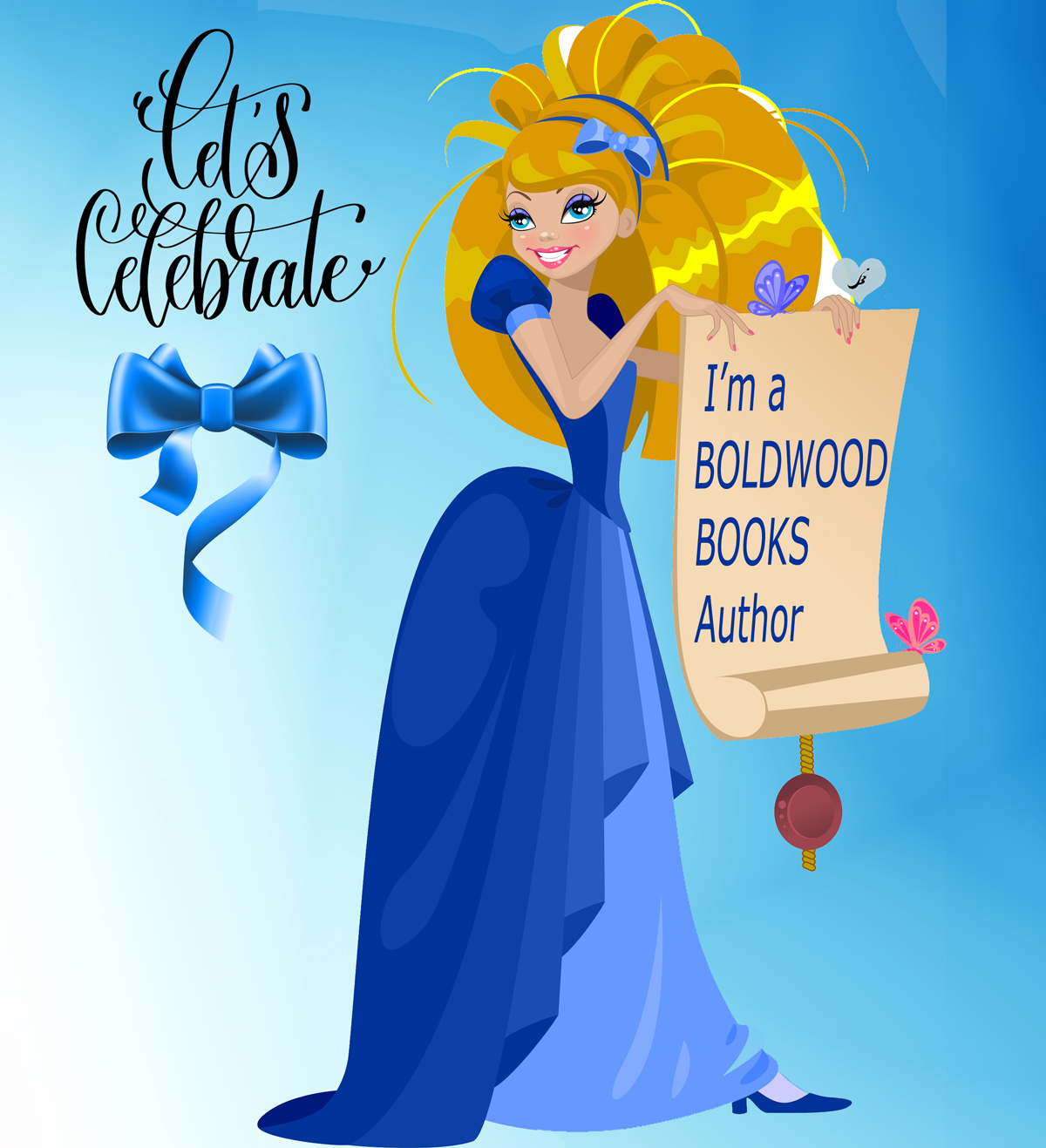
I feel like an American royal!
My first book with Boldwood is a WW 2 Christmas story about love lost and time travel…what if you could go back in time and save the man you love from being killed on a secret mission in France?
My heroine, Kate Arden, gets that chance.’
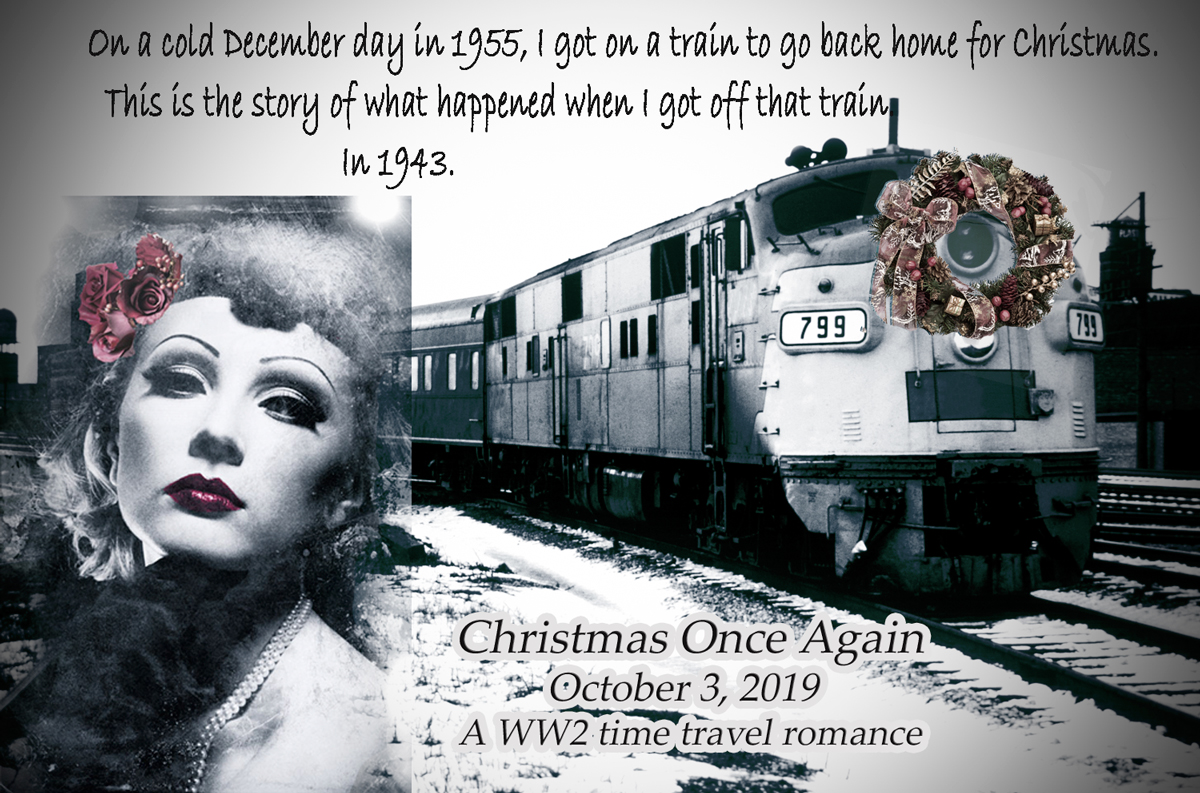
Kate travels back in time aboard a magic Christmas train
More on “Christmas Once Again” and the amazing Boldwood Books next month!
2 0 Read moreIt’s A ‘Short And Sweet’ Mother’s Day!
May 12, 2019 by Denise M. Colby in category The Writing Journey by Denise Colby, Writing tagged as books, Mother's Day
Today is Mother’s Day. I was very excited when I realized my monthly post fell on this special day. I knew immediately what I wanted to write about. So first, I want to wish everyone a Happy Mother’s Day, whether you are a mom or you have a mom (which we all do, even if they are no longer with us!)
This is my first Mother’s Day since my mom passed.
I have to admit, it’s really weird. But as a mom myself, I’m celebrating with my kids and my mother-in-law, and thinking about my mom in so many ways.
I’ve actually written a lot about her this past year. Writing is therapeutic, so maybe writing about her has been part of my healing process. So given it’s Mother’s Day, I figured you wouldn’t mind if I wrote about her, again.
After all, she is my mom!
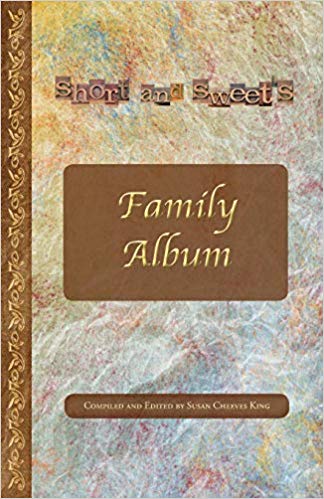
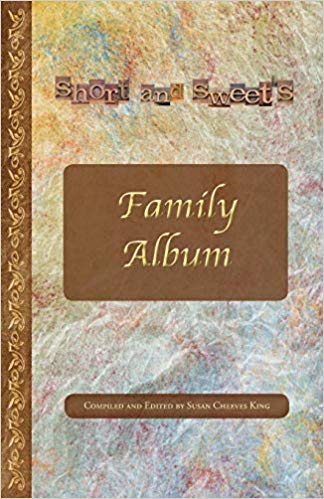
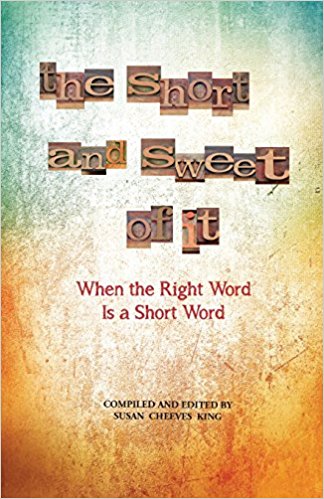
Even though I miss my mom, I have much to be thankful for this Mother’s Day, including a new article published in the 6th edition of the Short and Sweet series, titled Short and Sweet’s Family Album. All of the articles and poems are written about family members and each article is in one word syllables.
My article is all about my mom, titled Thanks To Mom.
I had originally wrote it as a poem a few years back (which I posted last July in the post Smile and Be Grateful In The Little Things when my mom passed away).
Since it was not included when my first article was published in the 3rd edition, which I wrote about in this post, I was quite excited to be contacted for this issue.
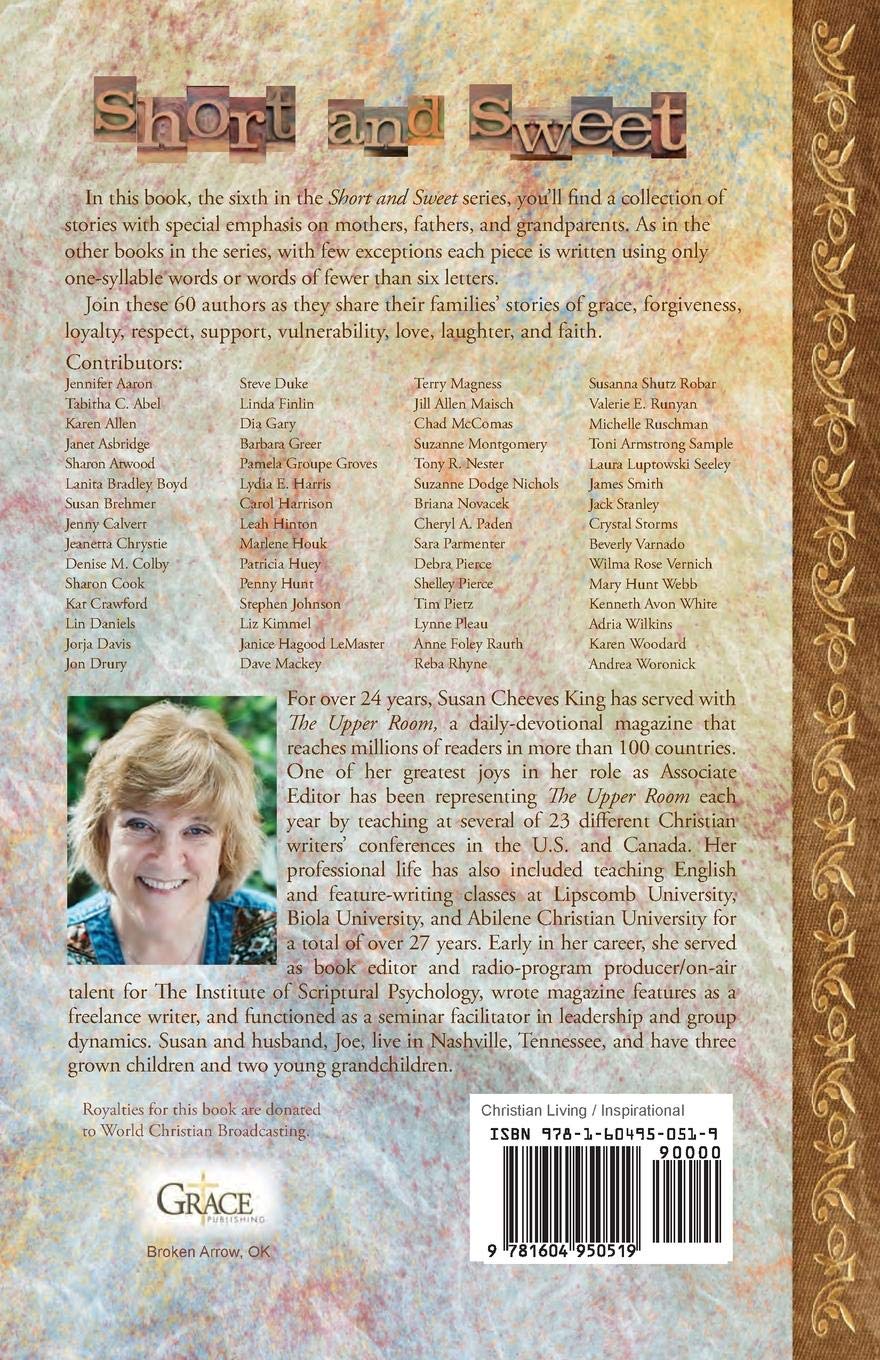
The editor asked me to rewrite it in prose vs a poem, so it’s completely different than the poem, even though the underlying theme is the same. I was even able to include a picture of my mom and myself.
It’s special to me, that I’ve been able to write about her in such a permanent way.
And it’s special to me, that I have yet another publishing credit to my name! I love being a part of the Short and Sweet family.
And Mother’s Day is a perfect time to celebrate both my mom and my writing.
Have a blessed day!
Denise
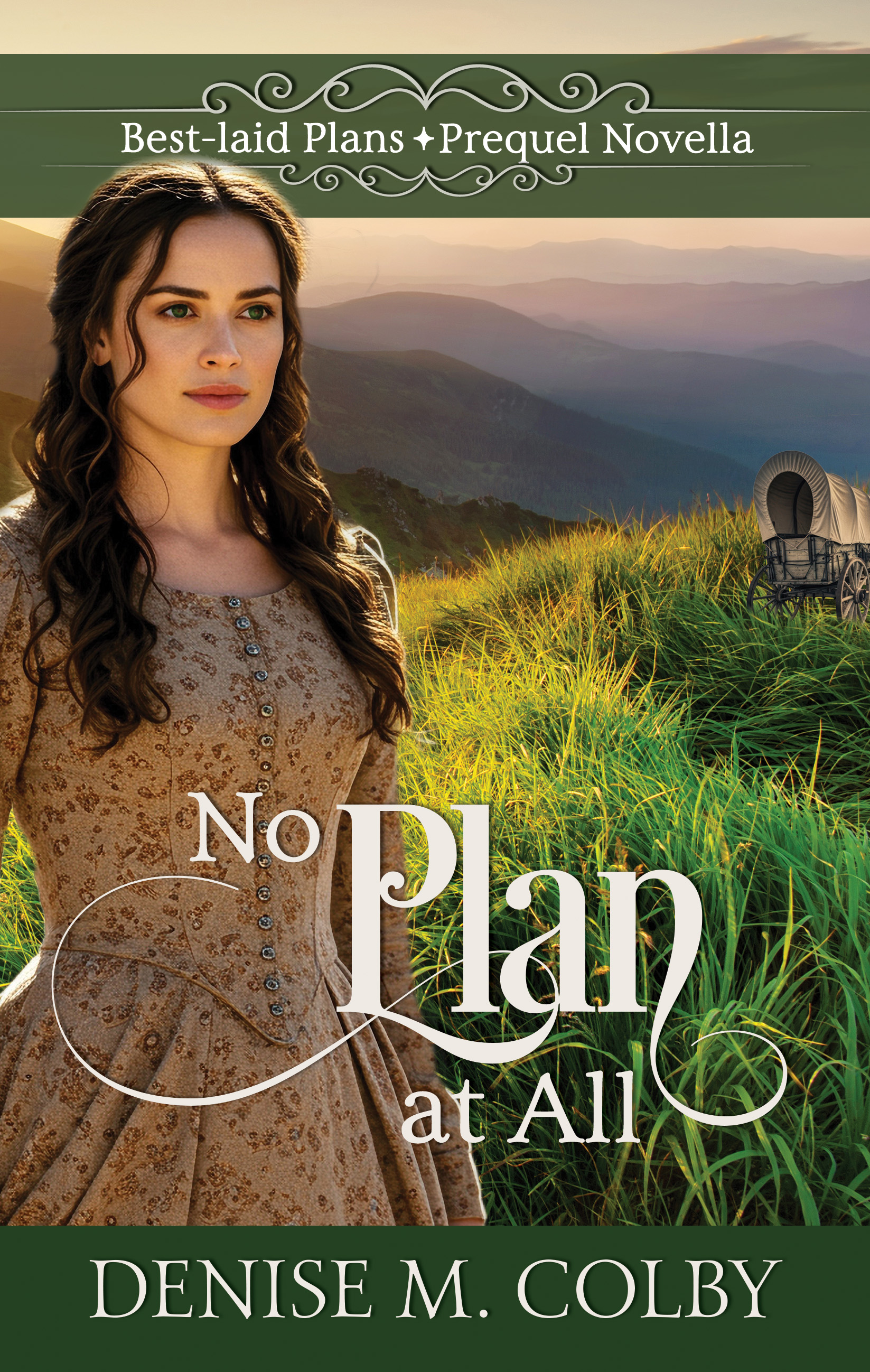
Books by Denise Colby








0 0 Read more
Eat . . . I mean, Write What You Want Day by Jina Bacarr
May 11, 2019 by Jina Bacarr in category Jina’s Book Chat, Writing tagged as pizza, romance, writing
Ever want to indulge in a pepperoni pizza and then chocolate gelato? A splurge to celebrate a book deal or soothe a broken heart when your online date turns out not to be your dream guy (that’s another story).

You had me with pizza and gelato.
So the same can be true with your writing. On this Eat What You Want Day, let’s take a look at Write What You Want Day.
Suppose you’ve been cranking out hot contemporary romance until your bleary-eyed and drinking hot, black coffee for what seems like forever. You’re good at it, readers like it…your editor likes it.
But you’ve had it. Up to here. The ole mojo ain’t working.
Pizza and gelato time.
In other words, don’t abandon your shirtless hunks and sassy heroines. Just give them a day off. Write something different. Taste the honey on the next beehive by trying something different with your magic pen.
Your imagination.
So, what shall it be? Prince Charming or history?
Why not have both in a sizzling historical romance.
Love mystery or crime shows? Dark fantasy? Write a scene about a female knight solving a mystery in a dystopian world while trying to save her little sister from the underworld creatures making slaves of her people. And the avenging superstar from the future who steals her heart.
Okay, a bit over the top. But you get the idea. Let your mind run free for a day and write whatever comes to you.
It’s like sorbet for the mind.
You may find that your contemporary romances have a fresh spin on them the next time you sit down at the computer.
And always, always write from the heart…

REBRAND: Website Reveal
May 5, 2019 by Tracy Reed in category WritingHappy May and Happy Mother’s Day to all who are mothers.
Let’s talk websites.
I mentioned this before how labor intensive and time consuming this rebranding process has been. I’ll let you in on a little secret, I’d do it all over again.
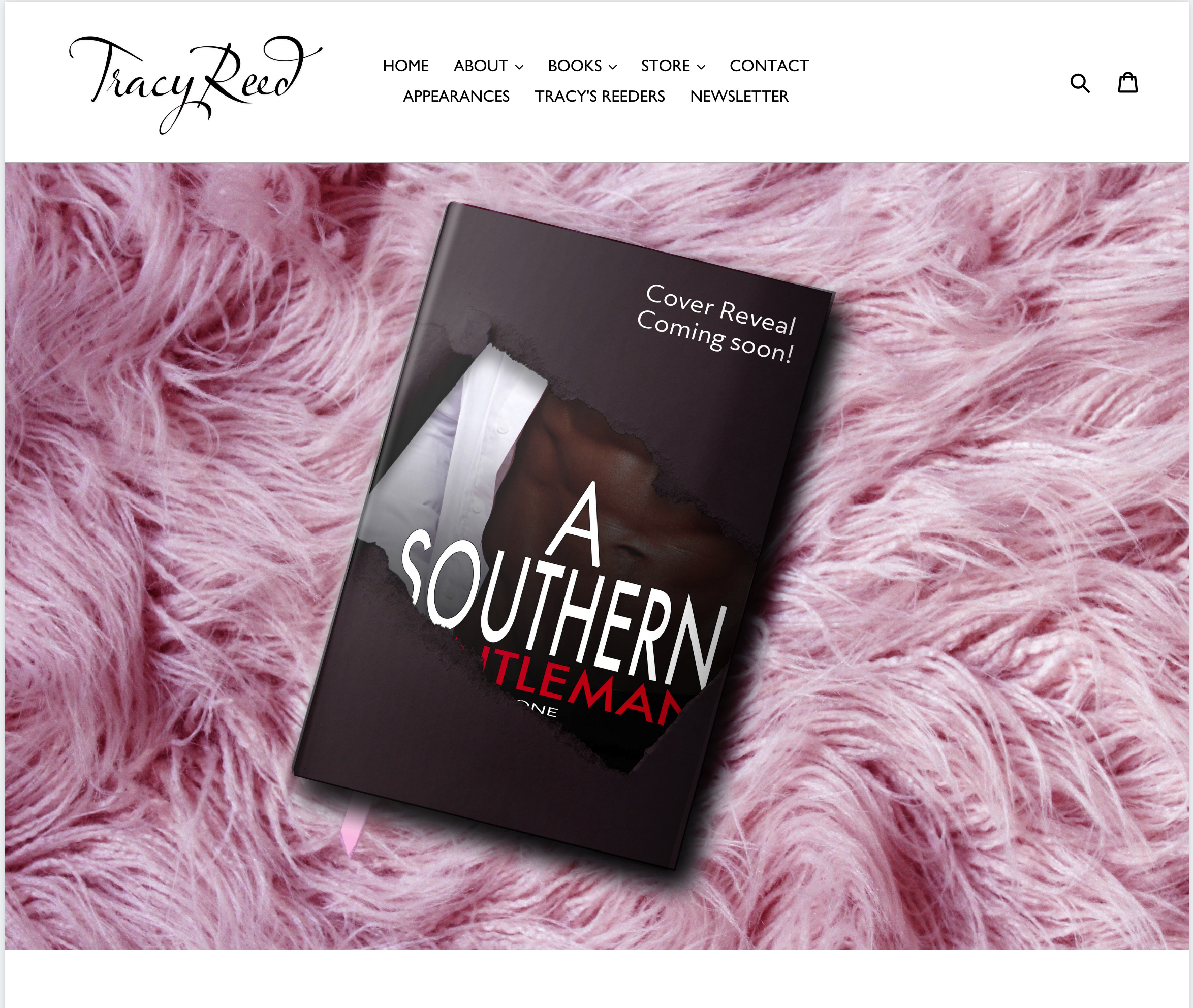
When it came to redesigning my website, I knew I wanted it to be reflective of me. My old site was nice, but after having attended RAM {Romance Author Mastermind], I knew I needed to step up my look. I approached this sort of like a giant Pinterest Board. I studied bestselling author sites, sites I liked and sites from some of my also boughts. I made a list of the things I liked from each site and then went to work redesigning my site.
My new site has most of the information on the homepage. Each book has it’s own page as well as a playlist. I always create playlists when I write, but had kept them to myself. Sharing my playlists was something I saw on Laurelin Paige’s site. She shared playlist with some of her books.
I liked the giveaway Carly Phillips used for her new site launch. I enlisted the readers help checking for typos. She also hid a few intentional ones. This was such a great idea. For my site, I’ve set up a game asking the readers to “Find the Hot Guy”. It also includes a bonus entry for noticing the new cover. [I’m keeping A Southern Gentleman’s new cover a secret in this post until I share it with my list.]
I liked the printable book list from Brenda Novak. At RAM we learned about text messaging. I’ve added that feature. It’s an additional monthly expense, but I think it will come in handy with new releases.
This time around, I used free stock images I tweaked in Photoshop to match my color theme. I also added a new logo. I added a direct link to my reader group and cleaned up the store products. Basically, I added all of the information on the homepage keeping in mind, I had to grab the reader’s attention.
I also carried the graphics over to my email template. I wanted to establish my branding with the colors and the graphics.
Resources I used for the new website:
Shopify
I sell print books and reader boxes, so this is an excellent platform for me. It’s also easy to use. They offer 24/7 Customer Service. Another major feature is a POS app for my iPad and phone. I love using this at signings.
Photoshop
I use Photoshop to tweak my images before adding them to my website and the new logo font.
Unsplash Stock Photos
I found a series of images I felt best represented my brand. I could have used my covers, but they wouldn’t have given me the continuity I wanted. And the covers wouldn’t have stood out.
For the “Find the Hot Guy” giveaway, I used Depositphotos, Pexels, and Unsplash. And Google Docs for the form.
Spotify
I used Spotify to host my playlist. This one is a little tricky, because it’s not compatible with all web browsers.
EZ texting.com
I posted a question to one of my online groups about texting apps, and this one got rave reviews. I’m excited to see how this is going to work.
If you’d like to visit the site, click the image below or the link: https://bit.ly/2DOyvV1. I ask that you not share it yet, because I have a giveaway set up for the launch. If you have a problem with the link or have questions, email me [readtracyreed@me.com]
Teacup Tales
April 15, 2019 by Rebecca Forster in category Writing tagged as Family, inspiration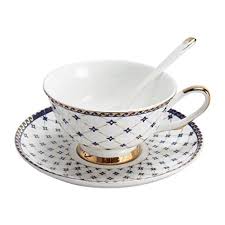
Over the last many months I have been helping my mother prepare to relocate. We have spent hours choosing the furniture she will take and trying to determine how many dishes, glasses, and cookie sheets she’ll really need.
Dusty and dirty after spending the day cleaning the garage, we found ourselves in the dining room at the end of the day. I looked at the huge breakfront overflowing with crystal, silver, and china. I opened the glass door and took out a piece of bisque colored china.
“Do you want to take it with you?” I asked.
“That’s Limoges,” she said. “One of dad’s patients gave it to him after he delivered her baby.”
“And these?” I held up two tall crystal vases. Certainly one would do in a smaller place.
“Keep them both,” she said.
“Why?”
“Because I like them,” she answered.
On we went sorting through soup tureens, more vases, statues of ballerinas, and teacups. It was the teacups that enthralled me and the work slowed as I set them on the dining room table, one after another. Some had fluted edges and others were like little pot-bellied stoves. My favorite cup was sleek and modern with a shallow bowl. It was made of porcelain so white and delicate that I could see through it. The sweep of the golden handle made the cup look like a swan. The cups were miss-matched because that was the style in another elegant era.
My mother and I touched the teacups, nudged their saucers, and ran our fingers over tiny raised paintings of roses and lilies. We looked for the china markings and grouped them: Wedgewood, Meissen, Limoges. There were stories about my grandparents, and of my mother growing up in Germany, and of guests coming for lunch.
When we were done, when she had chosen the teacups to take with her, we went to bed to rest up for the next day’s work. As I drifted off, I realized that in the course of getting ready to close the door on a house we had opened the door to memories that could inspire a hundred novels. I had heard tales of hardship, of gratitude, of uncertainty – even danger – but mostly I had heard tales of graciousness, hard work and above all love.
Someday I will write one of these stories. Until then, I will drink my tea from one of her cups and remind myself that the best stories are those that are rich in flavor and best served with style.
1 0 Read moreFeatured Books


THE SCRIBE OF SIENA
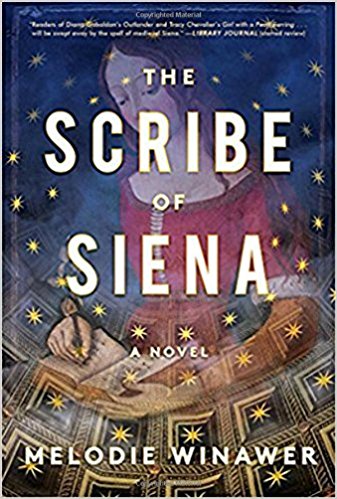
The captivating story of a brilliant woman's passionate affair with a time and a place . . .
More info →





NIGHT FLIGHT
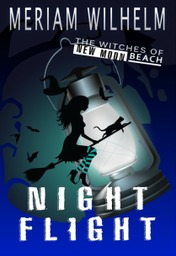
Olivia Merriman’s witchy wiring has all gone haywire and if she doesn’t get it under control soon she’s going to lose her boyfriend, her magic and a whole lot more!
More info →