Mother Nature Knows . . . Best
July 13, 2026 by Bethlehem Writers Group in category From a Cabin in the Woods by Members of Bethlehem Writers Group tagged as Bethlehem Writers Group LLC, Dianna Sinovic, eco-horror, nature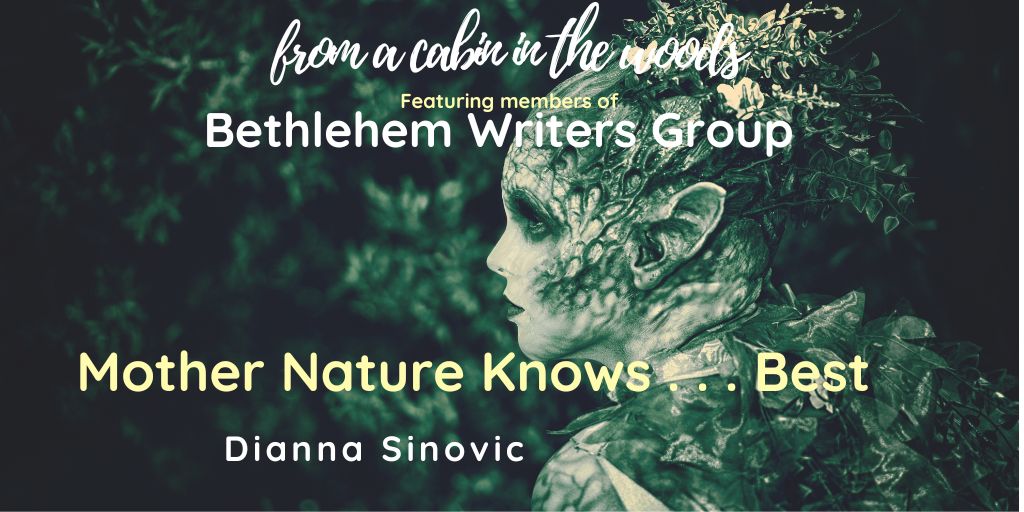
We’re in the midst of summer here in Southeast Pennsylvania, a time for hiking in the woods, camping in the forest, picnicking near a lake—even walking on the beach at the Jersey Shore. Nature is ours to enjoy, right?
We often view nature as “safe,” but seen through the lens of a horror writer, nature can also be unpredictable and dangerous. That’s the horror sub-genre of biological or ecological horror, in which nature has the final word. These days, with a rapidly changing climate, the natural world can pose an even greater threat.
Even though the term eco-horror may seem new, the idea of (hu)man vs. nature has been around for hundreds of years as a plot device. The natural world can be a pretty scary place, even when it’s not depicted as evil, and especially if you think you have it all figured out. Consider the films 27 Hours or All Is Lost.
“In eco-horror, nature isn’t good,” says JP Ruz on Slow Burn Horror. “But it’s not evil either; it just is.”
In mid-20th century films, natural horror frequently focused on creatures: Godzilla, that Creature from the Black Lagoon, giant ants (Them!). It was a way to address humanity’s fear at that time of nuclear annihilation and radiation exposure.
Creatures continue to be a common eco-horror trope because we can anthropomorphize them, from aliens (Alien) to yetis (Yeti) to sharks (Jaws)—all critters we can “fight.” Other living entities are harder to deal with (or stop) because they are so not human: plants (Little Shop of Horrors), fungi (The Last of Us), viruses (The Stand). Or they are meteorological: tornadoes (Twister), gales (Perfect Storm), snow (Avalanche), floods (The Wave).
Like life in general, humans are usually happiest when they feel in control. When they aren’t, the horror seeps in.
But author and poet Ashia Ajani, writing in Atmos Magazine, asks: “Even when there is a moral at the end of the tale, too much ecological horror begs the question: Should nature be conquered? Subdued?”
Ajani notes that “many of the movies recycle the same tropes: possessed creatures, gory vengeance, and supernatural phenomena that speak more to our own fear of annihilation instead of addressing the uneven wounds we’ve created all over the globe.”
Several recent novels that explore eco-horror include Annihilation by Jeff VanderMeer, also a movie; The Marigold by Andrew F. Sullivan, and The Brood by Rebecca Baum.
Naomi Booth, writing in the New York Times, adds, “In eco-horror, we witness acts of environmental violence currently hidden from sight; we might see who suffers most and who gains by that suffering.”
That’s because climate change doesn’t treat everyone equally, Ajani says. Instead it worsens existing inequities.
This is good fodder for story creation. As Booth says, “at its most effective, eco-horror compels us not to look away. It attempts to close the distance between the reader and sufferers of environmental disaster, and when it really gets under the skin.”
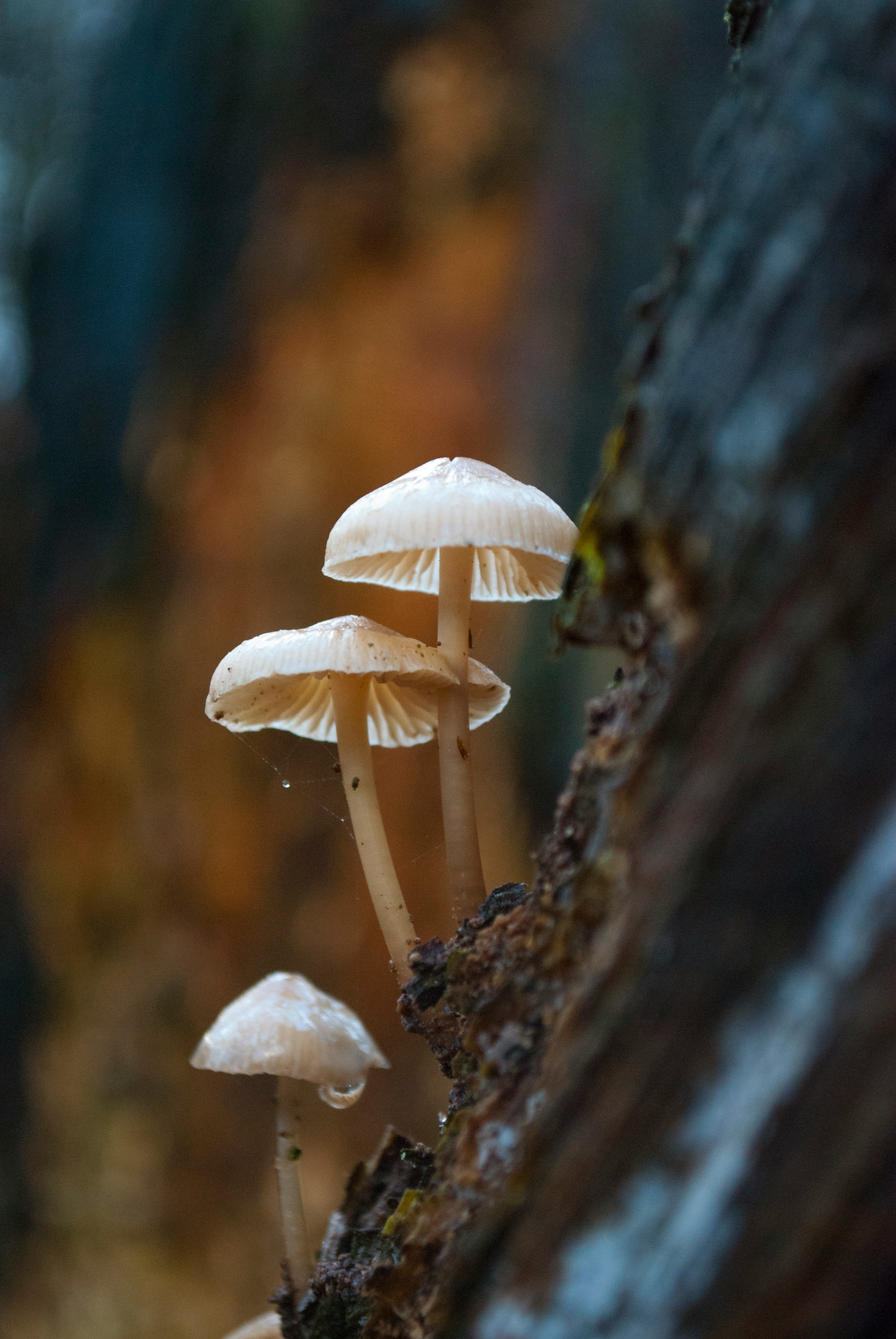
Speaking of skin, author Erica Ferencik, whose novel The Blooming releases early next year, noted at a recent conference panel on eco-horror noted that our internal body temperature is cooling (it’s no longer 98.6F, but roughly 97.5F), making it easier for fungi to invade through that very skin . . .
Stories from BWG












Featured Books





COVERT ALLIANCE
Passion flares between a mysterious woman and a covert investigator who knows her secret…
More info →