Keep Up! Calming That Sense of Overwhelm
October 12, 2026 by Denise M. Colby in category The Writing Journey by Denise Colby tagged as Denise M. Colby, encouragement, writer lifeI was at a complete loss for what to write about this month. I wanted something different. Something witty. Something that spoke from my heart with where I am right now. But what exactly was that? What do authors, such as myself, want to read about? I don’t know about you, but I’m having trouble staying on top of writing, promoting, following, reading, and doing all the things my brain has identified as opportunities to pursue. In other words, I’m trying to keep up. And then I realized I felt overwhelmed and I needed to write out something to help me to calm that overwhelm.
What Am I Trying to Keep Up With?
Keep up with my own writing. Keep up with reading authors I enjoy and the plethera of books coming out. Keep up with all the blog opportunities, graphics I want to design, website updates I want to make, and all the other things that make being a published author entails.
Before being published I wanted to connect with published authors so badly. Have them take me under their wing, read my book, and then help me cross over into this unknown abyss. Now that I am on the other side, I understand so much more. There’s not a lot of time in the day to do all the things I want to do, let alone the things I need to do.
Question for Other Authors
Do any of you feel now that your book is released there’s this urgency to get the next book done and out to readers? Authors all around are publishing books and it’s hard to keep up. Each week there are a slew of books releasing. (Please know, I want to support everyone, but I don’t even read that many books anymore (not between research and writing ones).)
Then on top of that, I’ve been visiting book stores in my home town this week, seeing if I might be able to do a book signing in a future trip. But to not find sections where my book would fit at any of these stores seems so disappointing (historial Christian fiction). If the biggest authors in my genre aren’t on the shelves, how am I supposed to get my books on the shelf? How am I supposed to get my books in front of readers when there aren’t places to do so, along with so many books coming out every week?
It all can be a little overwhelming. And I need to find a way to calm that sense of overwhelm.
Focus on What’s Truly Important To Help Calm Your Mind
As an author, it takes so long to write a story, edit it, and then submit it and edit it some more. But you can’t really skimp on those steps. That’s what makes a good story a great book. And I want to write great books!
However, I feel as impatient as my readers. I want to know what happens to the next character I’ve introduced and who they will be paired with, and have new characters to learn about and so on and so on. I envision writing a chapter in a day, but sometimes it takes much longer than the time I have available (thanks to the day job).
But I need to be patient. Because it’s in the simmering of writing that the pieces come that make a book a great book.
I love it when a specific scene reveals a layer I hadn’t known existed that ends up being an important thread. I love writing the words of the hero declaring his feelings in a way that is uniquely his. And I love it when the heroine finally believes she’s lovable and capable of loving someone in return.
That is all in the details. And I need to be patient with being able to develop those details. And when that takes longer than I want, I then need to be patient with myself.
And in writing those words, I just calmed some of the overwhelming sensations I was feeling.
How I Just Calmed the Overwhelm
I typed in “Bible verses on patience”, several about ‘being still’ popped up. I actually used this verse about being still in my last book. And I remember writing this into my characters arc. And now, I’m feeling silly….
Be still before the Lord and wait patiently for him; do not fret …
Psalm 37:7
It’s funny because being still is the opposite of what I feel I need to do right now. I want to write my list and start tackling every task on my to do list. Yet, when I actually sit down and write, that is sort of what I do. I’m still. I only focus on the words coming to me in that moment. Nothing else. And it is in that moment that writing is a release, or an expression, or a way to create something that didn’t exist before.
And those moments are what I love about being an author.
It’s in those moments I’m progressing, developing, and keeping up.
Finding Small Things to Help Calm The Overwhelm
Sometimes I like to step out of the frantic pace I set for myself and color. Funny thing is that helps me be still too. And that allows me to collect my thoughts, take a break, and calm the overwhelm going on inside of me. I also love to watch the colors turn into something more than just a page. The pictures comes to life for me. And that helps keep me calm as well.
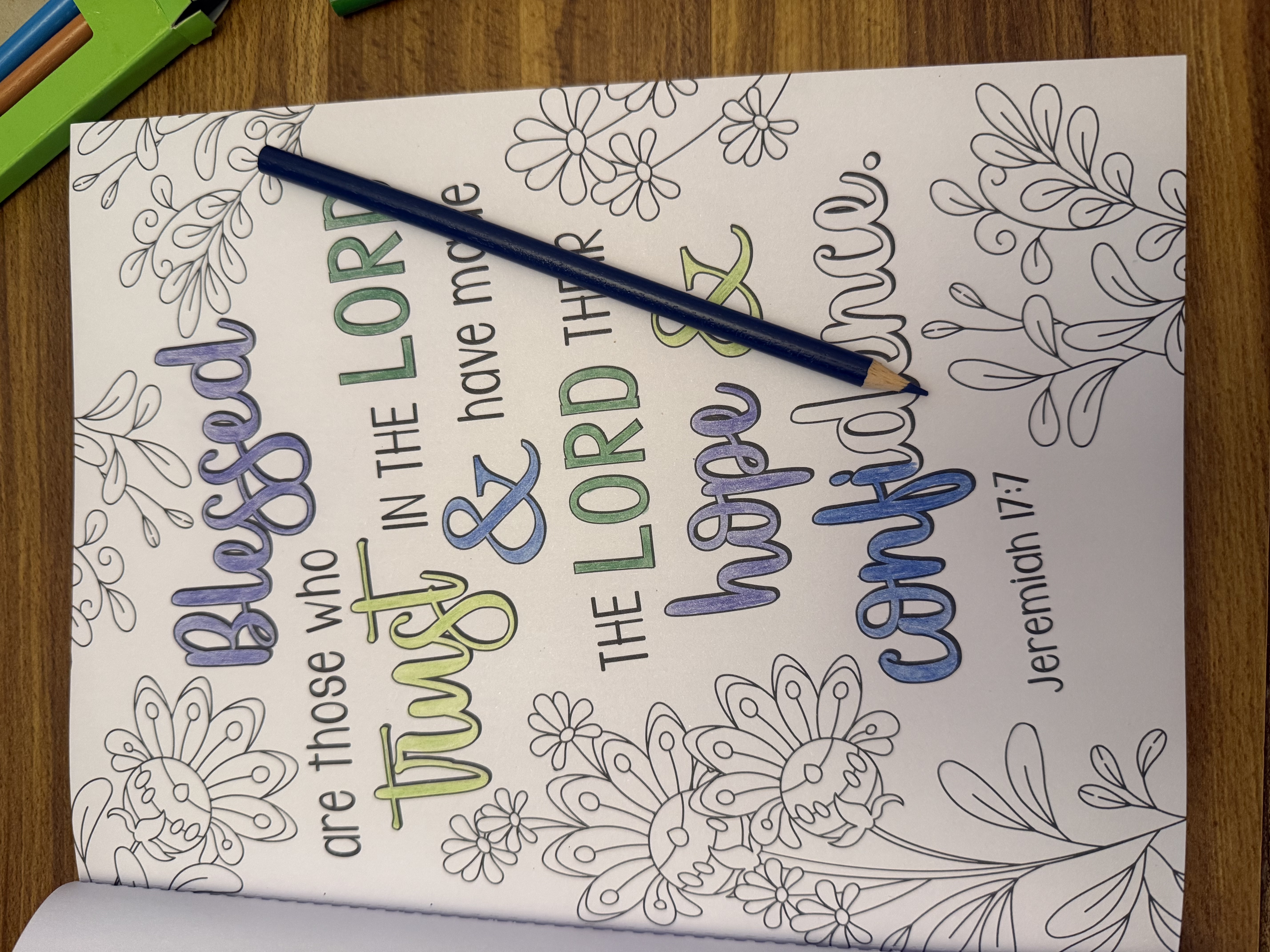
I never set out to write a post on patience. Or on being still. I just wanted to write from my heart. And maybe that is exactly what I needed to write today. About my feelings, my struggles, and something to remind me that all is okay in my world and my story world.
I hope if you are reading to this point, that it was something you needed today as well.
Thanks for reading.
Denise
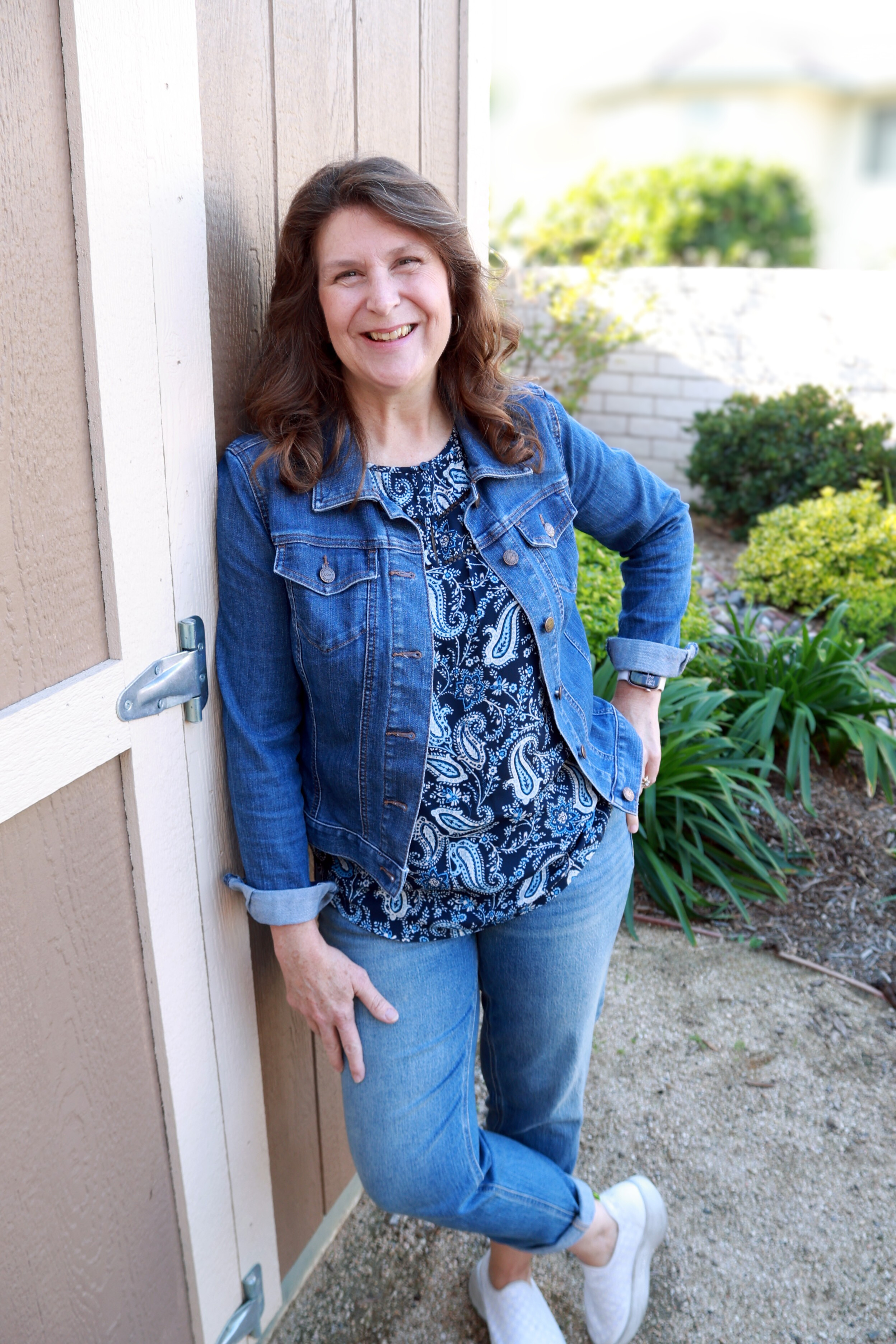
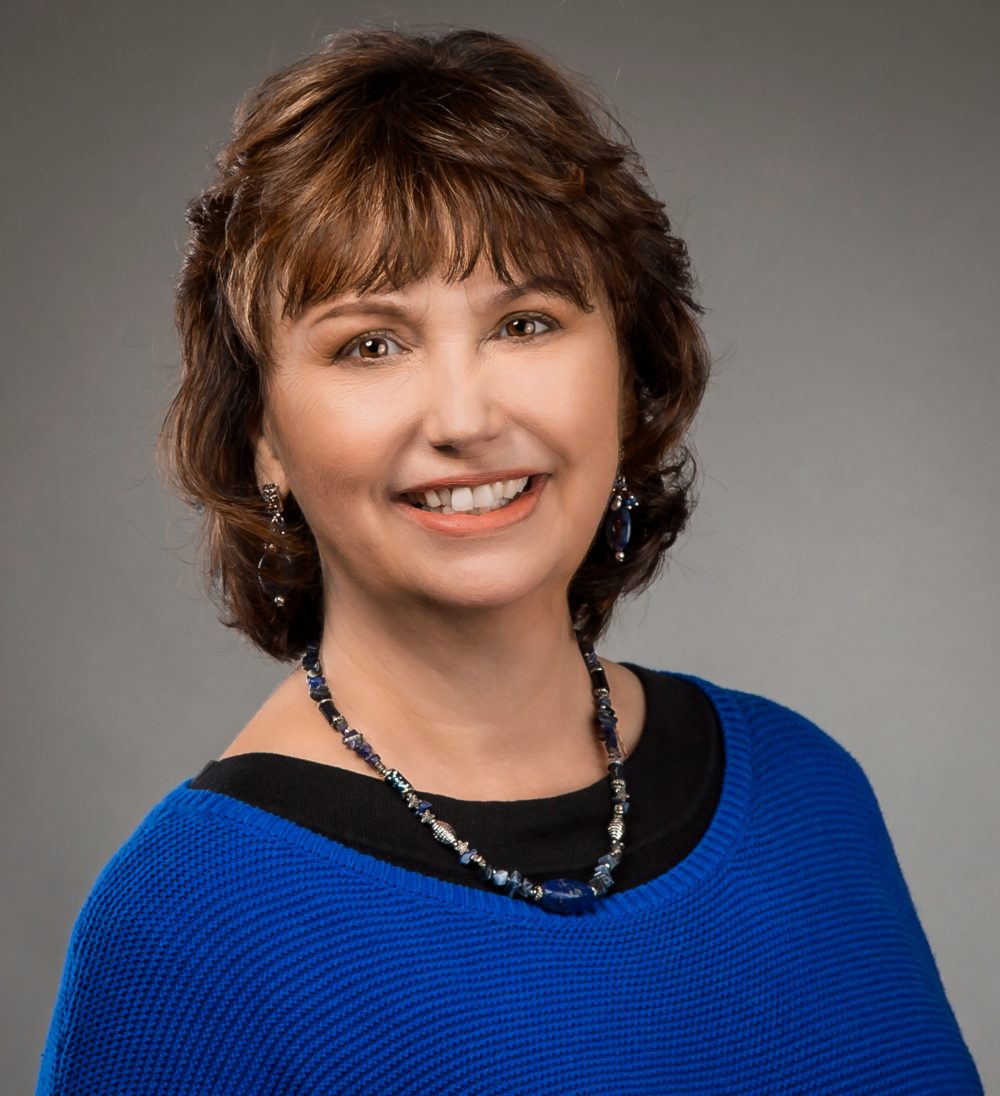
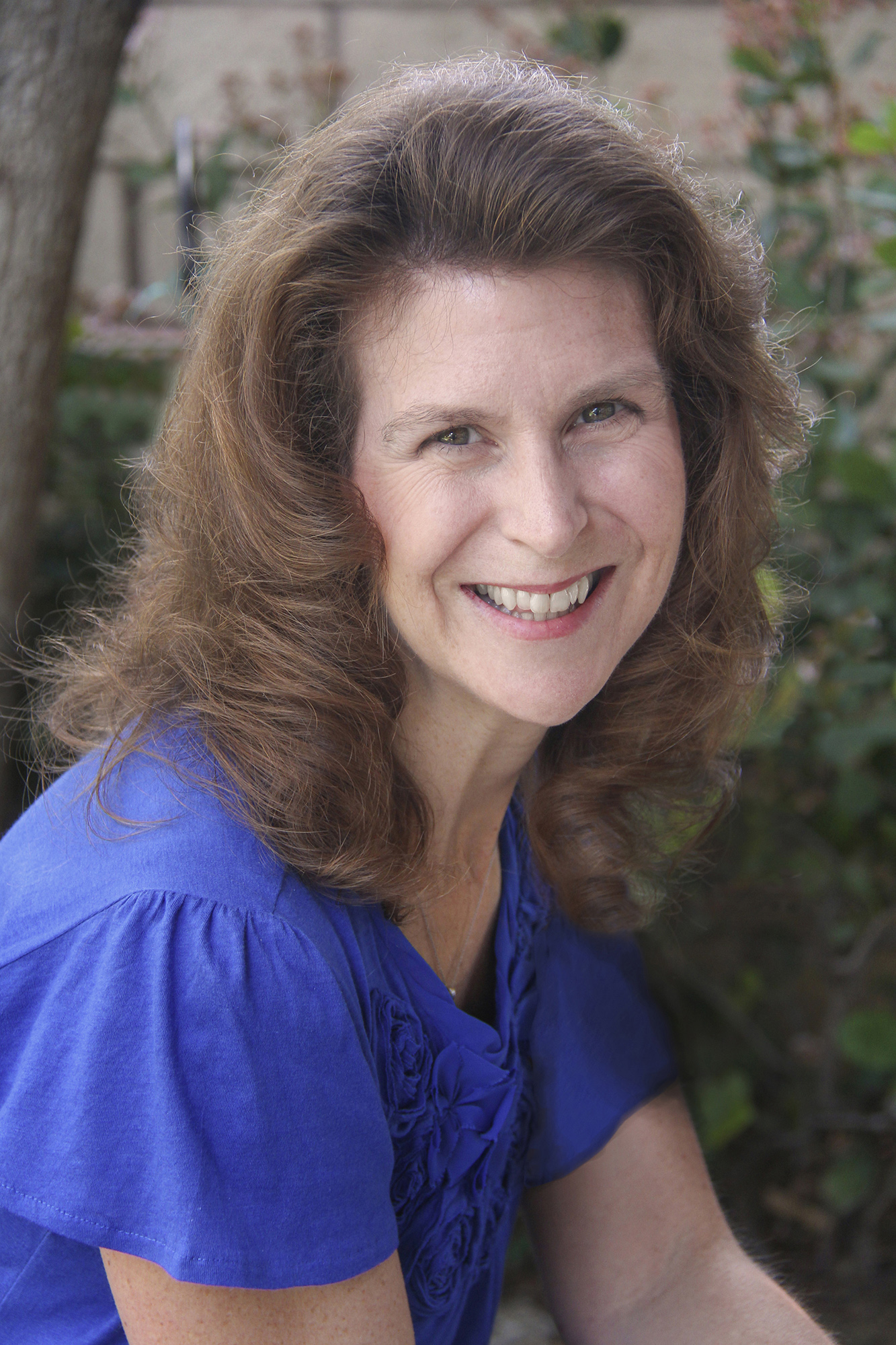
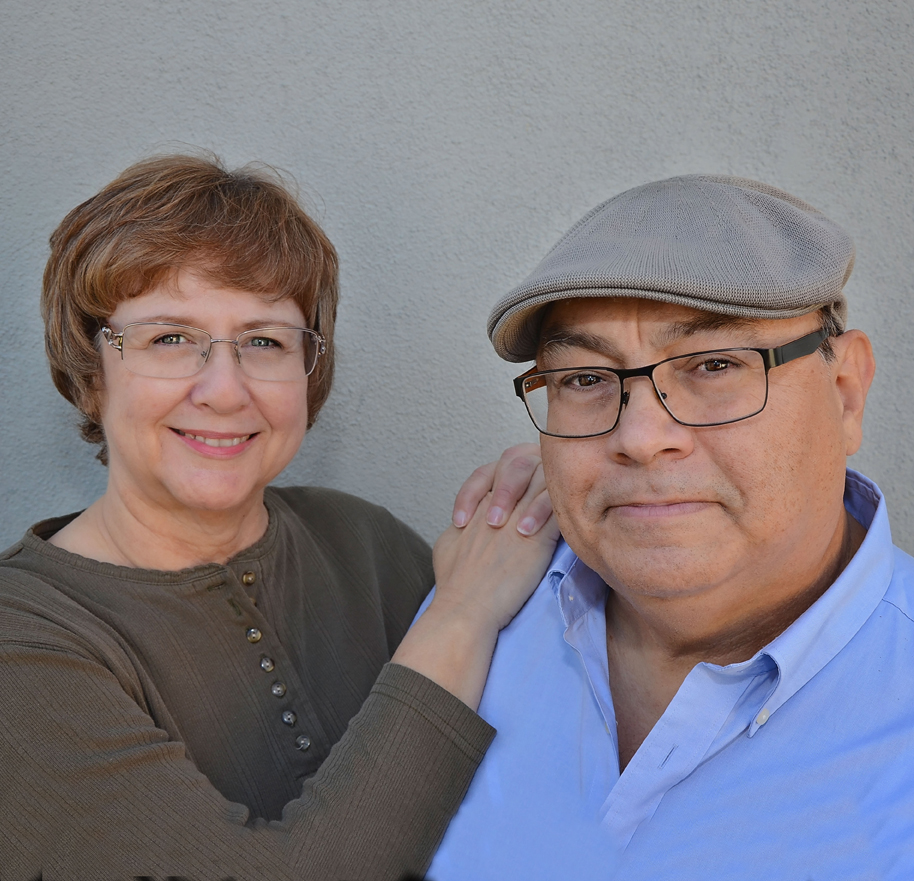
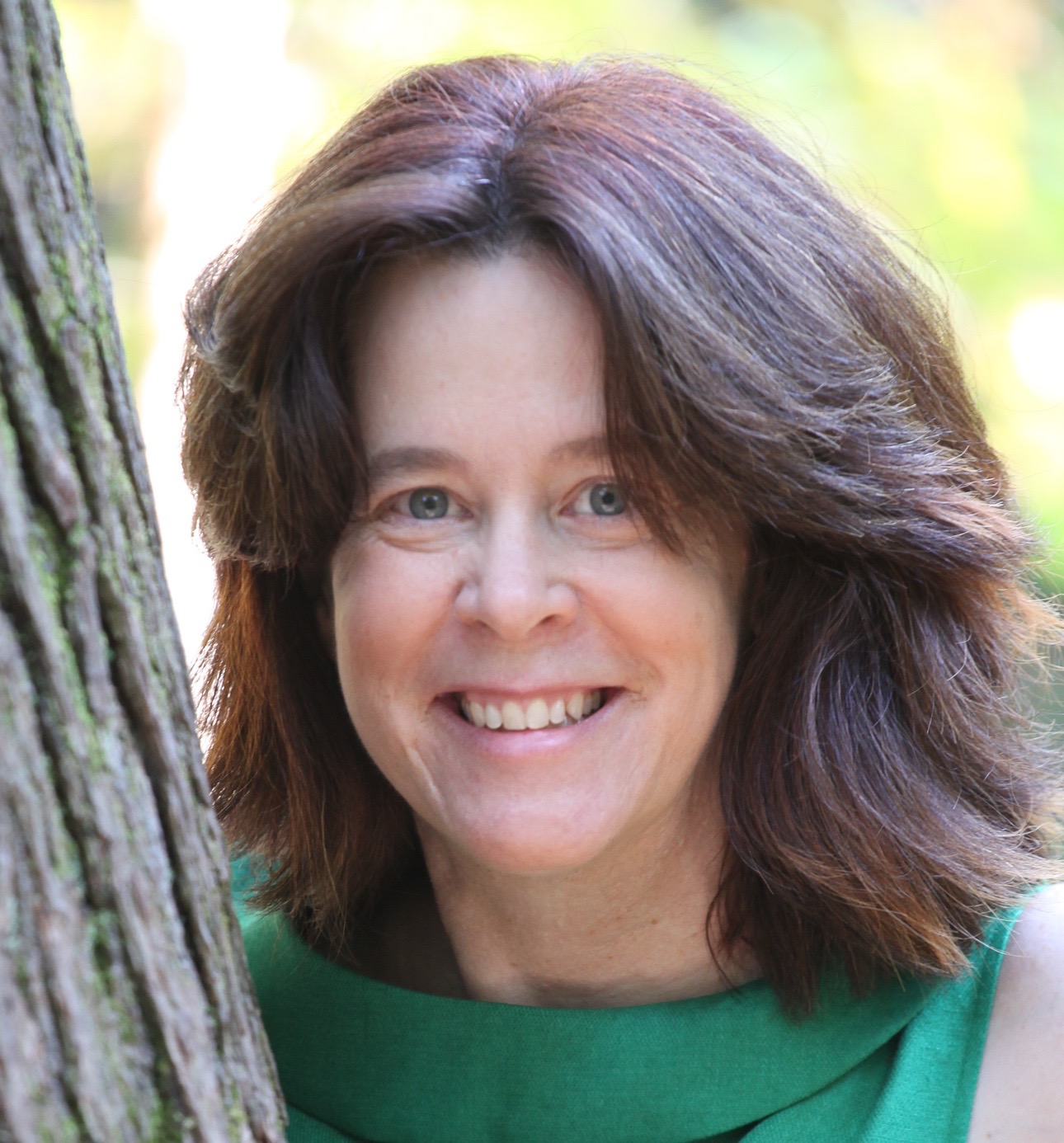
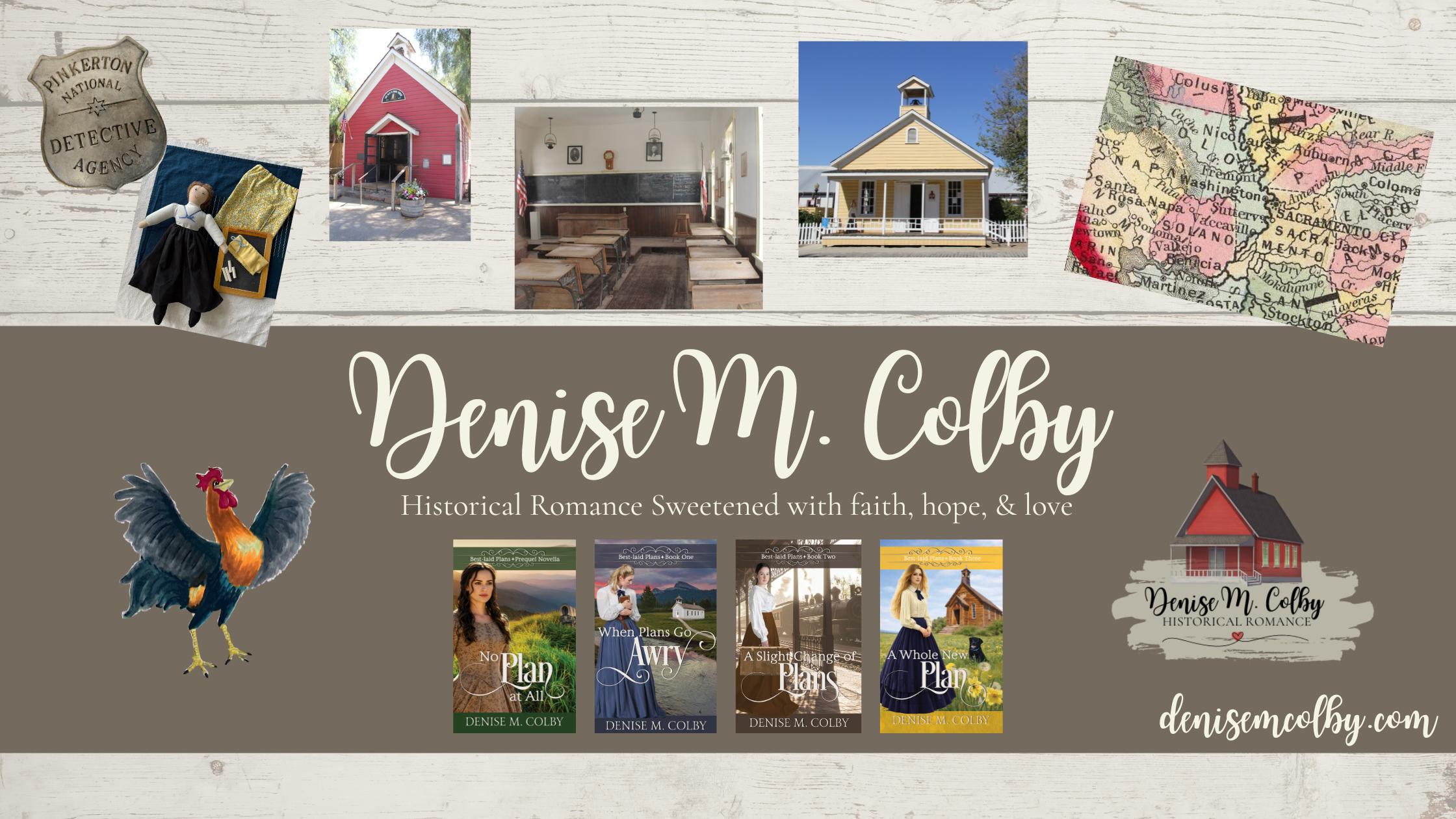
Denise M. Colby writes historical romance sweetened with faith, hope, and love. She finds history fascinating and contemplates often how it was to live in the 1800’s. Her debut novel, When Plans Go Awry, is a 2025 Carol Award finalist. Sign up for her newsletter at www.denisemcolby.com or follow Denise on Facebook, Instagram, Bookbub, Pinterest, or GoodReads.
If you want to take a peek at other blog posts Denise has written here, you can check out this link
What does this writer do when I finish a book? Binge on new series ‘Youth’ on HBO Max and Chocolate by Jina Bacarr
October 11, 2026 by Jina Bacarr in category Jina’s Book Chat, Writing tagged as authorlife, kimono, writing, Youth HBO Max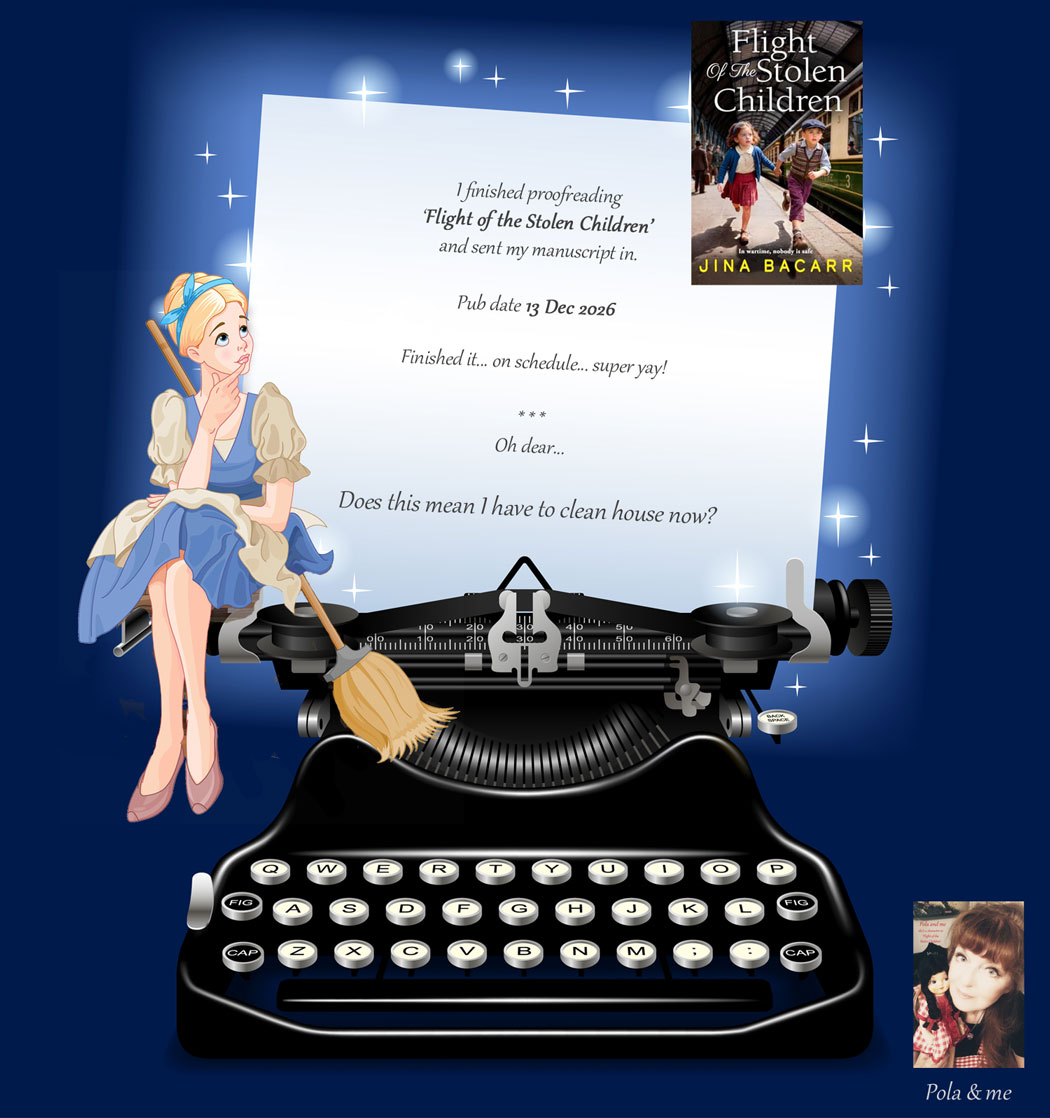
Yep. Finished ‘Flight of the Stolen Children‘ from edits to copy edits to proofread. Now it’s in the hands of the gods… Team Boldwood.
So what does a writer do next after pulling all nighters for the past year?
Binge, baby, binge.
I love checking out the new shows and this one on HBO Max hit a bulls-eye with me.
Youth is a fab-u-lous new show I hope is around for a long, long time. I love it. Alex (Sharon Horgan) is a 50-year-old literary agent, divorced, a mom. And single. In episode 3, she’s attending the Frankfurt Book Fair (my publisher Boldwood Books is there this weekend showing our books).
Which brings back memories…
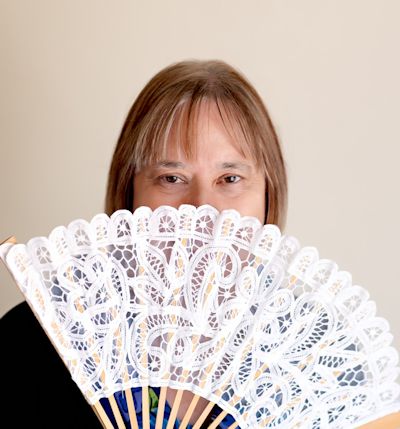
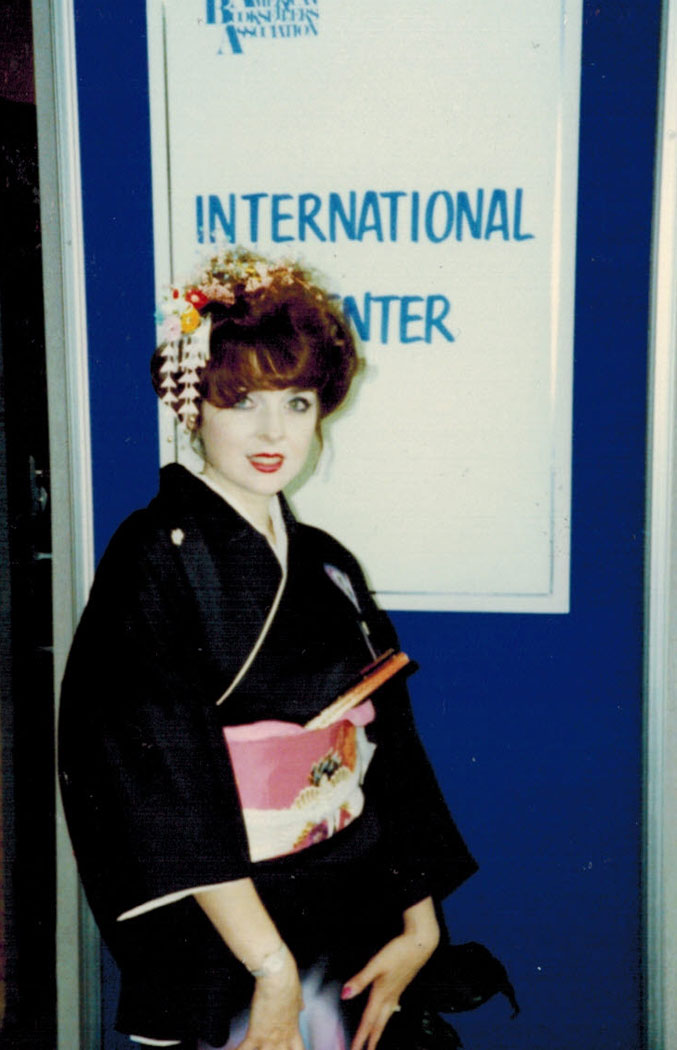
I’ve been to Frankfurt many times (Café Kranzler’s Pêche Melba was to die for!), but I’ve never been to the book show there. I have attended the US Book Expo (once known as the ABA) over the years and when I saw ‘characters’ dressed up to promote a novel in HBO’s ‘Youth’, it reminded me of the book show where I dressed in formal kimono to promote my book featuring Japan (I’ve had five nonfiction and fiction books about Japan published).
So here is a pic of me in kimono at the book show… in case you’re wondering how I put it all together [sash (obi), fan, head pieces, and special underwear], I studied the art of kimono with a sensei, teacher, from Japan for months to make sure I got it right!
Thank you, Ms Horgan, for my fave new show!
I’m so looking forward to Sunday’s new episode. The housecleaning will have to wait…
Jina
======================
‘The Flight of the Stolen Children’ is Book 2 of Lia’s Story
Book 1:
Check out: ‘The Stolen Children of War’ — Book 1 in Lia’s Story. Book 2 ‘Flight of the Stolen Children’.
A story told in Book 1 of this 2 book series about children hidden in plain sight in Occupied Paris 1943. In the circus.
Take a Moment by Kitty Bucholtz
October 9, 2026 by Kitty Bucholtz in category It's Worth It by Kitty Bucholtz tagged as gratitude, It's Worth It, Kitty Bucholtz, mental health, writing life
On Sunday, my first Encouraging Words episode in ages will air on my show, Write Now Workshop Podcast! Here is the text…
I was trying to think of something encouraging to say, which took a few minutes because it’s been a long difficult period of life for me.
Then I remembered something I’ve been trying to do lately – honestly, whenever I remember it, which tends to be a little on again, off again. It is to take a long breath, try to slow down my thoughts, and think of one good thing. During my many bad days in the last few years, I suffered a lot from anxiety and thinking up all the terrible things that were going to happen next because of this and that. I guess doctors call this catastrophizing – I wasn’t sure I could pronounce that.
Sometimes John or a friend would have to help me because I couldn’t think of a single good thing. On good days, like today, it’s much easier. But earlier today I had to lie down and set my phone alarm for 30 minutes because I couldn’t get my brain to stop spinning. Nothing bad, but I had so many thoughts I couldn’t stick with just one. Closing my eyes and breathing more evenly, I was able to slow my brain down enough to look at one thought at a time.
When I take a moment like this – and it’s usually more like 1 minute or less not 10 or 30 – I can get my thoughts to focus on the next most important item, not just choosing the next to do item that comes to mind.
I can think of something good when it seems like only bad things are happening. I can remember something I’m grateful for to keep my mood up. Or – just before I recorded this – I looked out my office window and noticed it’s bright and sunny and blue skies! Any minute now, we’ll be into 6 or 7 months of none of the above here in Sweden, just cloudy, dark and rainy. So I stopped what I was doing and took a 10-minute walk around the block. It actually turned into nearly 20 minutes because I was determined to walk in the sun, so I had to walk to another street that didn’t have tall buildings blocking out the afternoon sun.
Whether you’re having a good day or a bad day, a happy moment or a tired moment, take a short break once or twice a day to stop and think about what’s good. I’m happy because I just created two podcast episodes today! I’m grateful for a sunny day! I need to stop and acknowledge myself for how hard I’m working to learn Swedish. And I really need to choose to be grateful for the writing work I have gotten done rather than be frustrated with what I haven’t accomplished.
I hope this encourages you today. And I hope you remember to do this more often in the future. I’m going to try to remember to do it more too. It’s worth it.
I hope you have a great day, and happy writing!!
Featuring Marianne H. Donley
October 2, 2026 by marianne h donley in category Apples & Oranges by Marianne H. Donley, Featured Author of the Month tagged as Featured Author of the Month, Illusive Worlds, Marianne H. Donley, new release, The Confession of George Mullins
Featuring Marianne H. Donley
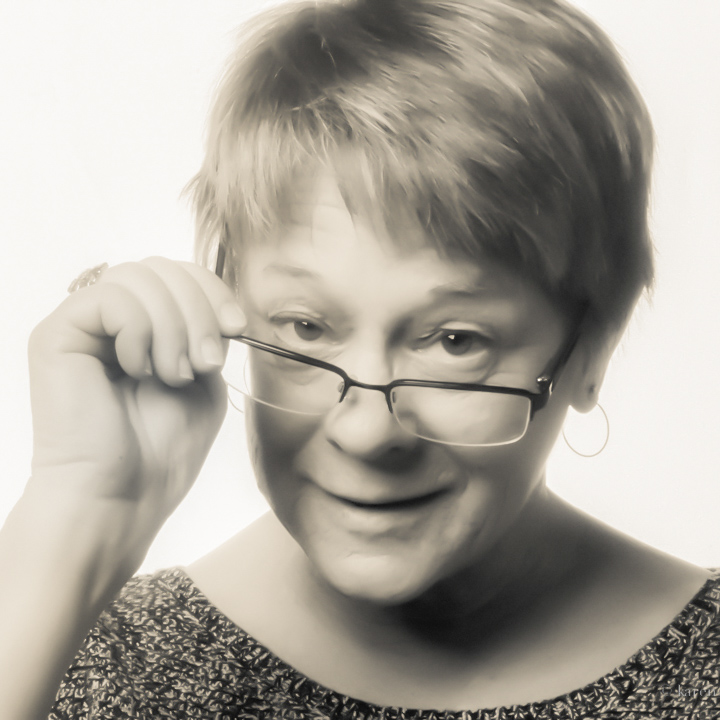
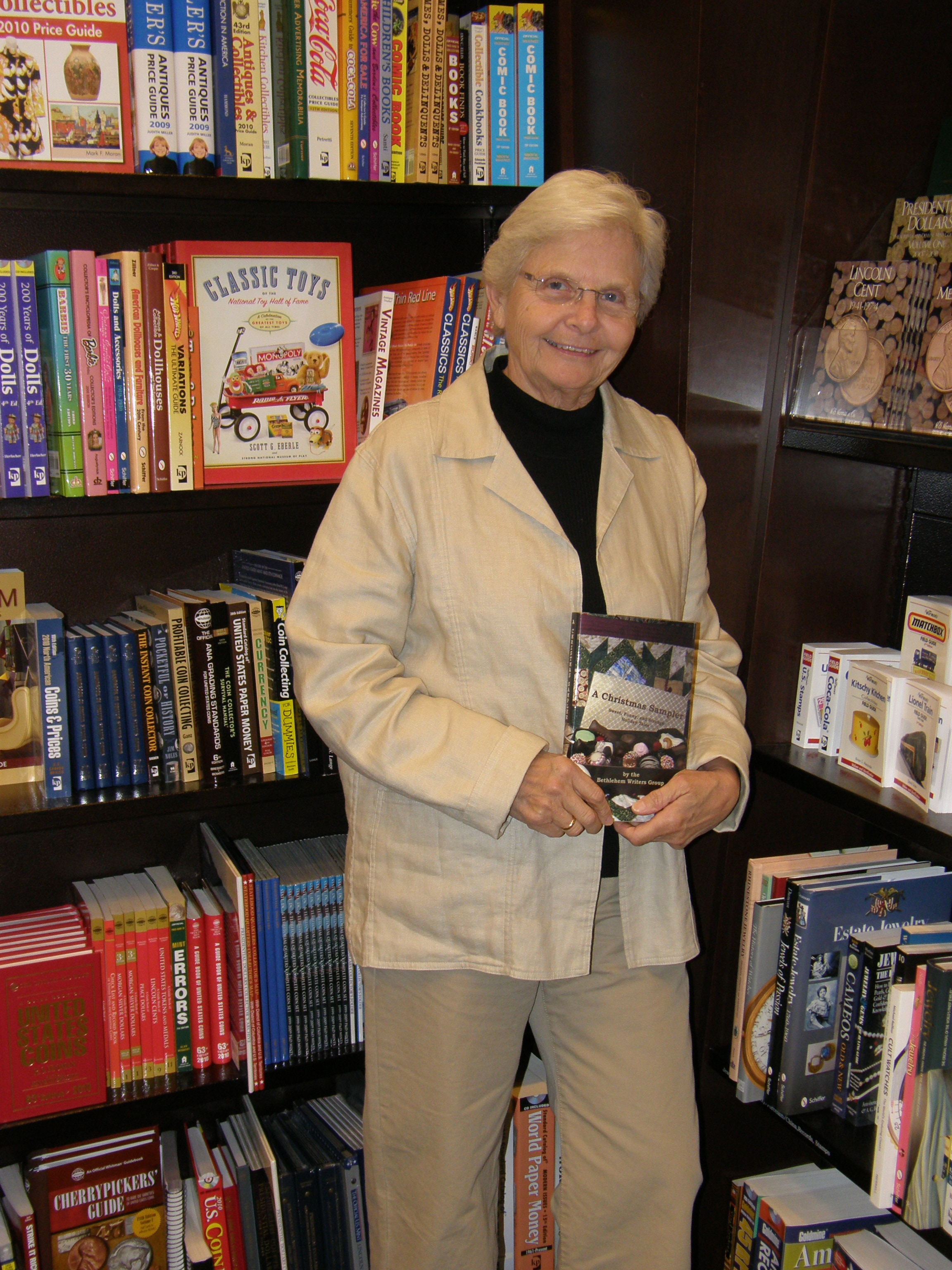
Marianne H. Donley makes her home in Pennsylvania with her husband, son, and a very very active dog. She is a member of Bethlehem Writers Group, The Charmed Connection, Sisters in Crime, The Guppies and Capital Crimes. When Marianne isn’t working on A Slice of Orange, she might be writing short stories, funny romances, or quirky murder mysteries, but this could be a rumor. She also could be knitting.
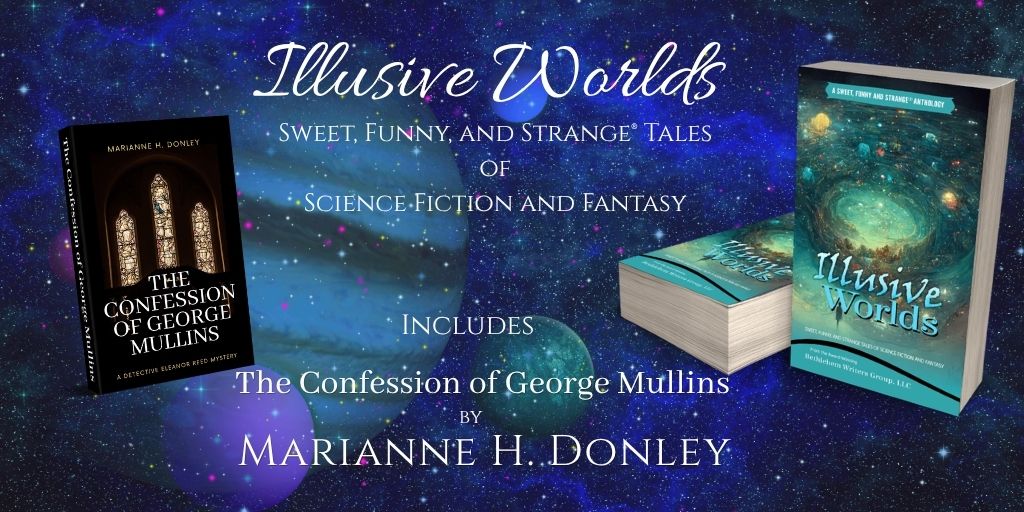
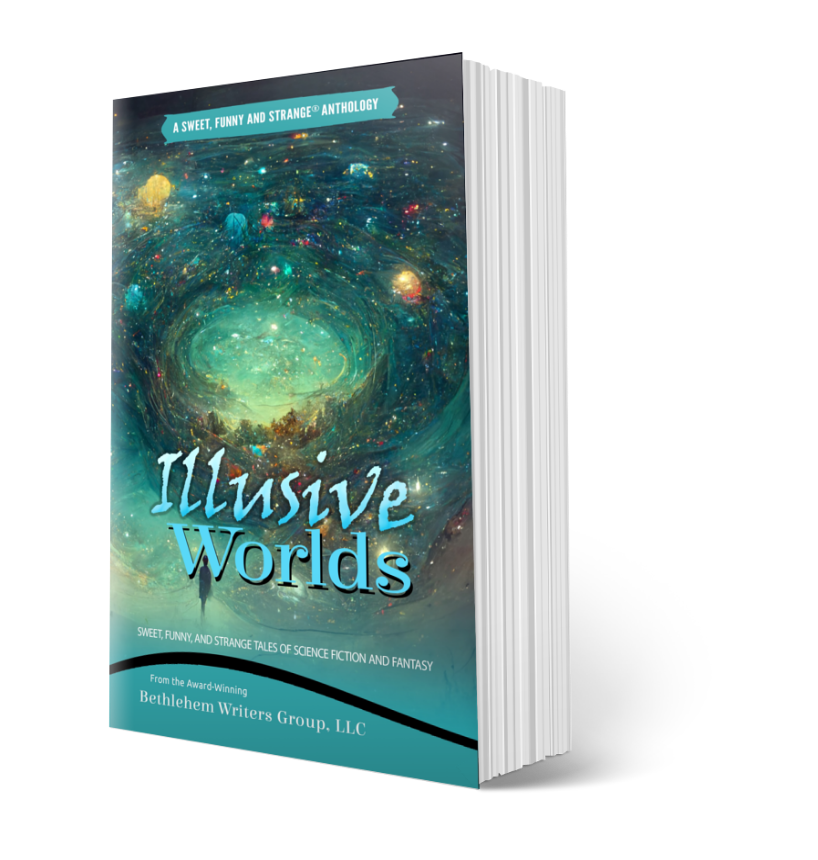
Illusive Worlds, Bethlehem Writers Group, LLC’s 9th anthology in the series Sweet, Funny, and Strange® Tales is available for preorder—both the print version and the ebook. The ebook is on sale for only 99¢ and will revert to the regular price of $3.99 on pub day—October 16, 2026.
Marianne’s short story, “The Confession of George Mullins,” deals with a nasty old man who has decided murdering his wife of sixty years is a great way to get “the state” to put him in jail and cater to his every wish—starting with his breakfast order of two eggs over easy, crisp bacon, hash browns and toast with tons of butter. Unfortunately for George, Detective Eleanor Reed and the ghosts of Mrs. Virtue and Uncle Walt are on the case, so he may learn to be careful for what he wishes.
About Illusive Worlds
Enter our worlds of imagination!
In this ninth “Sweet, Funny, and Strange”® anthology from the multiple award-winning authors of the Bethlehem Writers Group, LLC, we explore everything from faraway galaxies to the vagaries of the human mind.
Our stories include ventures into the supernatural, meeting aliens and witches, experimenting in time travel, and encountering technology that is sometimes benign but at other times menacing. The blurred lines between human and machine, life and death, or illusion and reality have provided our authors more than sufficient inspiration to create myriad visions of science fiction and fantasy to pique your curiosity, spark your sense of humor, sometimes horrify you a bit, and occasionally bring delight.
In addition to tales from BWG’s inventive minds, we are excited to bring you six prize-winning stories from our 2025 and 2026 Short Story Award competitions. We know these authors will become some of your favorites—just as they have for us.
So please join us in our illusive worlds. We’re very happy to have you along for the ride.






Anthologies with more of Marianne’s Stories
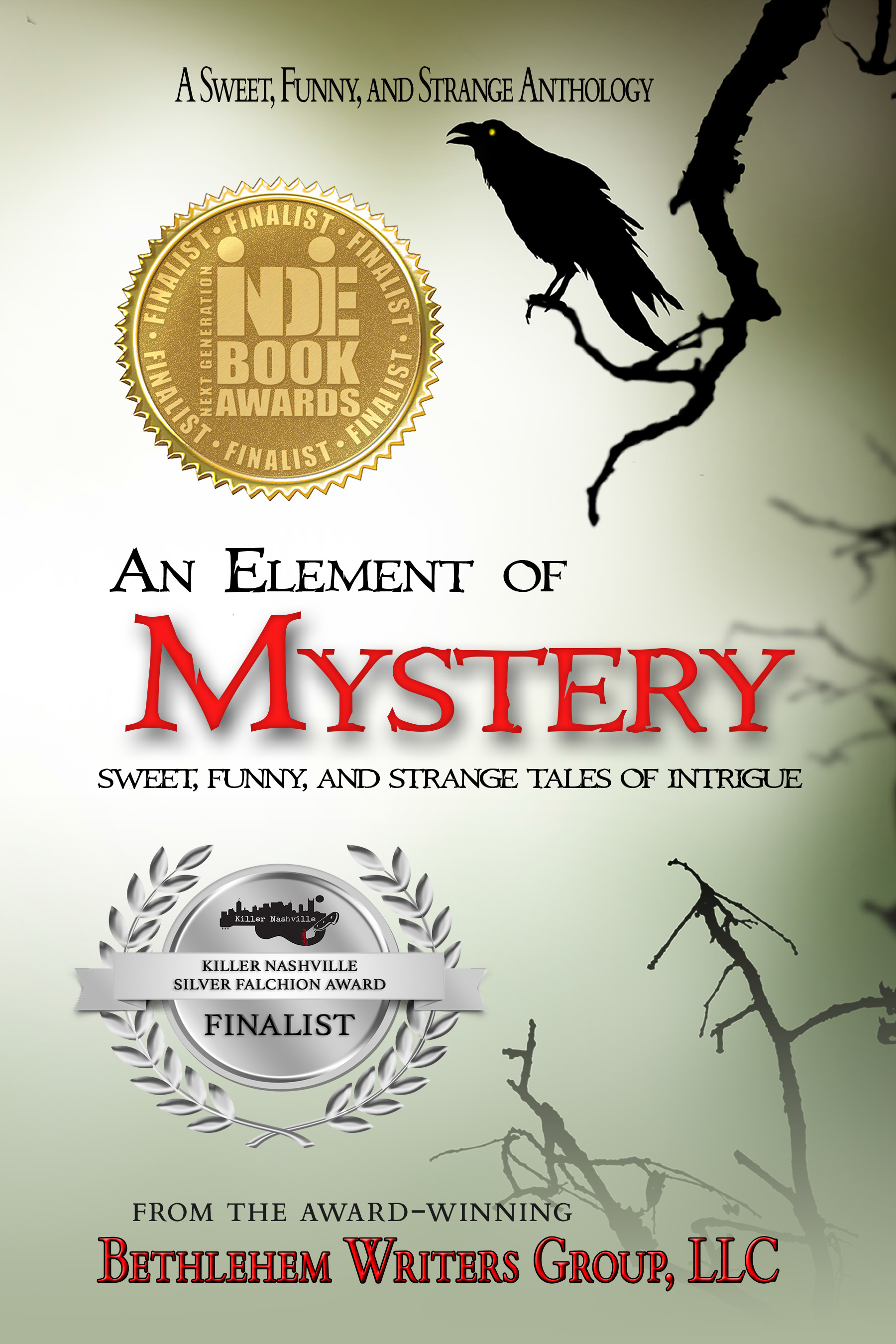

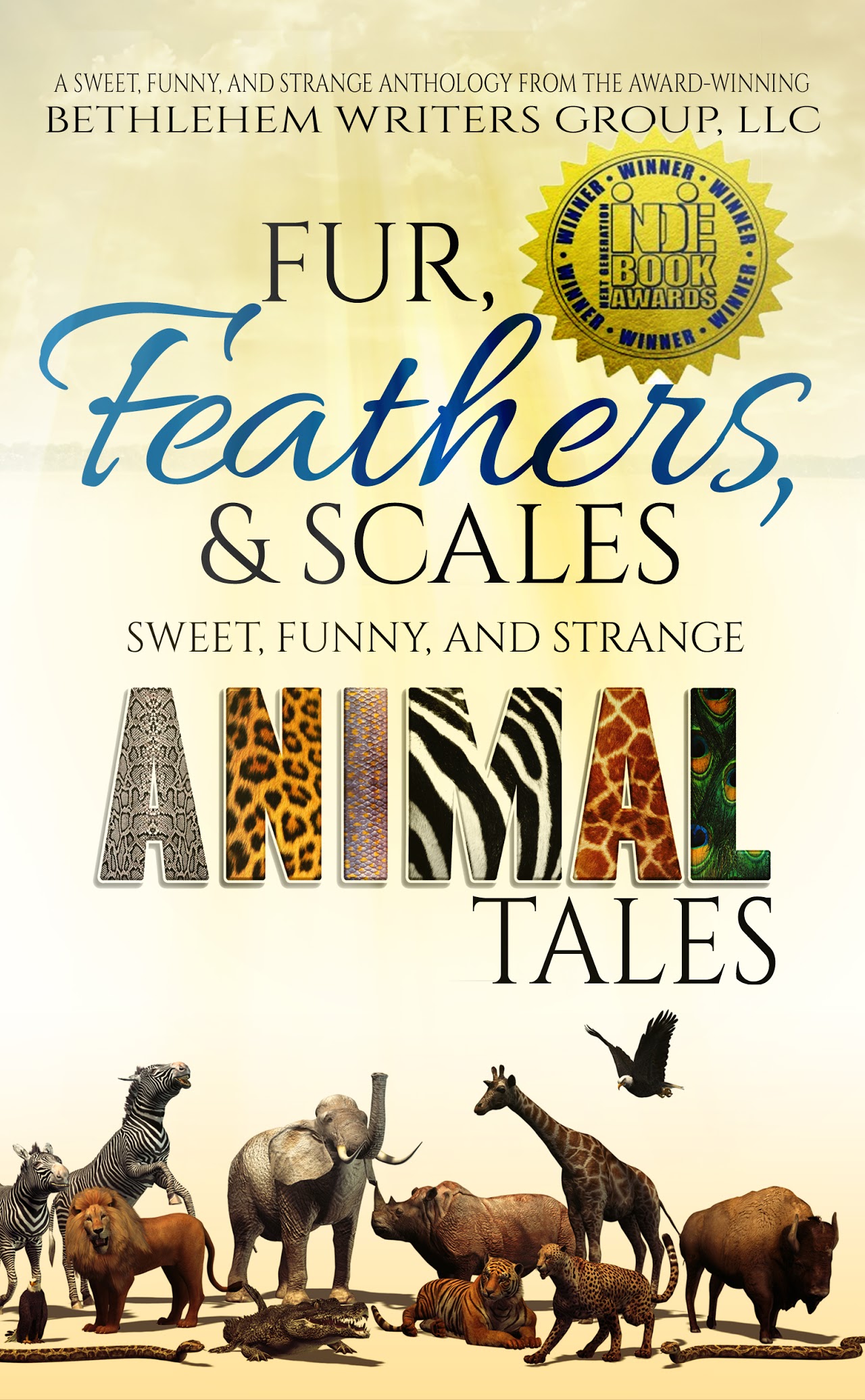


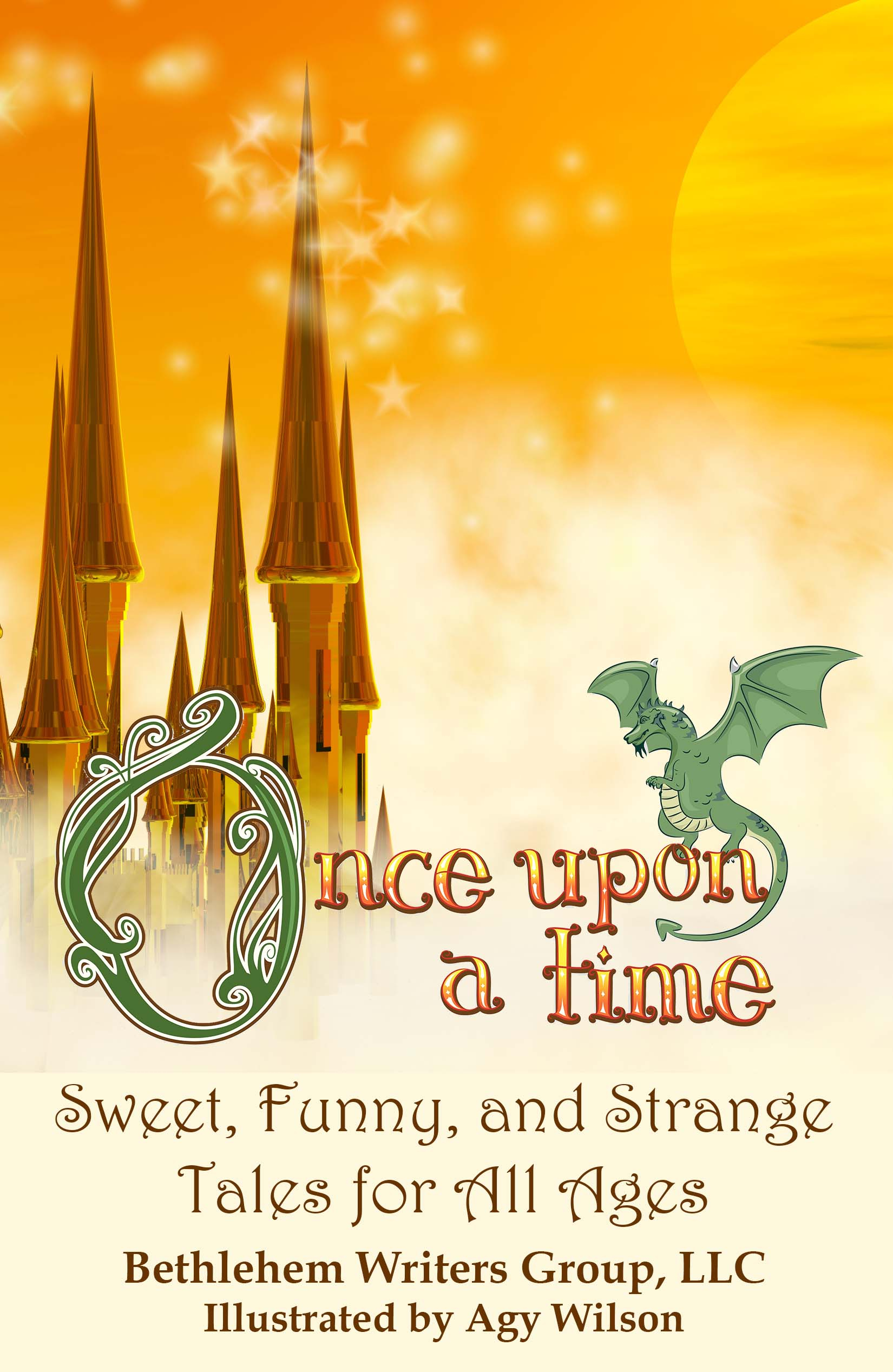

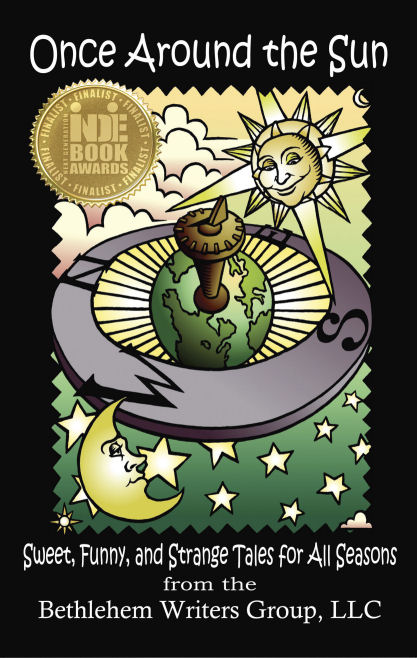
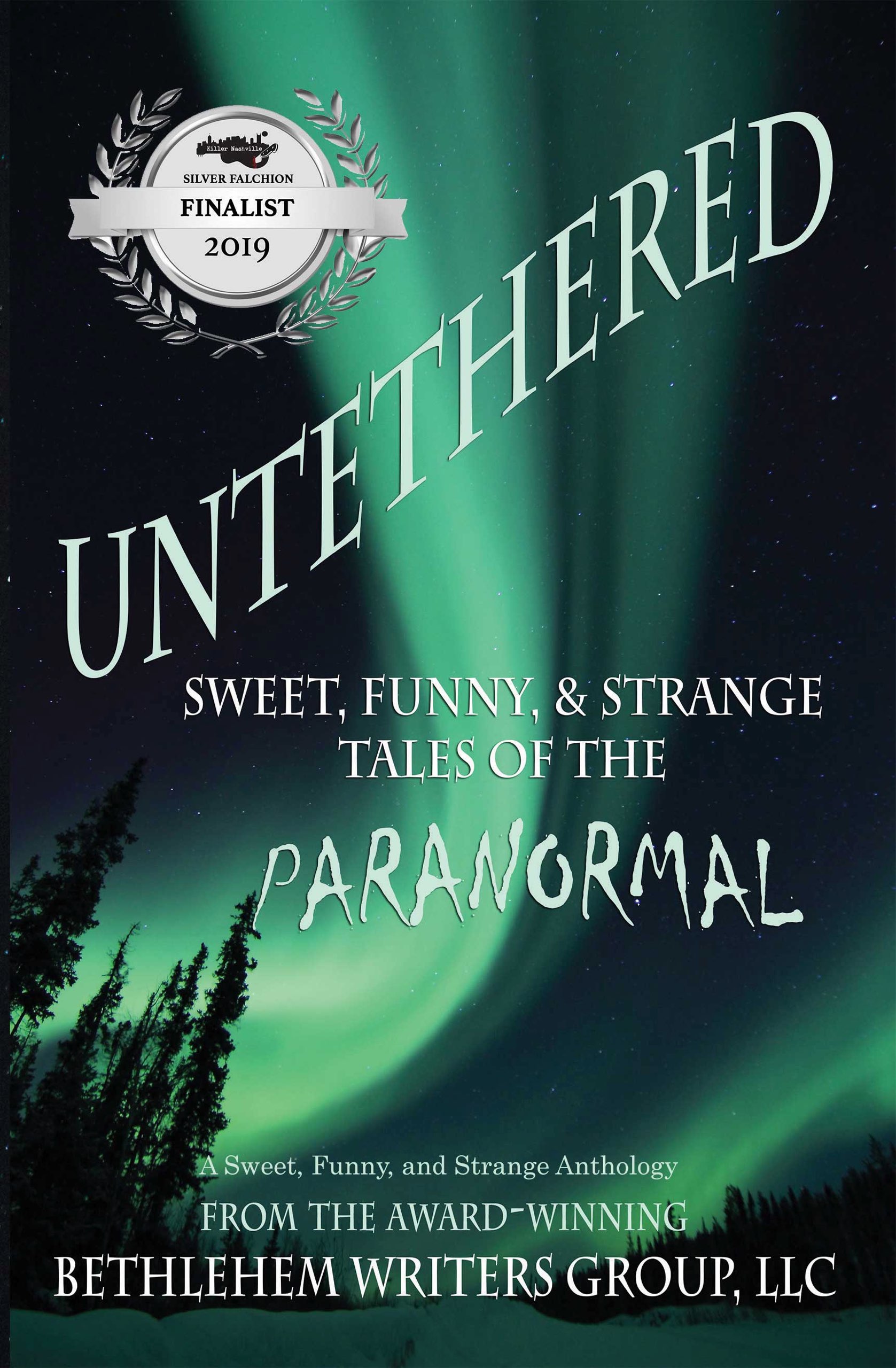
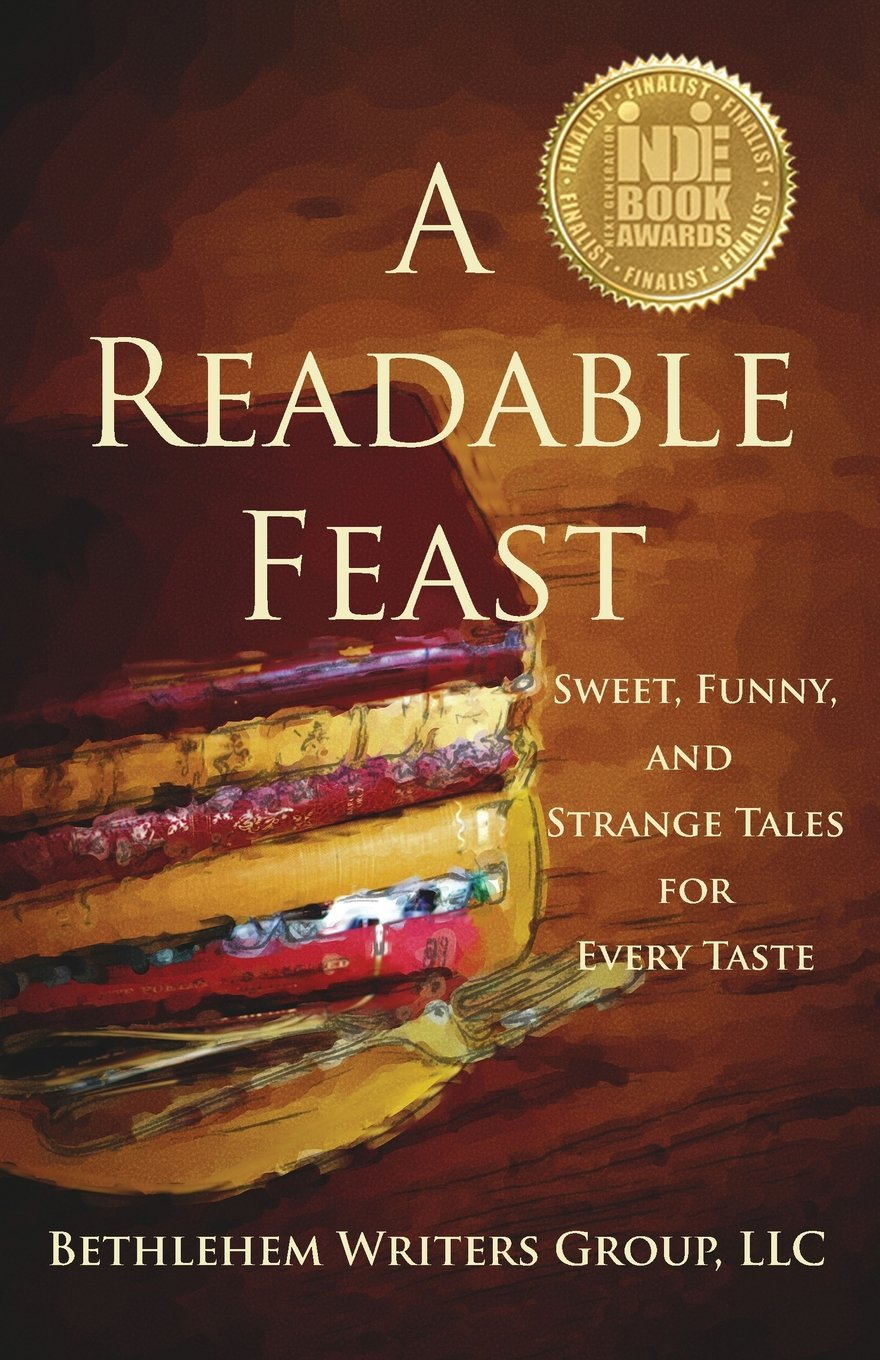




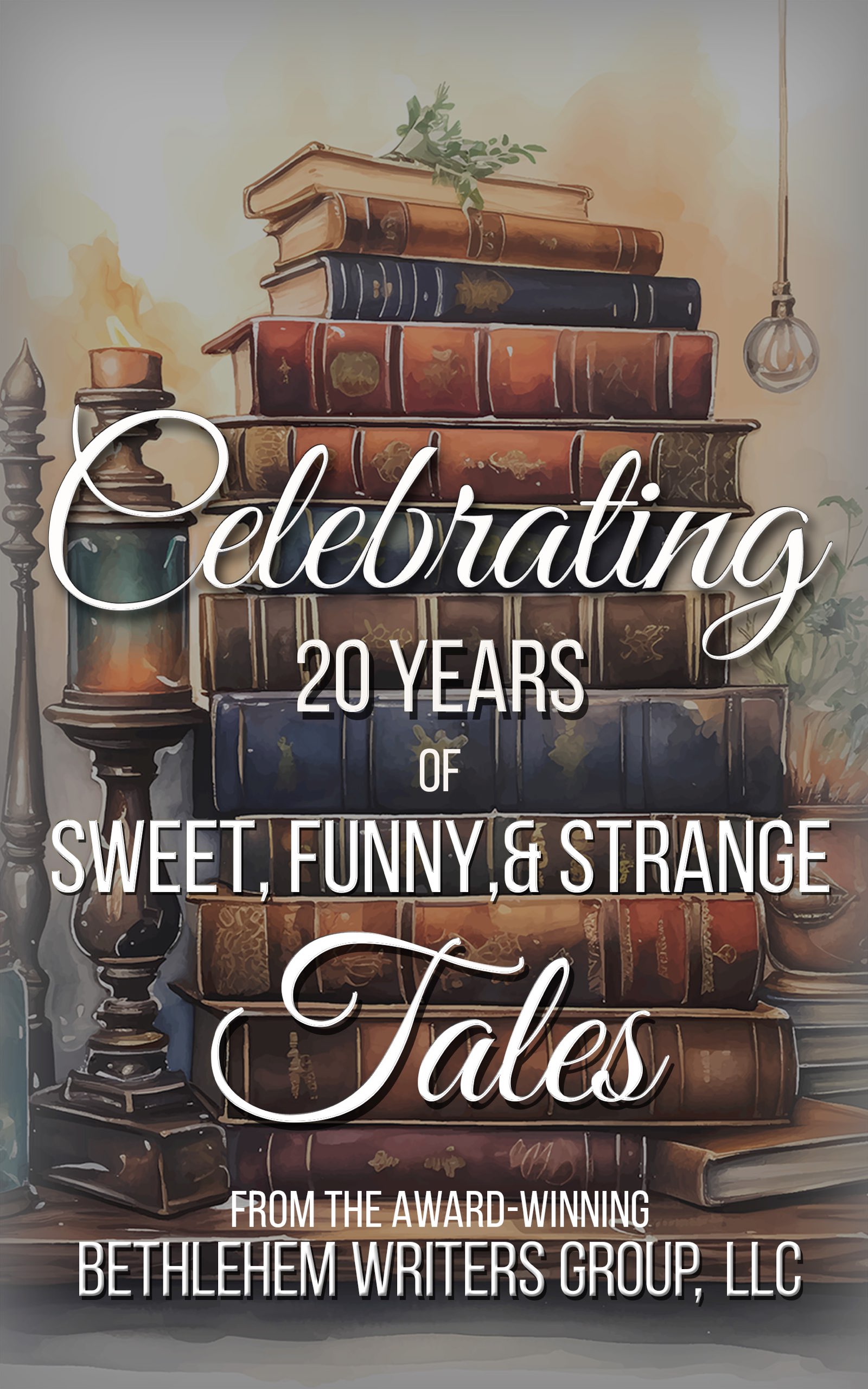
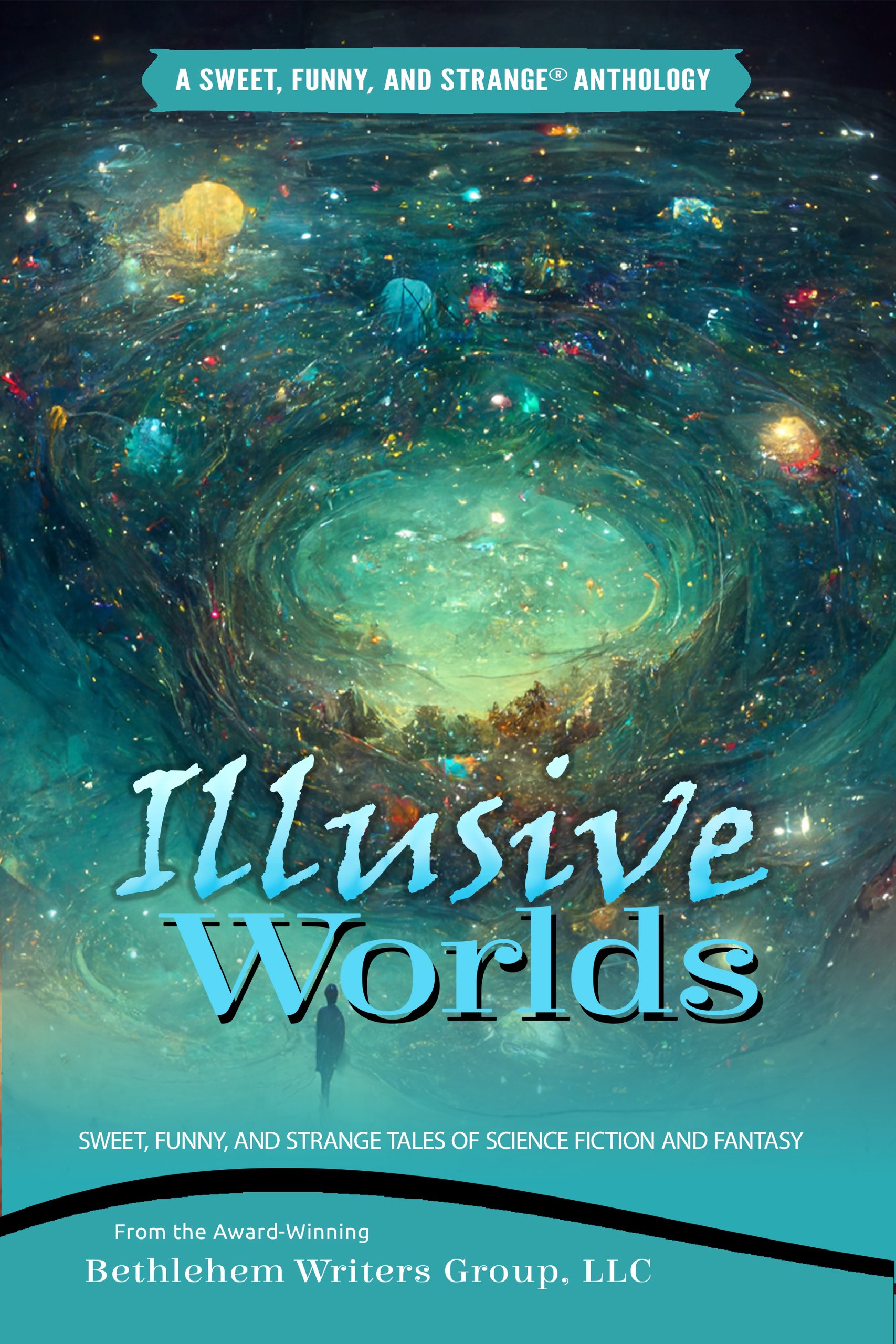
**Free Book Alert** Totally Folked is Totally Free
October 1, 2026 by marianne h donley in category Apples & Oranges by Marianne H. Donley, Spotlight tagged as Book Sale, free, Friends to Lovers, Penny Reid, romantic comedy, Totally Folked
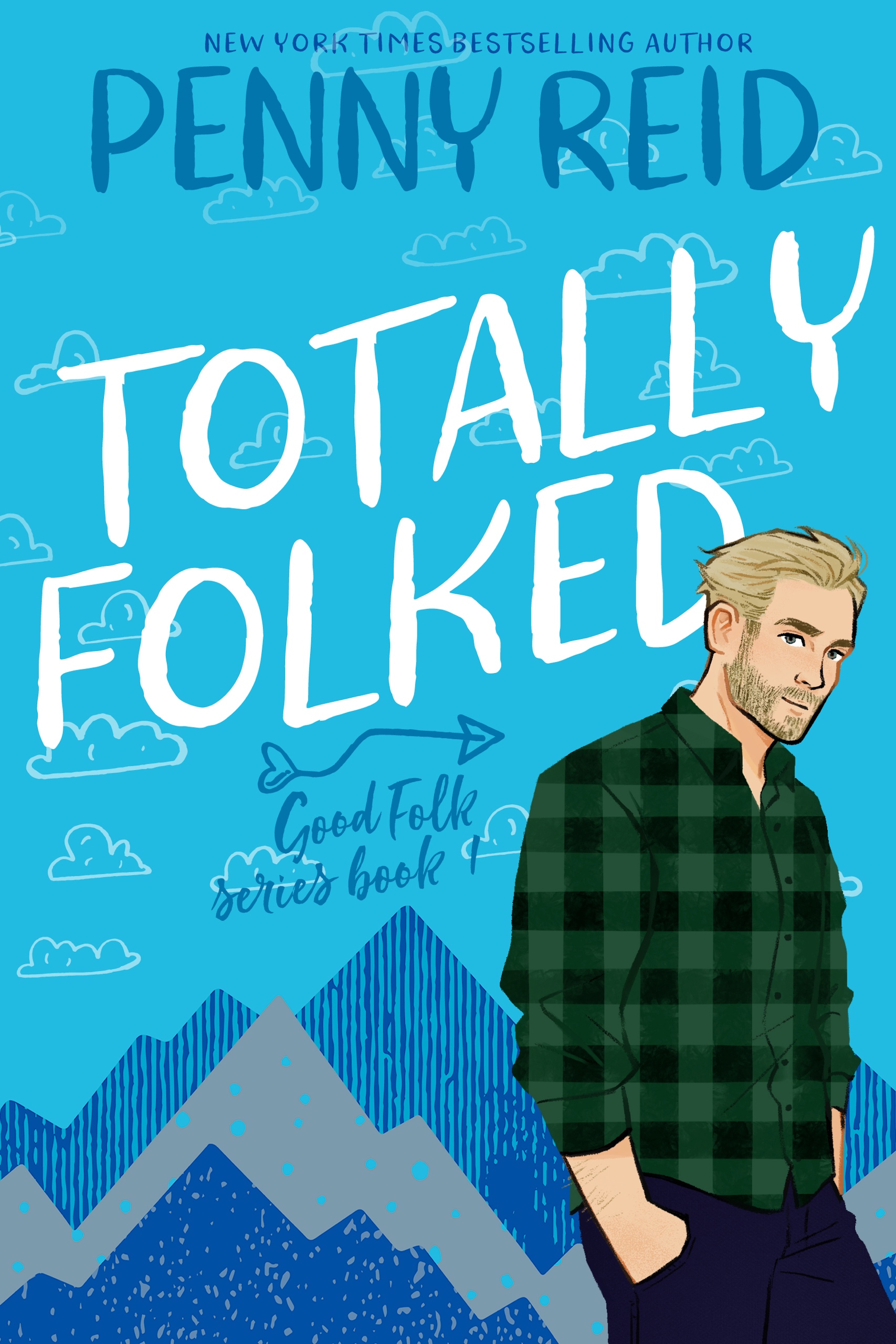
TOTALLY FOLKED is a standalone, contemporary romantic comedy novel and book #1 in the Good Folk: Modern Folktales series.
★★Grab your copy TODAY!★★

💙 Free eBook Alert! 💙
Totally Folked by New York Times Bestseller Penny Reid is F R E E for a limited time only! If you’re looking for your next cozy, small-town romantic comedy for Fall, this is it! 🍂
★★Grab your copy TODAY!★★
★★Blurb★★
Jackson James follows the rules. He has to. He’s a sheriff’s deputy in a super small town with a super big personality. However, strict adherence to the law during the day has been enjoyably balanced by rakish rules at night. Jackson, typically happy to protect and serve (and serve, and serve), starts questioning the value of wayward evenings when getting laid starts to feel more like being waylaid. Could it be that Green Valley’s most eligible—and notorious—bachelor longs for something (and someone) real?
Mega movie star Raquel Ezra follows only one rule: always leave them wanting more. Studio execs, reporters, audiences, fans, lovers—no one can get enough of the smart, savvy, and sexy bombshell. But when “generous offers” begin to feel more like excessive demands, years of always leaving has the elusive starlet longing for something (and perhaps someone) lasting.
When Raquel abruptly returns to the quirky Tennessee hamlet, her path crosses with the delectable deputy with whom she spent one unforgettable night. Unfortunately, scandal and intrigue soon follow. Raquel and Jackson must decide which is more important: following their rules? Or, at long last, finding something real.
‘Totally Folked’ is the first book in the Good Folk series and is a full-length, small-town, contemporary romantic comedy novel.
Other Books by Penny Reid

Featured Books
HOLIDAY HOME RUN
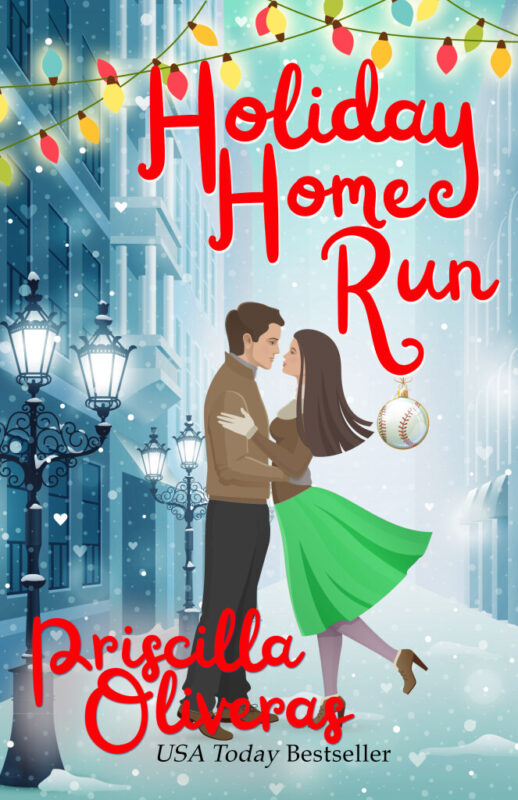
She’s focused on organizing the best holiday event the youth center has ever seen, not on romance. But Ben…he’s got a game plan for them that includes both.
More info →