Creating My First Reader Magnet
September 12, 2026 by Denise M. Colby in category The Writing Journey by Denise Colby tagged as Denise M. Colby, Free Book, Marketing, reader magnetOne of the goals I set for myself this year was to write my first reader magnet. With my first set of deadlines now fulfilled, I knew this was a must. Plus I wanted something to thank all the readers who have been so supportive and encouraging to this newly published author.

I had to consider what I should write. I had some ideas, but I didn’t want to use anything that could be a full novel in my series. At a conference last year, in one of the sessions, there was a suggestion to find something to introduce your series. And with that prompt, an idea took root that would fit nicely in my Best-laid Plans series.
What my reader magnet is about
In my very first book, I mention how there was a teacher that came before Olivia. But she was swept off her feet before even stepping foot in the one-room schoolhouse. And because of that, Mayor Martin and the school board had created a whole new set of rules going forward for the town of Washton when Olivia arrived.
So before Olivia set foot in Washton, there was Tilly Johnson. She was on her way to Washton as that first teacher. But none of those plans turned out. She may or may not have been swept off her feet. I’ll let you decide. But Grant, the hero in the story, might’ve been. Just a little bit. Especially after he offered a marriage in name only. But that all came after they ate ice cream.
How to get my first reader magnet
To receive my first 8-chapter novelette, click on the book cover. You may download the book when you sign up for my newsletter (but you can unsubscribe at any time).

An Unplanned Marriage Proposal
Two strangers. A marriage of convenience. An Unexpected love.
Tilly Johnson has only ever wanted one thing—to teach. Wishing to make a difference in her own one-room schoolhouse, she crosses the country to California to follow her dream.
Railroad detective Grant Stone has purposely built his life on staying detached for reasons he can’t talk about. But he won’t sit by and watch when the stranded young woman whose name is on everyone’s lips needs assistance. Except the desire to protect her reputation leads to a marriage proposal he never intended to make…and a wife he never planned on wanting.
As feelings deepen and circumstances threaten to pull them in different directions, Tilly must decide whether to keep chasing the dream that brought her west—or embrace the unexpected future God has placed before her.
Perfect for readers who enjoy story tropes marriage of convenience, unexpected love, small town romance, protector hero.
A little bonus fun
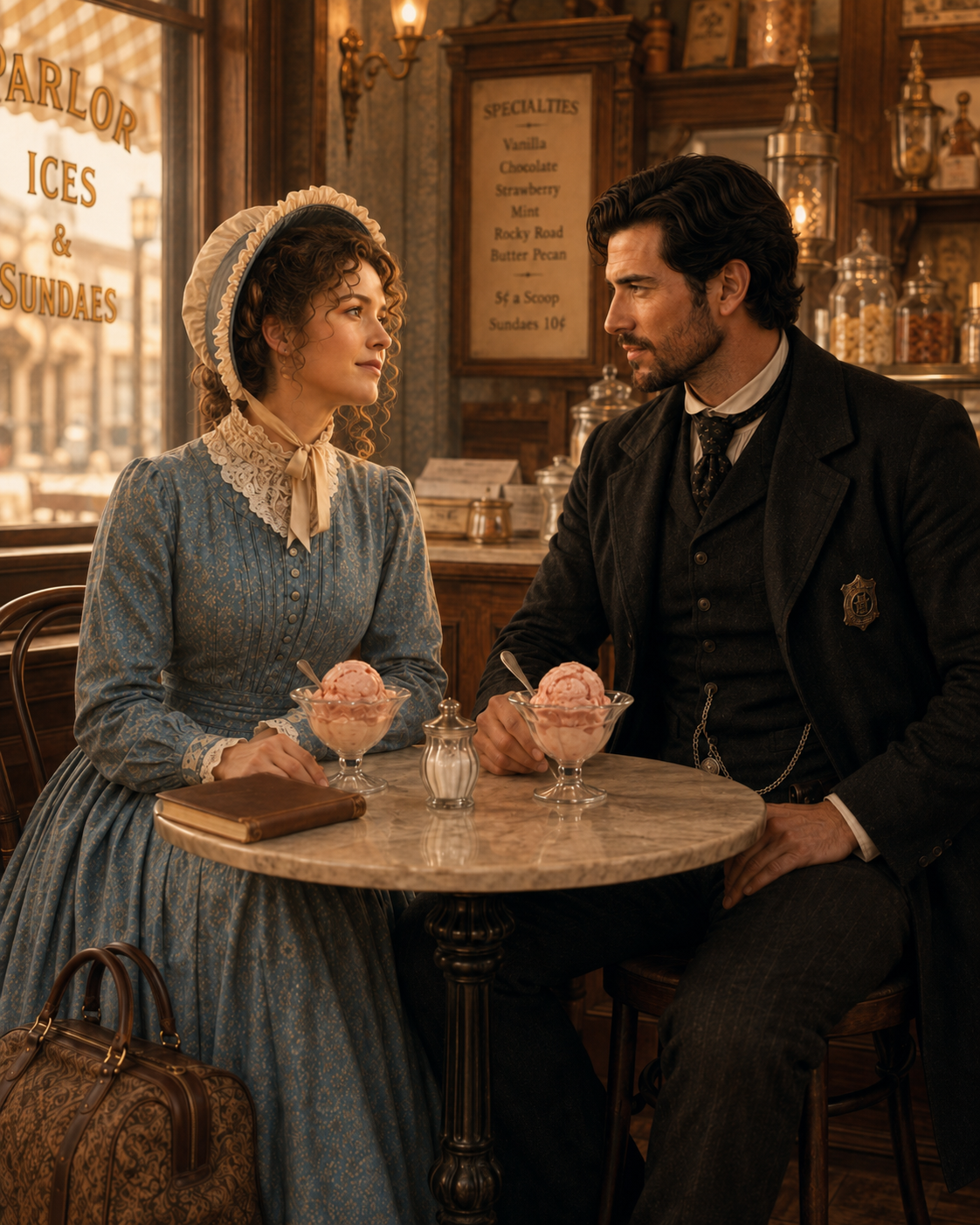
I had a lot of fun writing my first reader magnet. I loved creating Tilly and Grant and writing their story. I also enjoyed creating images for them. Especially this one in the ice cream parlor. I love ice cream and I finally had an opportunity to write a scene in one (since schoolmarms are not really allowed to be seen in them unescorted).
Denise loves to share about her writing journey (see all her posts here), including her word of the year (this year it is BALANCE), her debut novel When Plans Go Awry, and all the things in between. You can visit her at her website and blog at www.denisemcolby.com or on her facebook or instagram. Please note: some links include Amazon Associate links where Denise can earn from qualifying purchases.
Remembering…9/11 by Jina Bacarr
September 11, 2026 by Jina Bacarr in category Jina’s Book Chat, Writing tagged as 9/11, courage
where were you?
we all remember where we were that day, how we heard the news, the disbelief shattering our world, then the unbelievable media coverage no one could look away from…
i was still groggy from staying up into the wee hours to send off a book proposal to a publisher in San Francisco by email… unheard of in those days. Nobody took email queries but this publisher did.
what’s strange is that if i had waited to ‘give it a second look’ the next day, that day being September 11, 2001, i never would have sent it. it just wouldn’t have felt ‘right’.
what’s also strange is i was involved around that time in putting on a play i wrote for a church group in Malibu. Our theatre group was my rock of faith and compassion and hope during those days. it got me through that difficult time… going to rehearsals, rewriting, working with the producer, director and the actors… a solid group of talented people i will always cherish knowing.
the play festival opened in November 2001, a highlight of my life.
even though our hearts were broken, we did what we had to… to keep the light shining… and bring hope and courage to everyone we could with our stories and plays.
in case you’re wondering, my nonfiction book proposal was accepted and the book was published.
and finally, i decided to forgeo capital letters for this post… it seemed right somehow to keep it low key… out of respect. we all still feel the pain of that day, but knowing we’re stronger because we did carry on.
Jina
Jina Bacarr finished her edits finally for her upcoming Paris WW2 novel ‘Flight of the Stolen Children‘ and her editor said they were ‘marvellous’. giving thanks…
Menopause in Writers by Kitty Bucholtz
September 9, 2026 by Kitty Bucholtz in category It's Worth It by Kitty Bucholtz tagged as Kitty Bucholtz, menopause, Perimenopause, writing
My struggles with perimenopause and menopause have been crushingly difficult. One of the ways I choose to cope and process is to write about it and share the information I think will be helpful for others. I finally got the first chapter written and posted! Working title, Encouragement for Writers in Perimenopause. You can read it on my Substack or on my blog, whichever is easiest for you.
One of the helpful resources I want to share is the documentary series Balance. Two women filmmakers go looking for answers to their own questions and interview some of the top menopause specialists in the world. There are several ways/places to watch the 4-episode series including for free on Plex and Vimeo as well as on Amazon Prime and Apple TV. Scroll down this page to find which services you can use to watch it depending on what country you’re in.
Information is powerful for change, and I think you’ll find it’s worth it to stay informed, no matter who you are. I hope this helps.
Dianna Sinovic, Featured Author
September 1, 2026 by Dianna Sinovic in category Featured Author of the Month tagged as Dianna Sinovic, Featured author, Scream of the Silent Sun
Author of the Month: Dianna Sinovic

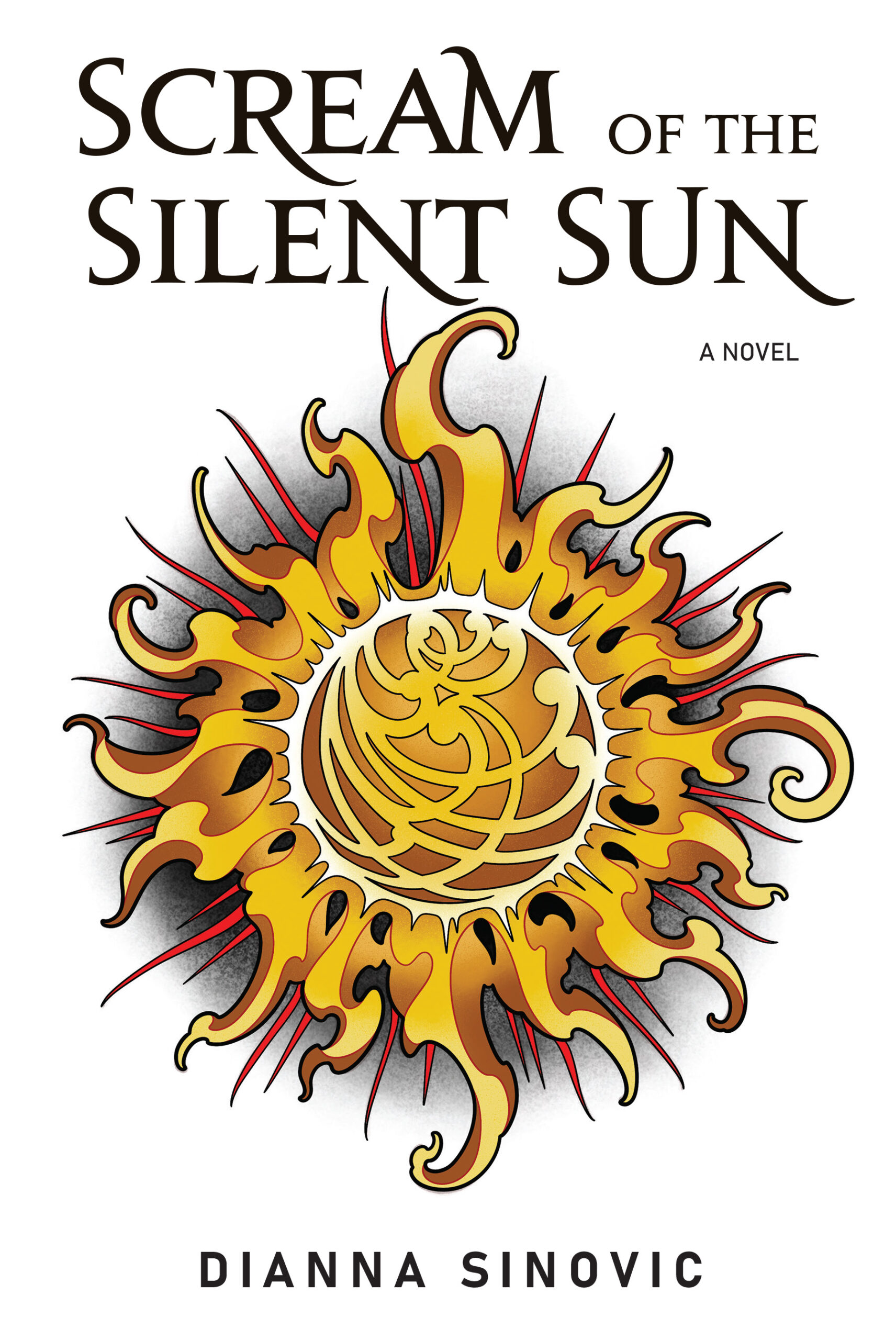
Born and raised in the Midwest, Dianna has also lived in three other quadrants of the U.S. She writes short stories, poetry and novels. Her full-length novel, Scream of the Silent Sun, was a finalist in the 2026 Next Generation Indie Book Awards for first novel.
She is a member of Sisters in Crime, Horror Writers Association, The American Medical Writers Association, and The Bethlehem Writers Group, LLC.
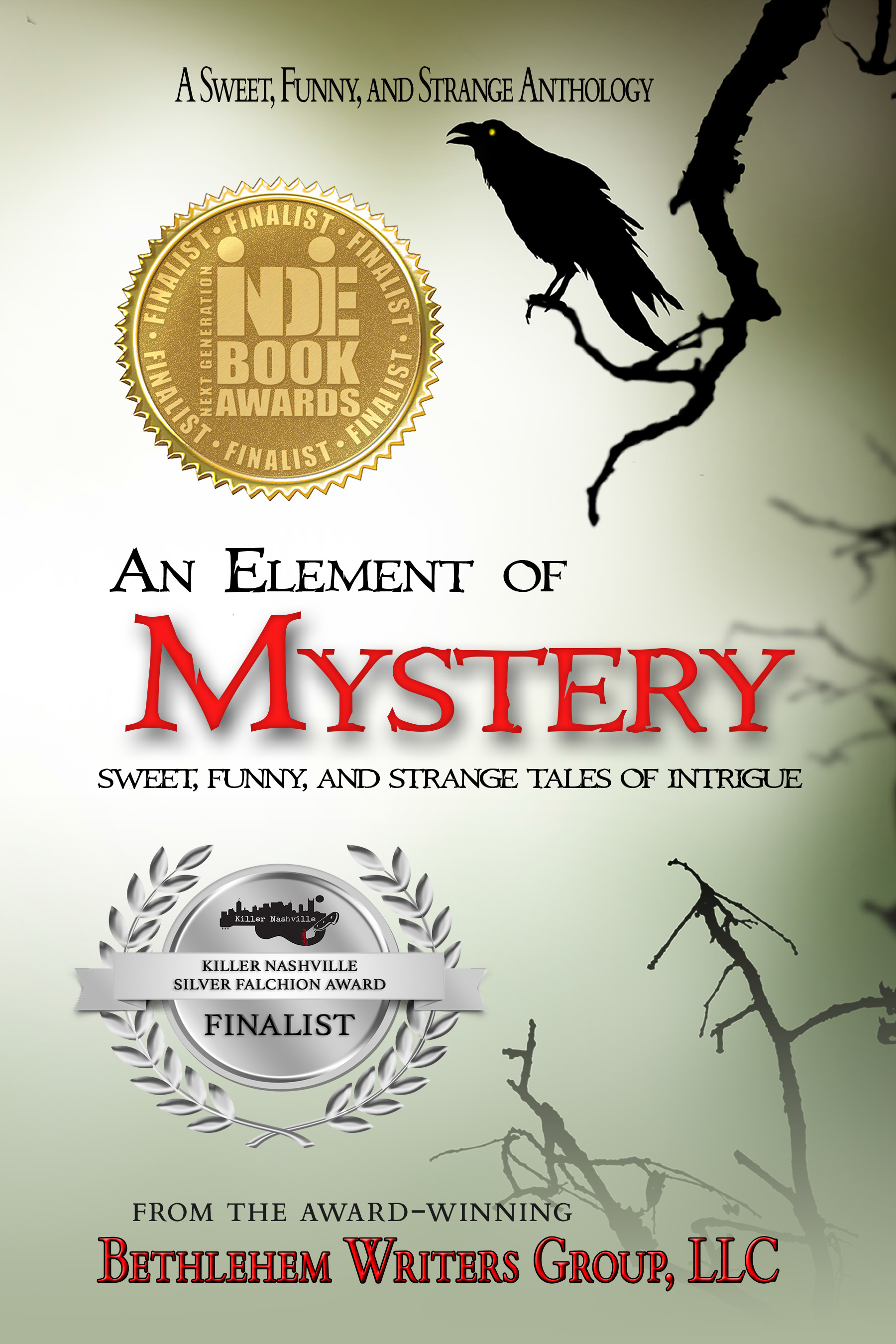
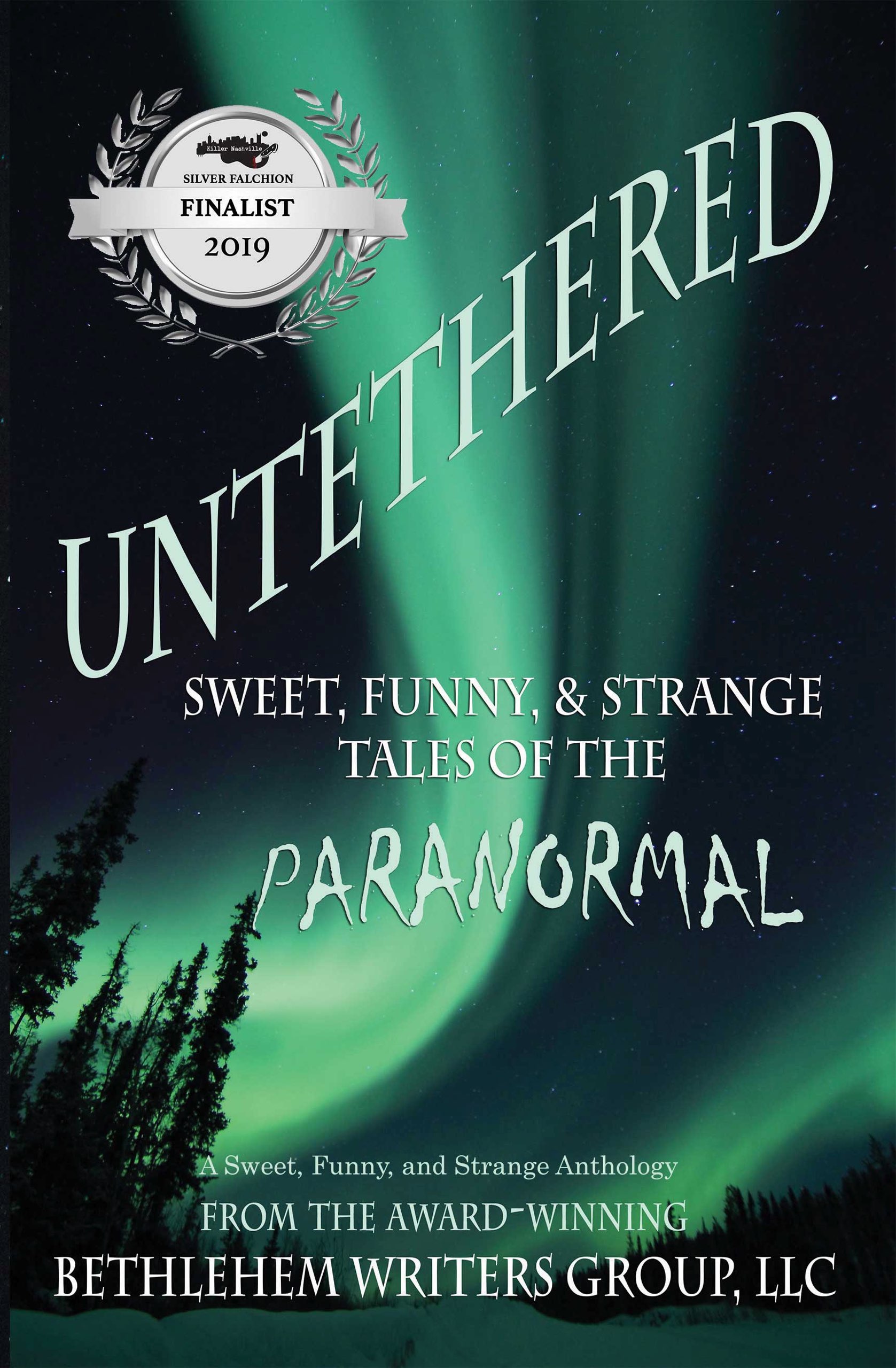
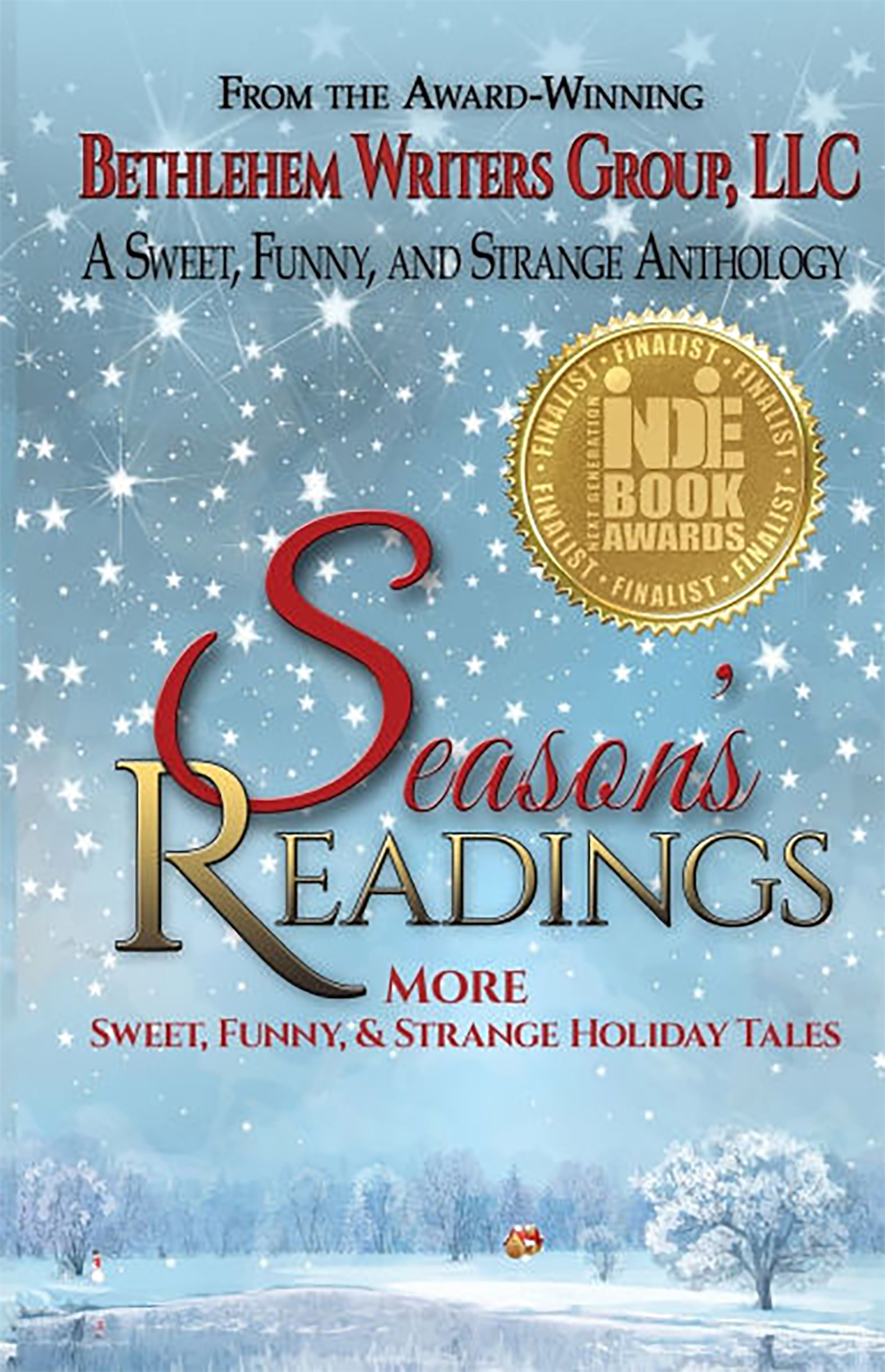
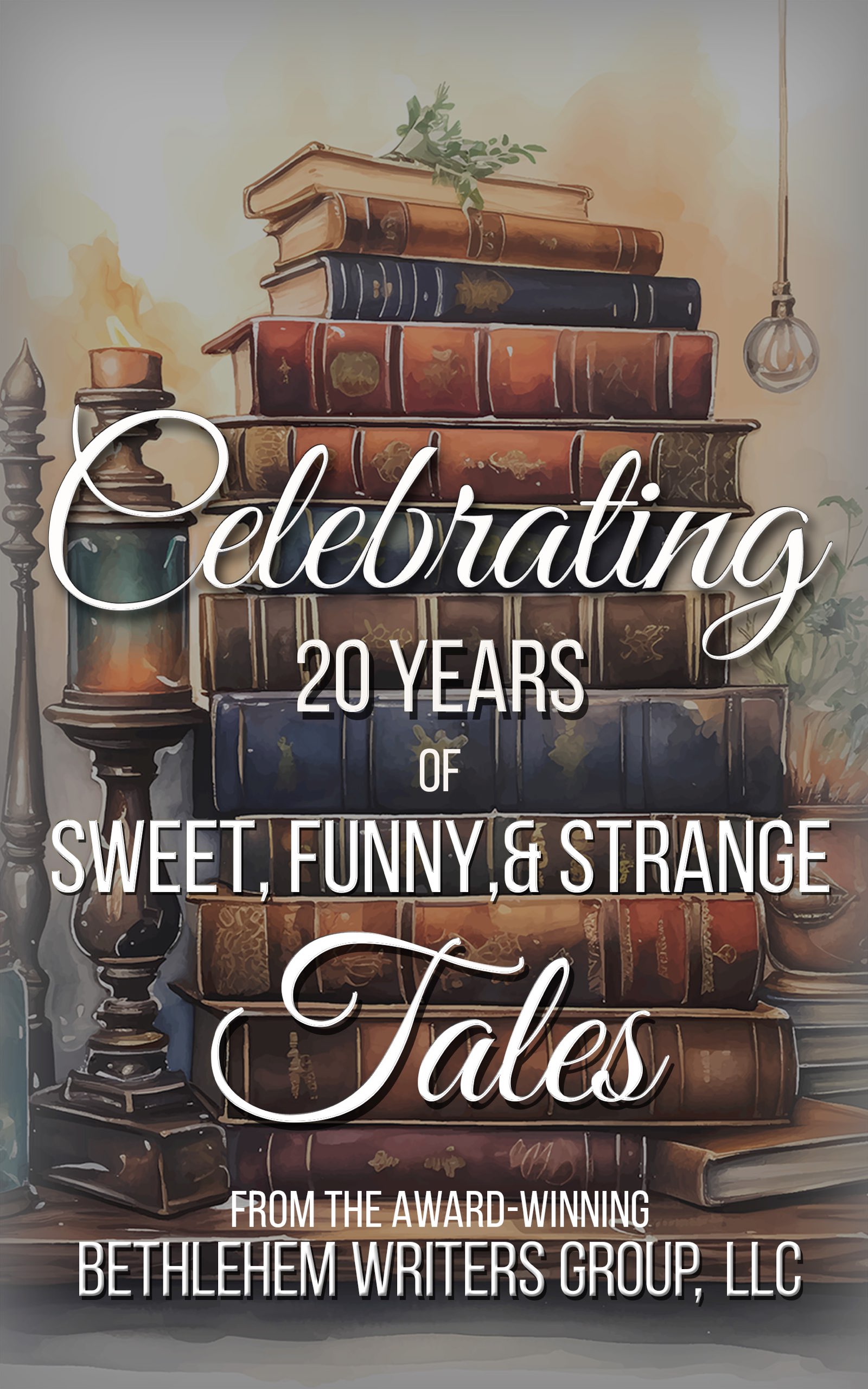
Dianna helped edit Celebrating: 20 Years of Sweet, Funny, and Strange Tales which includes her story, “Tommy.” She is a contributing author in the last four anthologies from The Bethlehem Writers Group, Season’s Readings: More Sweet, Funny, and Strange Holiday Tales, An Element of Mystery: Sweet, Funny and Strange Tales of Intrigue, Fur, Feathers, and Scales, Sweet, Funny Animal Tales and Untethered, Sweet, Funny & Strange Tales of the Paranormal. In addition to being Chief Editor of the Bethlehem Writers Roundtable ezine, she also contributes stories and articles.
Since writing and editing is clearly not enough work, Dianna is also a Book Coach. You can learn more about that on her website: https://dianna-sinovic.com/.
Dianna has a regular column here on A Slice of Orange, titled Quill and Moss, in which she frequently includes short fiction.
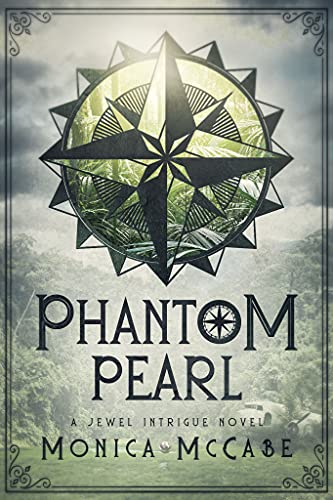
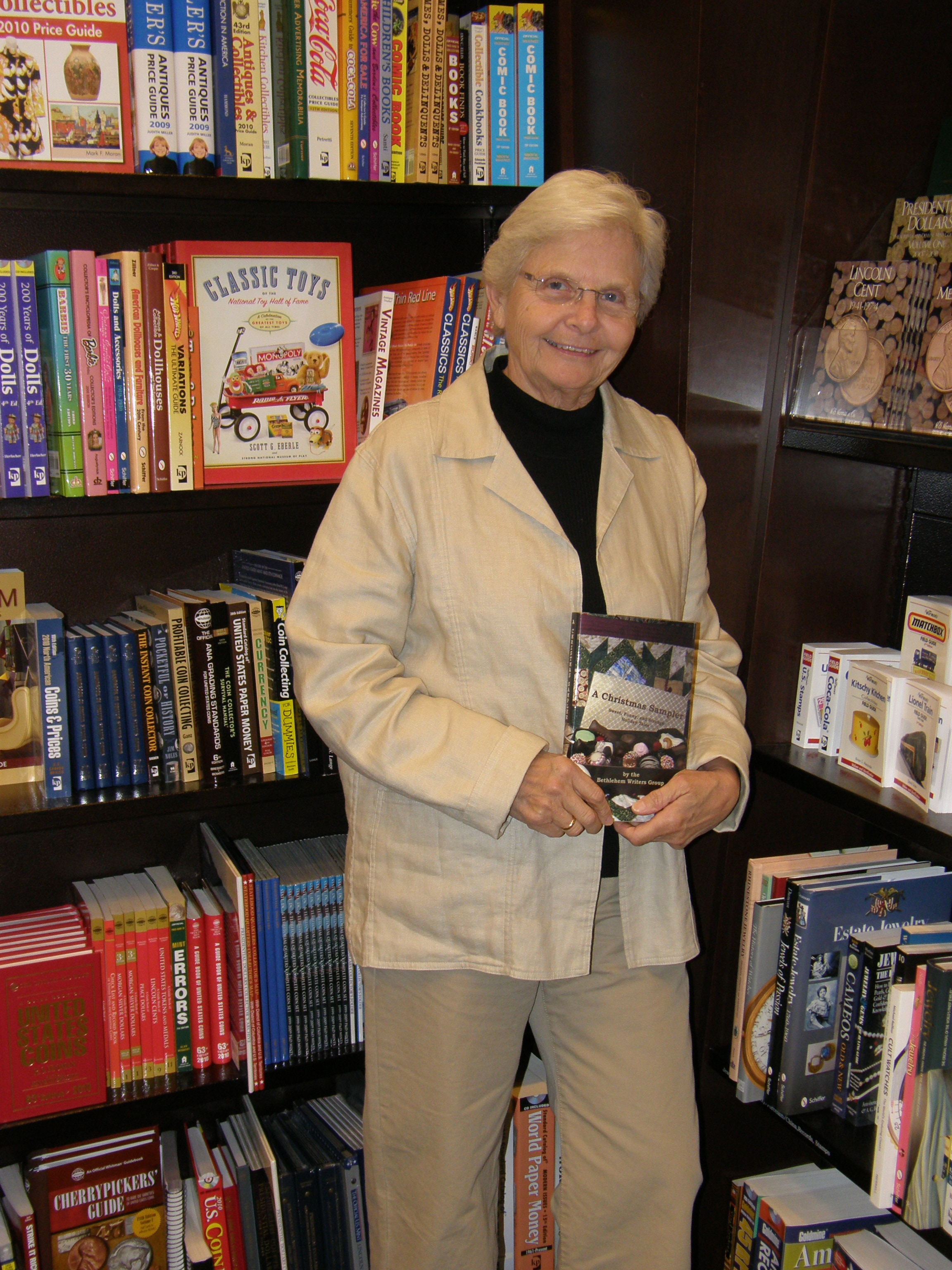
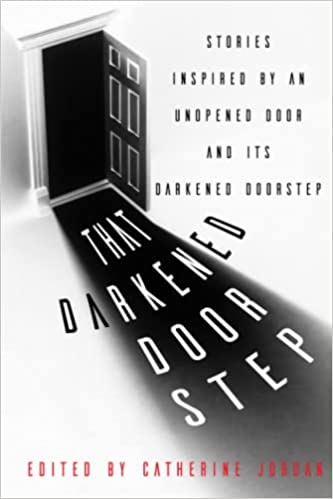
Dianna Sinovic’s novel and some of thebooks that contain her short stories.












Fireside Theater
August 30, 2026 by Dianna Sinovic in category Quill and Moss by Dianna Sinovic, Writing tagged as firepit, romantic breakup, short fiction, writing
The flames danced in the fire pit, inviting Dulci to relax, but the drift of smoke rising into the night sky only darkened her mood. Cora, who knew her like any best friend should, was trying to help. But some things just hurt too bad.

“Tell me again what he did,” Cora prompted. “Aimee hasn’t heard.” She held up her glass of pinot noir as if inspecting it for the details Dulci was about to share.
Aimee, the third member of their friend trio, sat across the fire. For once, she was silent, staring at her own glass.
Dulci shifted in her seat. “I didn’t see it coming.”
“Obviously,” Cora said, but kindly. “You and Rad were the ideal we all looked up to. Two people ecstatically in love, forever.” She swirled her wine. “Paul and I were envious. Not that we’re drifting apart or anything. You made it look easy.”
“Six years,” Dulci said, staring at the flames. “And the bastard couldn’t even tell me to my face.” The smoke shifted abruptly toward her, bringing instant tears. “Just a text.” I’ve met someone else. As if their past happiness meant nothing. “I love him.” She sniffed, her head spinning from the alcohol. “I want him back, but I don’t know how to make that happen.”
“You won’t.” Aimee’s words stung like a slap. She added immediately, “I mean, once a guy’s decided to end it, he’s done with you. There’s no use trying to win him back.”
Cora leaned toward Dulci. “I know you’re suffering, but Aimee’s right.”
Aimee, single again after two sizzling marriages that ended in meltdowns.
“Would you even want him back, given how he fucking dumped you?”
Point taken. Revenge, then. Rad trussed up while Dulci flailed him with a whip. Rad in chains kept in a dungeon only she knew about. Rad aflame in the fire pit, begging her for mercy.
She smiled. “Thanks. Somehow I just need to move on. Easier said than done, though.”
Her phone buzzed. Rad?
Hey, babe. Ready to roll?
What was this? Her jerk of an ex’s attempt at gallows humor?
Almost immediately, Aimee’s phone buzzed. She looked up at Dulci, her panicked gaze registering the truth for Dulci. The message hadn’t been meant for her.
“You?” she said, rising from her chair. “You’re the one?”
Cora grabbed Dulci in a firm embrace to stop her from sprinting around the pit. Their dropped wine glasses shattered on the stones around the fire, and Aimee vanished into the darkness beyond them.
Dianna’s Books
Featured Books





THE OBLIVIOUS BILLIONAIRE

How can you know where you're going if you can't remember where you've been?
More info →
IN THE SHADOW OF THE VOLCANO

One Ex-Intelligence Official's Journey through Slums, Prisons, and Leper Colonies to the Heart of Latin America
More info →